Moving from Denver to Anchorage: What Colorado Relocators Should Know

If you are thinking about moving from Denver to Anchorage, the biggest thing to understand is that Anchorage is not a colder, smaller version of Denver.

And honestly, that is probably the point.

I lived in Denver proper in 2020 and 2021, in Whittier, while working long hours from home and using the city as both a real city and an outdoor basecamp. I loved it. Denver felt convenient, social, sunny, and close enough to the mountains that I could drive to Estes Park for a weekend hike, sometimes more than once in the same weekend.
I did not leave Denver because I was frustrated with it. I left because my office reopened in New York after COVID.

That matters, because this article is not here to make Denver look bad. Denver is popular for a reason. It gives people a strong mix of city life, restaurants, gyms, friends, sunshine, career opportunity, and mountain access.

Anchorage offers something different.

Anchorage is different. It is more remote, more seasonal, more practical, and more demanding. But for the right Colorado person, Anchorage can make outdoor life feel more immediate, more regular, and more woven into daily life.

I lived in Denver proper in 2020 and 2021, in Whittier, while working long hours from home and using the city as both a real city and an outdoor basecamp. I loved it. Denver felt convenient, social, sunny, and close enough to the mountains that I could drive to Estes Park for a weekend hike, sometimes more than once in the same weekend.
Denver gives you city convenience near the mountains. Anchorage gives you a city where the outdoors starts becoming part of your normal weekly life.

Denver and Anchorage Both Attract Outdoorsy People, but They Are Not the Same Kind of Outdoorsy


Denver and Anchorage both attract people who care about the outdoors. That is one reason Colorado relocators often understand Anchorage faster than people coming from many other cities.

But the lifestyle is not the same.

In Denver, outdoor life often means finishing work, checking traffic, watching the weather, planning the drive, thinking about trailhead parking, and deciding whether the effort is worth it. It can be incredible. It can also be crowded, especially along the Front Range, on popular hikes, or on ski weekends.

In Anchorage, the outdoors is more immediate.

You can finish work and be on a trail, on skis, on a bike, by the water, or at the base of the Chugach very quickly. Chugach State Park alone includes almost half a million acres near Anchorage, which is part of why the city feels so unusually connected to wild land.

That does not mean Anchorage is always easier. Alaska outdoor life is often less marked, less curated, more weather-dependent, and more self-reliant. Some access points feel like local knowledge. Some adventures require more preparation. Sometimes you learn from friends, Facebook groups, Reddit threads, or simply by going with someone who has done it before.

That is one of the biggest differences between Colorado outdoorsy and Alaska outdoorsy.

Colorado outdoorsy can still be organized, social, well-marked, and relatively convenient. Alaska outdoorsy is often more practical, more ambitious, and more woven into the rest of life.

In a way, Alaska outdoorsy can feel like Colorado outdoorsy giving itself the means of its ambitions.

You do not just talk about wanting to get outside more. In Anchorage, the city is set up in a way that makes it easier to actually do it.

 
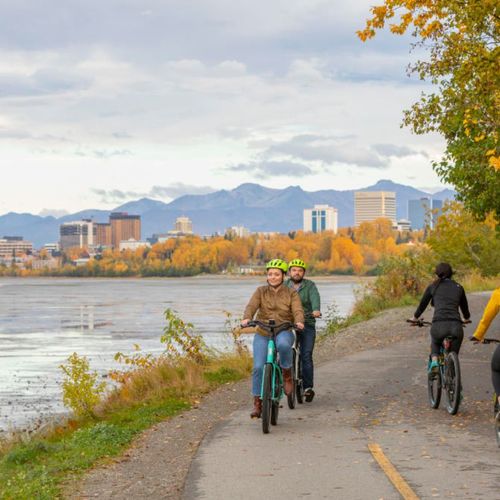
Outdoor trail near Anchorage for Colorado relocators comparing Denver and Alaska outdoor access

What Denver Does Better Than Anchorage


Denver is a great city. It is not hard to understand why people love it.

Compared with Anchorage, Denver has a more polished urban experience. It has more restaurants, more coffee shops, more gyms, more shopping, more services, more nightlife, more career options, and a larger social and dating pool.

It also has stronger travel connectivity. Denver International Airport is one of the major airport hubs in the United States, which makes domestic and international travel much easier than it is from Anchorage.

Denver also has better weather if your definition of better includes sunshine, milder winters, and less seasonal friction. Snow happens, but it often melts. Winter can feel crisp and bright instead of something you have to manage every day.

And while Denver is a large metro, it can still feel more human than New York, Los Angeles, or other larger cities. That was one of the things I loved about it. I could work long hours, have access to restaurants and gyms, meet people easily, and still escape toward the mountains on the weekend.

Anchorage does not replace that version of life one-for-one.

If what you love most is sunshine, dining variety, easy travel, polished neighborhoods, career mobility, and a broad social scene, Denver may still be the better fit.

That is not a knock on Anchorage. It is just the first honest filter.

What Anchorage Does Better Than Denver


Anchorage does outdoor access better.

Not in every category. Colorado has more major ski resorts, more après-ski culture, more established mountain towns, and a much more developed recreation infrastructure in many places.

But Anchorage makes outdoor life easier to use in daily life.

You do not need to drive two hours every time you want a meaningful outdoor experience. You do not need to sit in I-70 traffic to feel like you escaped the city. You do not need to reserve every good weekend months ahead to feel like you can camp, hike, ski, bike, paddle, or skate.

The city itself has trails, parks, lakes, ski routes, bike paths, wildlife, and mountain access built into its rhythm.

Then, once you expand the circle by one or two hours, the options open dramatically: Girdwood, Turnagain Arm, Portage, Hatcher Pass, the Kenai Peninsula, Talkeetna direction, and the road toward Denali. Anchorage is not just an outdoor city because of what sits inside city limits. It is also an outdoor city because of what calls you from just outside it.

That two-hour driving circle around Anchorage is one of the biggest differences from Denver.

In Colorado, two hours can get you to incredible places, but it can also mean traffic, crowds, timed entry, full trailheads, booked campsites, or ski traffic. In Anchorage, two hours can put you in a completely different landscape with far fewer people.

For many Colorado relocators, that is the part that changes everything.

The Big Outdoor Difference

Denver: incredible outdoor access, but often with more driving, planning, crowds, and weekend traffic.

Anchorage: outdoor access that starts inside the city and expands quickly into wild, varied landscapes.

The tradeoff: Alaska recreation can be less marked, less curated, more weather-dependent, and more self-reliant.

For many Colorado transplants, Anchorage does not make them love hiking, skiing, biking, skating, paddling, or camping more than they did in Colorado.

It simply makes those activities easier to do more often.

That is a major distinction. If your frustration in Denver was not the outdoors themselves, but the traffic, the planning, the crowds, the packed trailheads, or the feeling that you had to fight for access, Anchorage may feel like a release.

Weather and Seasons: Denver Sunshine vs Anchorage Seasonal Living


Denver winter and Anchorage winter are not the same thing.

Denver gets snow, cold days, and real winter moments, but the sun often returns quickly and the snow often melts. Anchorage winter is a full season that changes how you operate.

In Anchorage, snow can accumulate and stay. You think about heating, snow removal, driveway access, roof snow, ice dams, winter tires, remote start, plugging in a car in colder conditions, and what happens if you get stuck somewhere remote in winter weather.

You also think about daylight.

Coming from Colorado, where the sun is such a consistent part of life, Anchorage’s darker months can be a real adjustment. It is not just cold. It is darker, cloudier, snowier, and more demanding.

 
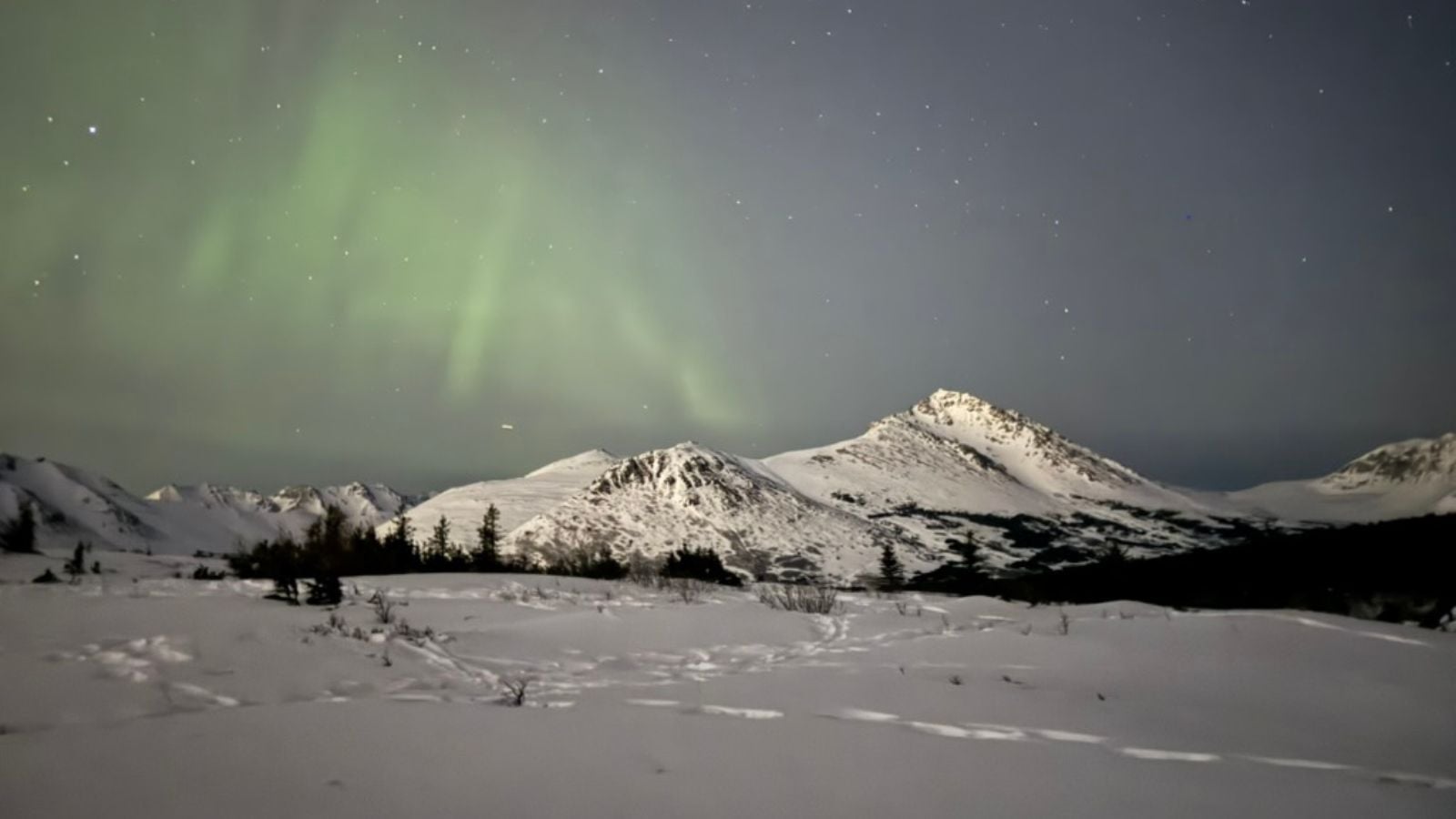
Anchorage winter outdoor scene for people moving from Denver to Alaska
 

The good news is that winter can also become one of the most beautiful parts of living here.

Anchorage in winter can feel playful. Lakes freeze and become places to skate. Trails turn into cross-country ski routes. Fat biking, downhill skiing, winter hiking, sauna nights, fireplace evenings, game nights, and quiet snowy mornings all become part of the rhythm.

The key is not to endure winter passively.

You need to build a winter life.

That means real gear, warm boots, merino base layers, quality gloves, proper outerwear, vitamin D, maybe a SAD lamp, intentional time outside, and people you can spend the season with. Some people may also need more support for seasonal depression, and there is nothing wrong with that.

Spring is another adjustment. Anchorage spring is not instantly cute. Breakup season can mean melting snow, mud, puddles, brown grass, and a slow return to green.

Summer, on the other hand, comes fast. It is bright, intense, active, and cooler than Denver. If you dislike Colorado heat, Anchorage summer can feel like a relief. You may still need a light jacket at night, but you are rarely dealing with the same sustained heat.

Fall is short but underrated. The foliage around Anchorage, Turnagain Arm, and the mountains can be stunning.

So yes, Denver has better weather if you want sunshine, convenience, and a milder year. But Anchorage has more immersive seasons. They ask more from you, but they also give the year more texture.

Cost of Living: Denver and Anchorage Are Expensive in Different Ways


One mistake people make when comparing Anchorage and Denver is assuming Anchorage must be cheaper because it is smaller and more remote.

That is not how it works.

Anchorage and Denver can feel surprisingly close in overall cost of living, but the money goes to different places.

Housing in Anchorage may be somewhat less expensive than in desirable central Denver neighborhoods, especially if you are comparing places like South Addition, Turnagain, Rogers Park, or Hillside to strong Denver neighborhoods that have moved into much higher price ranges.

But quality housing in Anchorage is still not cheap.

And Anchorage can feel more expensive in day-to-day life. Groceries, restaurants, drinks, furniture, shipping, gas, insurance, healthcare, gyms, and home maintenance can all surprise people coming from Colorado.

The state of Alaska does not have a state sales tax, though some local jurisdictions do have local sales taxes. Anchorage itself currently does not impose a general sales tax.

Alaska also has the Permanent Fund Dividend, but it should not be treated as a reason to move. The PFD varies by year, and while it can be helpful, it does not offset the broader cost difference for most households.

The bigger point is this: Anchorage has tax advantages, but it also has Alaska costs.

Those costs can include winter gear, heating, snow removal, car preparation, shipping limitations, roof maintenance, and higher prices for goods that have to travel a long way to get here.


Cost Differences Denver Movers Should Expect

Housing

Anchorage can be less expensive than prime Denver neighborhoods, but good homes in desirable Anchorage areas are still competitive and limited.

Food and Goods

Groceries, restaurants, drinks, furniture, and many household goods often feel more expensive in Anchorage because of shipping and limited competition.

Winter Costs

Budget for proper gear, heating, winter tires, snow removal, car needs, and maintenance issues that Denver homeowners may think about less often.

Taxes

Alaska has no state income tax and Anchorage has no general sales tax, but property taxes, cost of goods, and limited services still matter.

Housing Differences Denver Buyers Should Understand Before Moving to Anchorage


If you are buying a home in Anchorage after living in Denver, the housing stock may surprise you.

Denver has seen a lot of new apartments, renovated homes, infill development, and amenity-rich rental buildings. Anchorage has some newer construction, but much of the housing stock is older, quirkier, and more limited.

A Denver buyer may notice several things quickly about the Anchorage housing market.

First, there is less inventory.

Second, good homes in desirable Anchorage neighborhoods can move fast.

Third, houses are often less polished than comparable homes in Denver.

Fourth, renting is not always an easy fallback. Anchorage rentals can be expensive relative to quality, and renting a full house can be pricey.

This is where local guidance matters.

If you are buying a home in Anchorage from out of state, you are not just asking whether a home has the right number of bedrooms. You are asking how it handles winter.

 
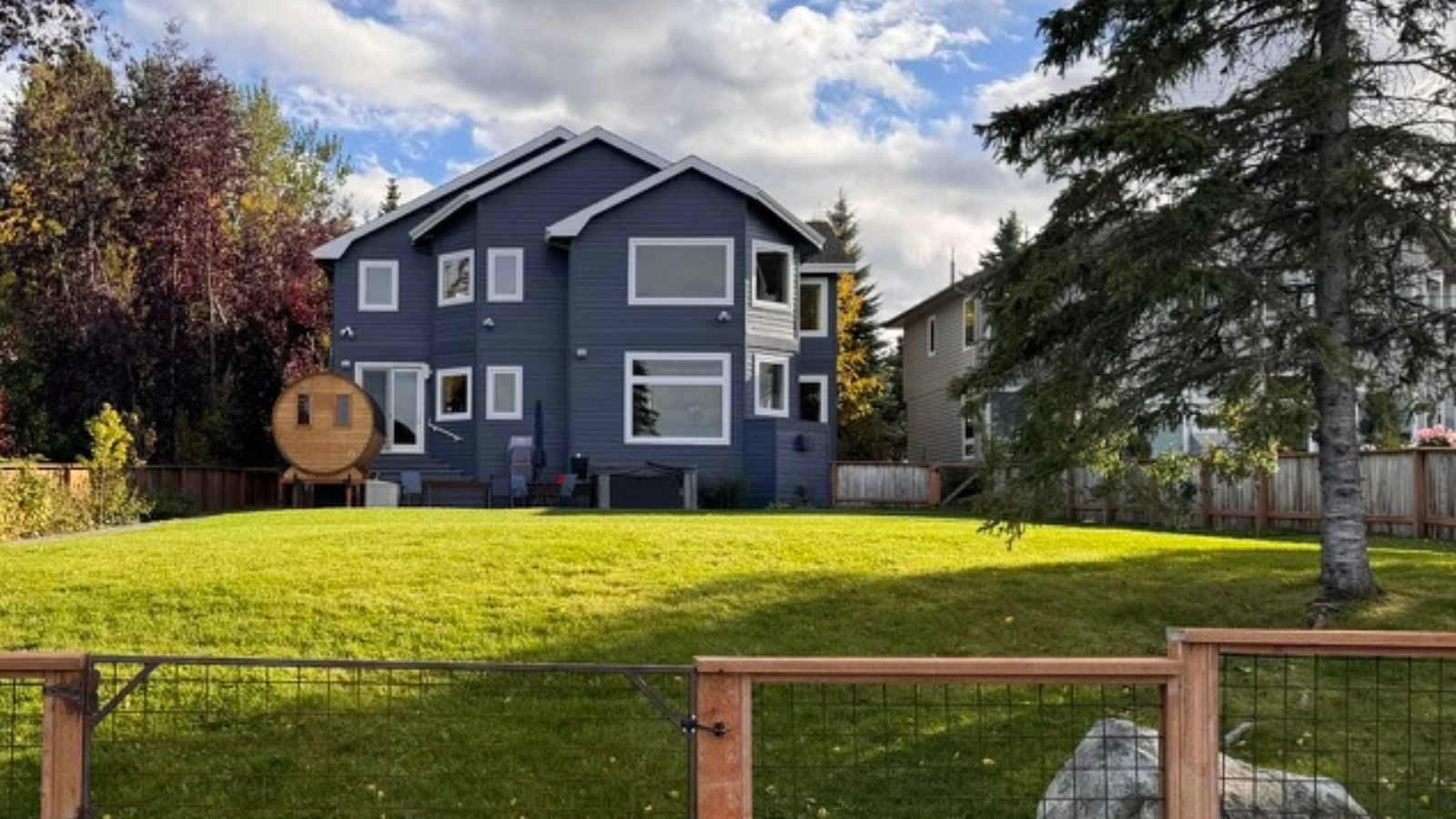
Anchorage home with garage and winter storage considerations for Denver buyers
 

Does it have a garage or carport? Where will snow go? How is the roof? Has there been ice dam history? What is the heating system? Is the driveway easy to plow? Is there storage for bikes, skis, paddling gear, winter tires, and tools?

You also want to think about where your life will actually happen.

If you plan to spend a lot of weekends toward Girdwood, Seward, or the Kenai Peninsula, south and west Anchorage may feel different than being farther north. If you expect to spend more time toward Hatcher Pass, Talkeetna, or Denali, then Eagle River, Chugiak, Palmer, or Wasilla may enter the conversation differently.

That is one reason I think Denver relocators should avoid buying based only on a commute map. Anchorage is not large in the same way Denver is large, but neighborhood choice still shapes your routines, your outdoor access, and your winter life.

Social Life, Community, and Dating: What Changes After Denver


Denver is a very social city.

It can be easy to meet people through work, gyms, yoga, restaurants, friends of friends, sports leagues, outdoor groups, and casual city life. People are friendly, active, and often oriented toward well-being with a side of career ambition.

Anchorage is friendly too, but the social structure is different.

The city is smaller, more remote, and more interest-based. You may meet people through outdoor activities, neighbors, Facebook groups, Reddit, volunteering, music, board games, local events, or winter routines.

In Denver, you may meet people because the city gives you many easy social containers.

In Anchorage, you often meet people because you share a passion, need help, give help, or keep showing up in the same circles.

That can make the beginning feel slower. But it can also create a strong sense of community over time.

Neighbors matter more here. People help each other. Someone may help pull a car out of snow, share trail advice, lend a tool, or connect you to a local contractor. The city can feel less socially polished than Denver, but more neighborly once you get below the surface.

Dating is more limited. Career networks can be more limited depending on your field. If you need a large social pool, frequent events, and endless new people, Denver has the advantage.

But if you are willing to build community intentionally, Anchorage can become very warm.

 
Anchorage community and outdoor lifestyle for people relocating from Colorado

Travel, Shipping, and Distance from the Lower 48


This is one of the biggest practical changes when moving from Denver to Anchorage.

Denver is extremely connected. You can get almost anywhere from there with relative ease.

Anchorage is different.

Seattle becomes a major connection point. Many flights to the Lower 48 involve overnight travel, long connections, or awkward timing. Visiting family, traveling for work, or going abroad requires more planning, more time, and usually more money.

Shipping is similar.

You can get a lot in Anchorage, and Amazon does ship many items. But not everything ships here, and larger items can be limited, expensive, or slow. Furniture selection is more limited. Specialty goods are harder to find. If you care about a very specific brand, style, or product, you may need to plan ahead.

Moving itself can also be expensive.

If you are moving from Colorado to Alaska, be very selective about what you bring. It may make sense to sell bulky furniture in Denver and move only what is high-quality, sentimental, hard to replace, or truly worth the shipping cost.

The same goes for cars.

If you already own a car you like, bringing it may make sense. If you do not, buying in Alaska is possible, but selection can be more limited and prices can be higher.

This is part of the Anchorage tradeoff. Life here is not impossible or primitive. It just requires more planning.

Should You Rent First or Buy Right Away in Anchorage?


The honest answer is: it depends on how clear you are about Anchorage.

Renting first can be smart if you are unsure about your job, your neighborhood preference, your winter tolerance, or whether Alaska will be a long-term fit. Anchorage neighborhoods can feel different once you live your daily life here. A place that looks convenient on a map may not match how you actually spend your time. A place that seems far away may feel completely reasonable once you understand the city.

I also would not try to match Denver neighborhoods one-for-one with Anchorage neighborhoods. The better question is what kind of daily life you want here: central access, trail access, mountain access, airport convenience, more space, school access, or easier weekend routes toward Girdwood, the Kenai, Hatcher Pass, or Denali. That is usually more useful than asking which Anchorage neighborhood is “most like Denver.”

That said, renting is not always the obvious answer.

Anchorage rentals can be expensive for the quality. If you have pets, need storage, want a garage, or are trying to create a stable life quickly, buying may make sense if your finances are ready and your long-term plan is clear.

A Better Rent-or-Buy Test

For Denver relocators, I would focus less on the abstract rent-versus-buy debate and more on these practical questions:

Do you know what kind of Anchorage life you want?

Do you understand how winter changes homeownership here?

Do you have the patience to look for the right home in a limited market?

If the answer is yes, buying sooner may be reasonable. If the answer is no, renting first can be a valuable education.

Who Usually Loves Anchorage After Denver, and Who Usually Moves Back?


I know Colorado people who moved to Anchorage and would not move back.

I also know people who lived in Anchorage and eventually returned to Colorado.

That is why fit matters so much.

Who Usually Thrives in Anchorage

They actually use the outdoors: hiking, skiing, skating, biking, paddling, fishing, camping, and trail time become part of normal life.

They can trade polish for access: fewer restaurants, services, and shopping options feel worth it because the lifestyle fits.

They build a winter life: they do not just wait for summer. They create routines, community, gear systems, and reasons to get outside.

They are okay with distance: being farther from family, travel, and the Lower 48 is a real tradeoff, but not a dealbreaker.

The Colorado people who tend to love Anchorage usually share a few things. They genuinely care about outdoor access. They are okay with fewer services and less polish. They like the idea of being more self-reliant. They are willing to adapt to winter. They can handle being farther from family and the Lower 48. They are not just looking for a cheaper Denver.

Most importantly, they actually use what Anchorage offers.

They ski. They skate. They bike. They hike. They fish. They paddle. They camp. They meet people through activities. They build routines around the seasons.

The people who move back to Colorado are not wrong either.

Many miss sunshine, dating, city life, restaurants, career opportunity, easier travel, family proximity, or the broader convenience of a large metro. Some people realize they liked the idea of Alaska more than the daily reality of living here.

That is a very useful distinction.

Visiting Alaska and living in Alaska are not the same thing.

Anchorage is best for people who want Alaska not just as a backdrop, but as part of their actual daily life.

10 Questions to Ask Yourself Before you Move


A Quick Fit Check

Before moving from Denver to Anchorage, ask yourself these questions. They are less about whether Anchorage is “better” than Denver, and more about whether it supports the life you actually want to build.

1. Outdoor access: Do I love the outdoors enough to trade some convenience for easier access?

2. Winter reality: Am I ready for a real winter, not just occasional snow?

3. Daylight: Can I handle darker months after living with Colorado sunshine?

4. Social life: Do I need a large social, dating, or career pool?

5. Distance: Am I comfortable being farther from family and the Lower 48?

6. City feel: Do I want a polished city, or can I enjoy a more functional city with wild access?

7. Cost structure: Am I prepared for higher costs in groceries, shipping, heating, travel, and maintenance?

8. Housing needs: Do I understand how much garage space, storage, plowing, and winter maintenance matter?

9. Daily life: Will I actually use the outdoor access Anchorage gives me?

10. Long-term fit: Do I want Alaska as a vacation idea, or as a daily-life choice?

If the answers point toward Anchorage, the move can be extraordinary. If they point toward Denver, that is useful too. The goal is not to decide which city is better. The goal is to decide which city better supports the life you actually want.

Planning a Move from Denver to Anchorage?

Choosing where to live here is not just about price or commute. It is about winter routines, trail access, storage, travel needs, neighborhood fit, and whether Anchorage supports the kind of life you are trying to build.

If you are moving from Denver, Boulder, Golden, or anywhere along the Front Range, I’m happy to help you think through Anchorage neighborhoods, housing, lifestyle tradeoffs, and whether the move actually fits you.

Ask a Local Before You Move

FAQ: Moving from Denver to Anchorage


Anchorage can be somewhat less expensive than Denver for housing, especially compared with desirable central Denver neighborhoods. But groceries, restaurants, drinks, goods, shipping, heating, travel, and home maintenance can be more expensive. The overall cost of living may feel similar, just distributed differently.

Yes. Denver winters are sunnier, milder, and more forgiving. Anchorage has a true winter season with lasting snow, darker days, colder stretches, and more winter logistics.

Anchorage can be better for immediate, uncrowded access to hiking, skiing, biking, skating, paddling, fishing, and wild landscapes. Denver has more resort variety, more established outdoor infrastructure, and a larger surrounding metro with more services.

Instead of trying to match Denver neighborhoods one-for-one with Anchorage neighborhoods, start with daily life: central access, trail access, mountain access, airport convenience, school needs, storage, or easier weekend routes toward Girdwood, the Kenai, Hatcher Pass, or Denali.

Renting first can be smart if you are unsure about neighborhoods, winter, job stability, or long-term fit. Buying may make sense if you know you want to stay, understand the lifestyle tradeoffs, and are prepared for Anchorage’s limited housing inventory.

Many do, especially if they love outdoor access, self-reliance, and a more adventurous lifestyle. Others return to Colorado because they miss sunshine, travel convenience, career options, dating, restaurants, or big-city amenities.

Denver is more polished, sunny, connected, and urban. Anchorage is more remote, seasonal, functional, and wilderness-oriented, with easier access to outdoor life but fewer urban conveniences.

It can be a great idea if you want easier access to wild outdoor experiences and are prepared for winter, distance, fewer services, and a smaller social and career ecosystem. It is less ideal if you mainly want sunshine, urban convenience, frequent travel, and a large social scene.

Final Thoughts


Denver is a great city for people who want urban convenience near the mountains.

Anchorage is different. It is less polished, more remote, more seasonal, and more demanding. But for the right Colorado person, it can offer something rare: a life where the outdoors is not just something you drive toward on weekends, but something that becomes part of your normal rhythm.

That is the real question.

Not whether Anchorage is better than Denver.

Whether Anchorage gives you more of the life you were hoping Denver would help you reach.

Check out this article next

Best Anchorage Neighborhoods for Biking: Where to Live Near Trails

Best Anchorage Neighborhoods for Biking: Where to Live Near Trails

A local guide to the best Anchorage neighborhoods for biking, from Coastal Trail access and Chester Creek connections to Kincaid singletrack, winter fat biking, and…

Read Article
About the Author
Rod Skowronek
Roderick Skowronek is an Anchorage-based Realtor, investor, and property manager with a background in finance and real estate investing. He helps buyers, sellers, and investors make thoughtful real estate decisions with clear numbers, practical guidance, and a strong understanding of Alaska lifestyle.

Leave a Reply

Your email address will not be published. Required fields are marked *

This site uses Akismet to reduce spam. Learn how your comment data is processed.