


Moving to Anchorage, Alaska: What You Need to Know Before You Relocate in 2026
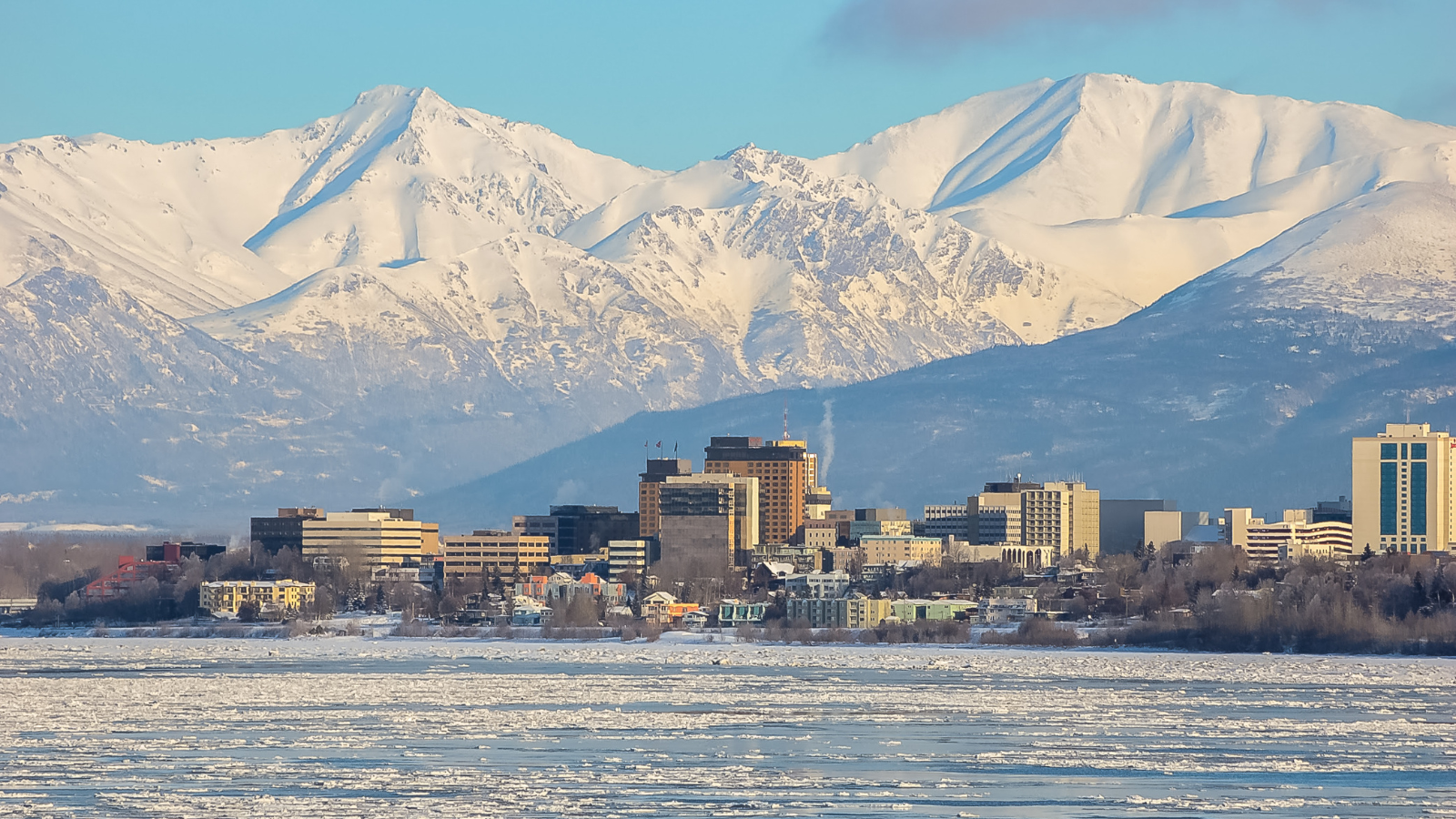
You can spend weekends on Zillow, YouTube, Reddit, and relocation blogs and still not really understand what it feels like to live in Anchorage.
That was one of the strange parts of moving here. Before I came to Anchorage, I had the obvious questions. Would it feel too small? Would it be too cold? Would it feel too remote? Would I actually have things to do? Would I miss the convenience of a bigger city, the late-night food, the 24/7 stores, the easy flights, the endless choice?
Some of those concerns turned out to be real. Anchorage is remote. Some things are more expensive. Travel takes more planning. Shipping can be frustrating. You will have fewer options than you would in a major Lower 48 city.
But Anchorage also surprised me in ways I did not expect.
It did not feel like a tiny town. It felt like Alaska’s main service hub, which is exactly what it is. Anchorage is the state’s largest city and the center of Alaska’s largest metro area, so it has far more services, diversity, stores, healthcare, restaurants, events, and everyday infrastructure than many people picture before moving here.
If you are moving to Anchorage, Alaska from out of state, the biggest challenge is not just understanding the weather, the homes, or the cost of living. It is understanding how daily life here actually works.
This guide is mainly about moving to Anchorage and Southcentral Alaska, not every possible version of moving to Alaska. Life in Anchorage is very different from life in rural Alaska, Southeast Alaska, Fairbanks, or a remote village. If you are relocating for work, military service, healthcare, schools, real estate, outdoor access, or general quality of life, Anchorage is often where the Alaska question starts.
For people researching living in Anchorage Alaska from afar, this is not meant to be a generic city profile. It is a practical, lived-in guide to what I wish I had understood before moving here: the seasons, the cost, the housing, the neighborhoods, the logistics, and the daily rhythm of life in Anchorage.
Quick Take
Anchorage is a great fit if you want nature close by, shorter commutes, strong seasons, and a practical city with access to wild places. It may be harder if you need cheap frequent travel, dense walkability, endless consumer choice, or big-city convenience.
In This Guide
- Anchorage Is Not What Most People Picture
- What I Wish I Had Known Before Moving to Anchorage
- Who Anchorage Is a Good Fit For
- The Biggest Tradeoffs of Living in Anchorage
- Cost of Living in Anchorage, Alaska
- Weather, Seasons, and Daylight in Anchorage
- Lifestyle, Community, and the Alaska Rhythm
- How to Move Your Things to Anchorage
- Bringing a Car, Buying a Car, and Getting Around Anchorage
- Where Should You Settle?
- Renting vs Buying When You Move to Anchorage
- Jobs, Schools, Healthcare, and Everyday Logistics
- What Still Surprises Me About Anchorage
- Should You Move to Anchorage?
- Moving to Anchorage FAQ
Anchorage Is Not What Most People Picture
Anchorage is not a cute city in the way New York, Paris, or even some smaller mountain towns are cute.
You do not move here for perfect urban design, charming streets on every block, or a polished downtown lifestyle. Anchorage can feel practical, spread out, car-oriented, sometimes rough around the edges, and visually inconsistent. Some neighborhoods are beautiful. Some corridors are not. Some homes feel tucked into trees with mountain views. Others sit along very ordinary commercial roads.
But the tradeoff is that daily life can be surprisingly easy.
Traffic is manageable. The airport is close. Costco is close. Trailheads are close. The mountains are always there. You can finish work, change clothes, and be skiing, biking, walking by a lagoon, or heading toward a trail in a way that would be much harder in many larger cities.
That is the part that is hard to understand from a distance. Anchorage is not a postcard all the time, but it can make a very specific kind of life feel accessible.
It is also more diverse and more functional than many outsiders expect. Because Anchorage serves as a hub for much of Alaska, the city has a broader range of services than its population alone might suggest. You feel that in the hospitals, airport, military presence, stores, schools, cultural communities, and constant movement of people coming in from other parts of the state.
And then there are the parts that feel unmistakably Alaskan.
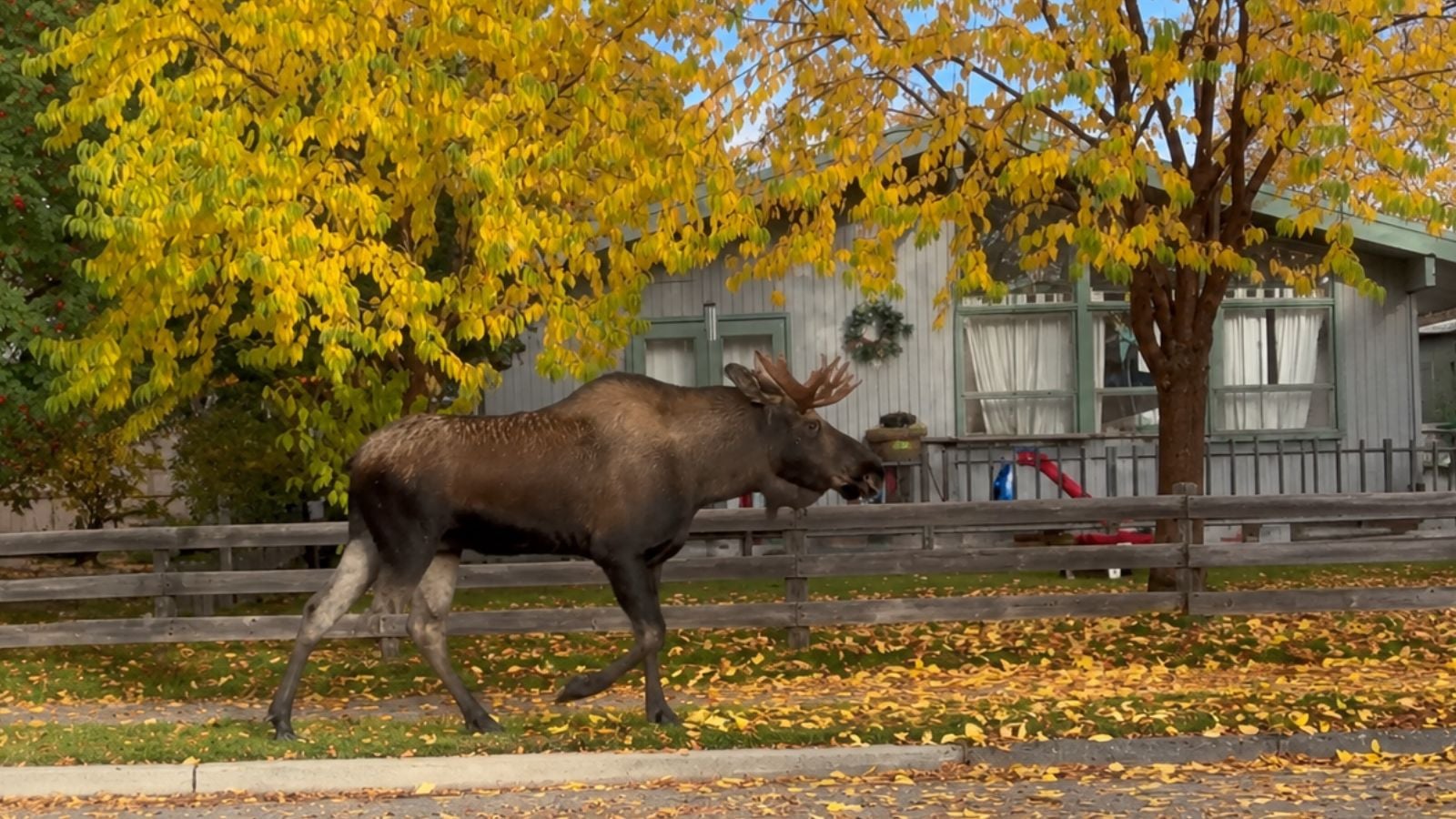
Moose are not a rare novelty. You see them in neighborhoods, yards, parks, roadsides, and trails. Bald eagles are common. Bears are less common in town, but they are part of the reality of living here. The mountains are visible constantly. Planes are everywhere. Small aircraft are not just a hobby here. Civil aviation is part of how people, goods, work, and life move around Alaska.
Anchorage can feel normal and extraordinary at the same time. You can run errands at Costco, see a moose on the way home, watch planes overhead, and still be back in time for dinner with friends.
That mix is the city.
What I Wish I Had Known Before Moving to Anchorage
What I Expected vs. What I Learned
Anchorage might feel tiny: it feels more functional than expected because it serves as Alaska’s main hub.
Winter would be awful: winter can be beautiful with the right routines.
Alaska would be cheap: Anchorage can be surprisingly expensive.
I could ship almost anything: shipping can be costly, slow, or limited.
Neighborhood choice was secondary: where you live shapes your daily life a lot.
The first thing I wish someone had told me is that winter can actually be wonderful.
Not easy. Not effortless. But wonderful.
Before moving here, I worried about the cold and darkness. That is normal. People focus on winter because it is the most obvious difference between Anchorage and many places in the Lower 48. But winter became my favorite season because it gives life a slower rhythm. After the intensity of summer, winter gives you permission to stay in, cook, watch movies, see friends, go to performances, ski, skate, walk, and live more quietly.
The second thing I wish I had known is that where you live matters more than you think.
Anchorage is not one uniform lifestyle. Living near the Coastal Trail feels different from living on Hillside. Eagle River feels different from South Addition. Girdwood feels different from Midtown. The Valley is a different life altogether. Before you obsess over the perfect house, it helps to understand the daily rhythm you want.
The third thing I wish I had known is that you will have less choice.
Less choice in produce. Less choice in late-night restaurants. Less choice in direct flights. Less choice in furniture. Less choice in some healthcare specialties. Less choice in gyms, shopping, contractors, and quick delivery.
At first, that can feel limiting. Over time, it can also reshape your expectations.
The question becomes less, “Can I have every option I had before?” and more, “What do I actually need, and does Anchorage give me enough of the right things?”
For me, the answer became yes. Not because Anchorage has everything, but because it has enough of what matters most to me now: access to nature, community, slower mornings, less traffic, more outdoor movement, and a sense of freedom I have not felt in the same way elsewhere.
Who Anchorage Is a Good Fit For
Anchorage tends to work well for people who value access over polish.
If you want nature nearby, shorter commutes, a strong sense of seasons, practical city services, and a lifestyle that feels a little less manufactured, Anchorage can be a great fit. You do not have to be an extreme outdoor person to enjoy it. You can be someone who likes a walk by the water, a ski loop after work, a weekend drive down Turnagain Arm, or the ability to get outside without making the entire outing a production.
It can also be a good fit for military families. Joint Base Elmendorf-Richardson is a major presence in Anchorage, and the surrounding community is used to people arriving from elsewhere, building routines quickly, and navigating transitions. Military OneSource describes JBER as having a military-affiliated community of more than 40,000 people in the Anchorage area.
Eagle River, Chugiak, and parts of East Anchorage are especially relevant for many military households because of base access and established military networks.
Anchorage can also work well for healthcare workers, government employees, aviation and logistics workers, oil and gas professionals, educators, remote workers, and people who want a city base with access to the rest of Alaska.
It may be harder if you need dense urban walkability, cheap frequent travel, abundant nightlife, endless restaurant choice, broad consumer convenience, or immediate access to every medical specialty.
That does not mean you cannot be happy here. But it does mean you should be honest about what gives you energy and what drains you.
The Biggest Tradeoffs of Living in Anchorage
Anchorage can be a wonderful place to live, but it works best when you understand the tradeoffs before you arrive.
The biggest adjustment is not one single thing. It is the combination of distance, cost, limited choice, and seasonal life. None of those make Anchorage unlivable, but they do shape daily life in a way that can surprise people moving from the Lower 48.
The Main Tradeoffs
Remoteness
If your friends and family are in the Lower 48, seeing them takes more planning. International travel usually means a connection, and shipping can be slower, more expensive, or sometimes unavailable.
Cost
Anchorage is not cheap just because it is remote. Housing, groceries, restaurants, insurance, healthcare, gyms, travel, and shipping can all feel closer to West Coast pricing than people expect.
Less Choice
You can source most of what you need in Anchorage, but not always the exact version, brand, price, or schedule you want. Convenience exists here, but it is not endless.
Seasonal Life
The light changes everything. Winter is not just cold. Summer is not just warm. Your energy, hobbies, mood, sleep, and social life all start responding to the seasons.
Cost of Living in Anchorage, Alaska: The Real-Life Version
The cost of living in Anchorage, Alaska is one of the things relocators should take seriously. If you are searching for cost of living in Anchorage Alaska before a move, the real answer is more nuanced than a simple calculator can show.
Anchorage is not cheap just because it is remote. In many ways, the pricing feels closer to West Coast life than people expect, especially once you factor in housing, groceries, restaurants, healthcare, insurance, shipping, travel, and home maintenance.
Cost Areas That Surprise People
Everyday costs: groceries, produce, restaurants, gyms, gas, and shipping can all cost more than people expect. Some Costco items can feel a few dollars higher than in places like Denver, and eating out adds up quickly.
Alaska benefits: no state income tax, no city sales tax in Anchorage, the Permanent Fund Dividend, resident fishing licenses, and dipnetting privileges can help, but they do not make Anchorage cheap.
Homeownership costs: heating, snow removal, possible roof shoveling, winter maintenance, rain gear, warm clothing, winter tires, and home upkeep are part of the real cost of living here.
Those Alaska benefits are real. But they do not make Anchorage cheap.
The Permanent Fund Dividend, resident licenses, and dipnetting can help, especially if you fish or hunt and use those privileges to access high-quality protein. But I would think of them as offsets, not a magic discount.
They do not erase the higher cost of shipping, healthcare, groceries, travel, property taxes, housing, or home maintenance.
Cost Reality Check
Alaska has some financial privileges, but they do not cancel out the cost of living. Anchorage can still feel expensive once you account for groceries, healthcare, insurance, shipping, travel, property taxes, and winter-specific home maintenance.

Weather, Seasons, and Daylight in Anchorage
The better question is not “How cold is Anchorage?”
The better question is, “Can I live with the seasons?”
Alaska lives with the seasons more intensely than anywhere I have lived. Your body, mood, schedule, hobbies, and social life all start following the light.
Anchorage by Season
Winter: slower, darker, beautiful, routine-driven, and surprisingly cozy with the right preparation.
Summer: bright, intense, social, productive, and sometimes manic.
Shoulder seasons: short, rainy, muddy at times, and transitional, though fall can be stunning.
Winter, Darkness, and Seasonal Mood
Anchorage winter scared me before I moved here. I worried about darkness, cold, snow, and isolation.
What helped was getting good advice early.
Invest in quality warm gear. Stop worrying so much about style. Get good base layers, fleece, warm boots, a warm jacket, gloves, hats, and practical outerwear. Use a SAD lamp. Take vitamin D if appropriate for you. Keep a routine. Move your body. Use the daylight. Go outside even when it takes effort. See friends even when staying home feels easier.
Winter in Anchorage is not something you simply endure. It is something you learn how to live.
Cross-country skiing, skating, fat biking, snowshoeing, walking, performances at the Alaska Center for the Performing Arts, dinners with friends, board games, fireplaces, and movie nights can all become part of the rhythm.
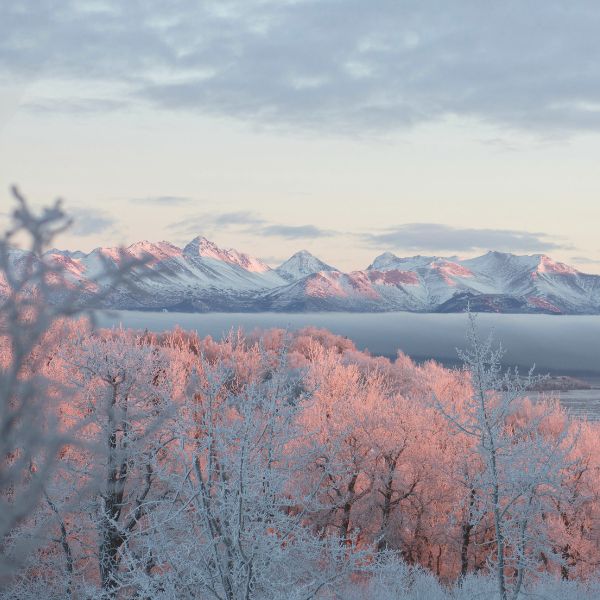
On a clear blue-sky winter day, Anchorage is stunning. The snow, mountains, low light, and quiet can make the city feel magical.
Winter can still be hard for many people. Seasonal depression is real. Darkness is real. Plowing your car in the cold is real. But winter is not only something to fear. With the right routines, Anchorage winter can become one of the most beautiful and rewarding seasons.
Summer Mania
Summer is the season everyone talks about, and for good reason.
The days get long. Energy comes back. People hike, fish, bike, camp, kayak, garden, attend festivals, take road trips, and try to fit as much as possible into a few bright months.
There is also something I think of as summer mania.
By late April and May, the light starts to change, and suddenly everything accelerates. You can work all day, do yard projects, plan a trip, write, meet friends, and realize it is still daylight late at night. Then you wake up early and do it again.
It is exciting. It is also exhausting.
Summer in Alaska can create pressure to maximize everything. Every weekend can feel like it needs to be a camping trip, festival, fishing day, hike, road trip, or house project. It is wonderful, but it can become its own kind of intensity.
Spring, Fall, Rain, and Shoulder Seasons
Spring may be the hardest season in Anchorage.
The snow melts. Streets get slushy. Trails can be muddy. It can be rainy, gray, cold, and not especially cute. Outdoor activities can feel impractical for a while. A lot of people feel down during that short transition.
Fall is different.
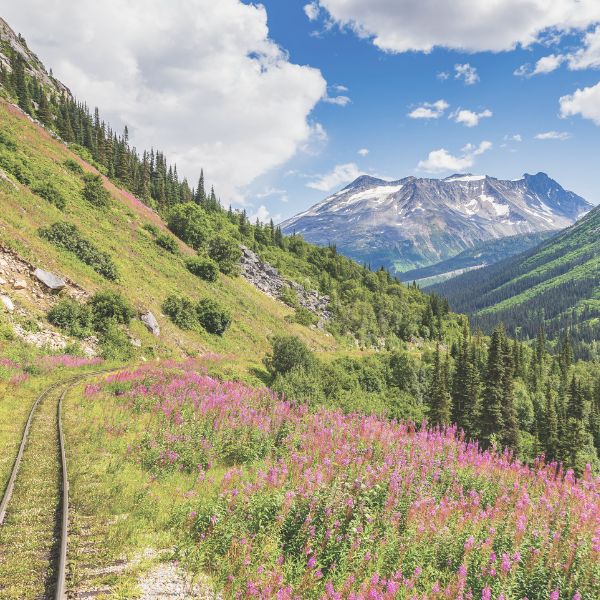
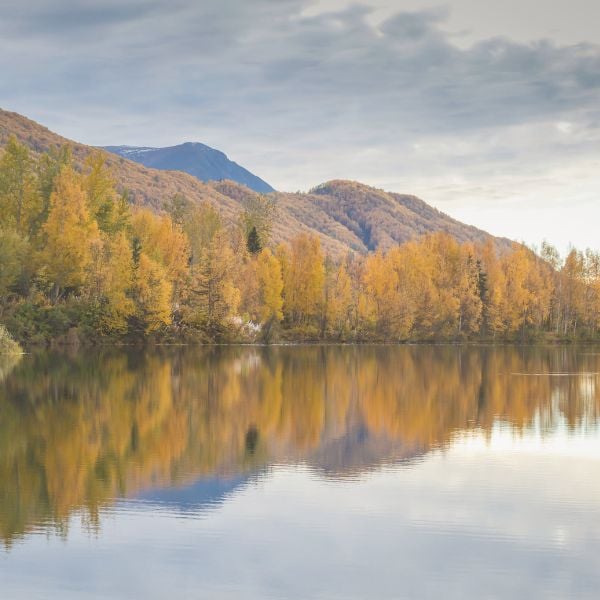
Fall is short, but it can be glorious. The foliage colors, mountain contrast, hikes, packrafting trips, and drives along Turnagain Arm can be stunning. There is also a lot of yard work, leaf cleanup, and preparation for winter.
Anchorage is not a place where the seasons politely change in the background. They take over. That is part of the beauty and part of the challenge.
Lifestyle, Community, and the Alaska Rhythm
Anchorage lifestyle is one of the things that surprised me the most.
People are often helpful, direct, casual, and community-minded. There is a sense that people understand the practical realities of living here. Cars get stuck. Moose show up. Weather changes plans. Someone needs a hand. People improvise.
There is also a feeling of freedom that is hard to describe. Anchorage is still a city, with rules and systems and bureaucracy like anywhere else, but life can feel less boxed-in than in many places. People dress functionally. They do not seem as concerned with looking perfect. You can see XtraTuf boots in nice restaurants. You can meet people who fix things themselves, build things, fish, hunt, fly planes, ski, run dogs, play folk music, or live some very specific version of an Alaska life.
Outdoor access is part of that rhythm, but it does not have to become your entire identity.
You can be hardcore here if you want. You can also just enjoy walking by Westchester Lagoon, biking the Coastal Trail, skiing an easy loop after work, or taking a short drive toward the mountains when you need to breathe.
Making friends is both easier and harder than people might expect.
It can be easy because many people are transplants, and shared interests create real connection. Outdoor groups, music events, board games, fire pits, drinks, festivals, social media communities, and neighborhood networks all help.
It can be hard because there are fewer casual third places than in bigger cities. Fewer coffee shops open late. Fewer social hubs. Fewer game centers, leisure spaces, and spontaneous urban gathering places. In winter, people may stay home more. Dating can also feel small, and small communities can come with their own drama.
You can build a strong life here, but it helps to be intentional.

How to Move Your Things to Anchorage
Moving your belongings to Anchorage can be expensive.
I paid about $8,000 to move furniture from a 450-square-foot studio in New York City. If I were doing it again, I would probably bring much less.
Unless an employer, the military, or a corporation is paying for the move, I would strongly consider selling most things, flying with suitcases and totes, and buying what I need after arriving.
That does not mean everyone should sell everything. If you have sentimental furniture, high-quality pieces you love, or an employer-paid move, bringing items can make sense. But if you are paying out of pocket, be careful. The cost of moving furniture to Alaska can quickly exceed the value of what you are moving.
Main Ways to Move Your Things to Anchorage
Hiring movers: most convenient, often expensive. This can make sense if your employer, military move, or relocation package is covering part of the cost.
Shipping a container: more flexible than a full-service move, but still not cheap. Compare timing, loading logistics, delivery windows, and the total cost against replacing items locally.
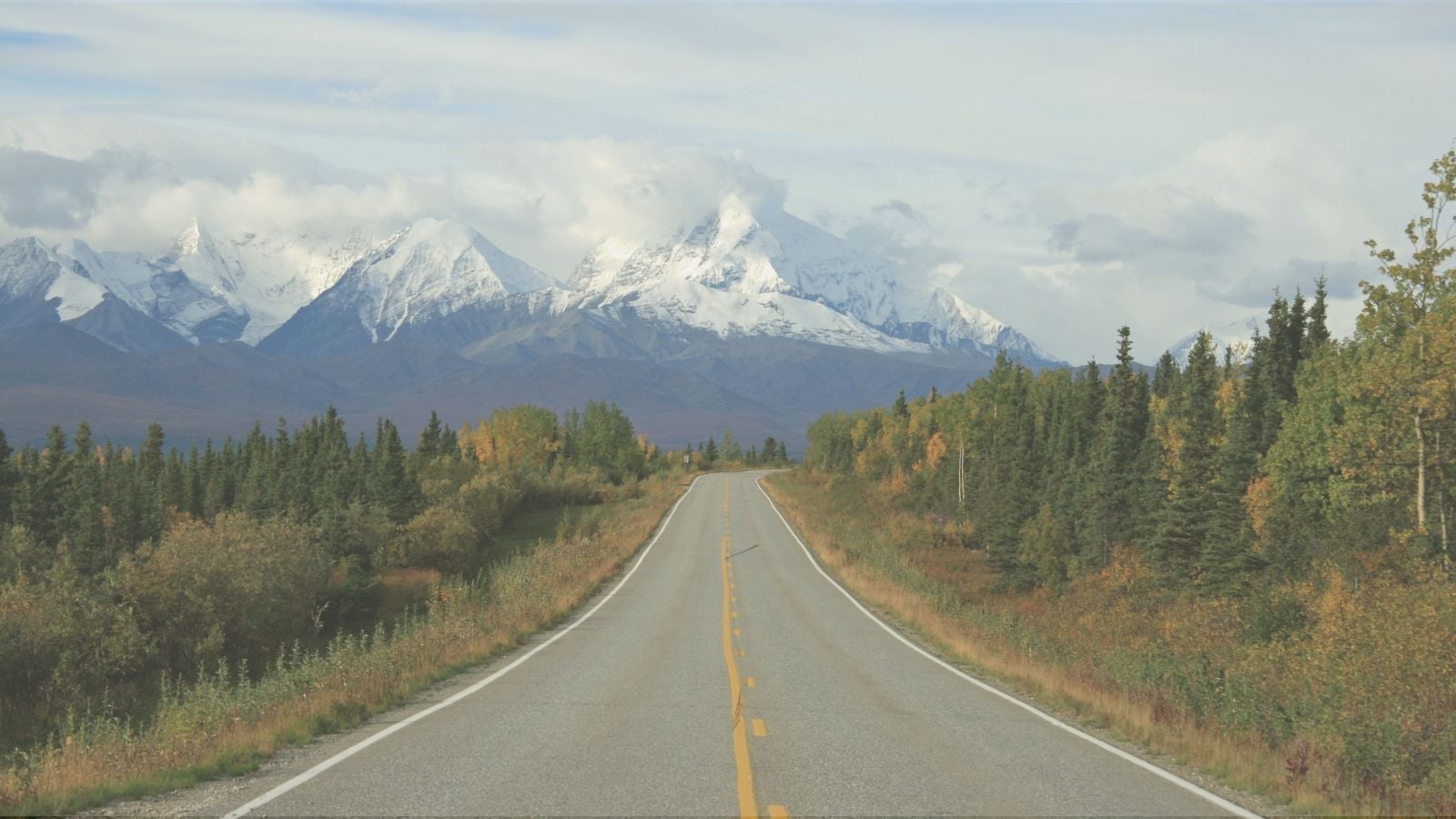
Driving the Alaska Highway: beautiful, but not free. It adds fuel, lodging, food, mileage, weather risk, vehicle preparation, documents if crossing Canada, and time.
Bringing less and buying here: often the smartest option if you are paying out of pocket, even though local furniture selection can be limited.
Furniture is also a specific issue in Anchorage. There is some local supply, but not the same variety you would find in a large Lower 48 metro. Nice pieces on Facebook Marketplace can go fast, partly because of military relocations and people constantly moving in and out.
Ordering quality furniture from the Lower 48 can come with large shipping charges. A couch, bed, or dining table can cost hundreds of dollars just to get here.
My practical advice is to be honest about what is truly worth bringing. Alaska rewards preparation, but not necessarily overpacking.
Bringing a Car, Buying a Car, and Getting Around Anchorage
Most people in Anchorage will want a car.
The better question is whether to bring one or buy one here.
I bought a car in Alaska because I did not have one before moving. If you already own a car in the Lower 48 and it works for Alaska, bringing it may make sense. If you want a very specific model, buying before you come up may also make sense because Alaska has a smaller market and less selection.
But shipping a car costs money, and driving the Alaska Highway adds mileage, wear, planning, and risk. Buying in Alaska may be a little more expensive, but the difference is not always big enough to justify the hassle of shipping, depending on your situation.
Car Reality Check
Bring your car: this can make sense if you already own a reliable vehicle that fits Alaska life, or if you want a specific model that may be harder to find locally.
Buy in Alaska: this is simpler if you do not already own a car, but local selection can be smaller and prices may feel a little higher than in larger Lower 48 markets.
Drive the Alaska Highway: this can be a beautiful road trip, but it adds mileage, lodging, weather risk, and vehicle prep. It is an experience, not just a shipping shortcut.
For Anchorage itself, winter tires matter more than many newcomers realize. AWD or 4WD can help, but it does not replace good tires and good driving habits. In the winter, I have felt safest with studded tires. Ground clearance can help. Heated seats, remote start, roof racks, and garage or carport access can all become more valuable than they might seem from afar.
Daily life is car-reliant, but not always difficult. Commutes are usually much easier than in major metros. Plowing in Anchorage is not perfect, but compared with many places in the Lower 48 or Europe, winter road systems here are serious and generally functional. Central areas tend to be plowed first, while more suburban or hillside areas may take longer. It is still wise to be prepared for the possibility that you may not easily leave the house for a day or two after a major storm.
Car-light living is possible for some people in specific neighborhoods, but it is not the default. For most relocators, the practical question is not whether you need a car. It is what kind of car, where you will park it, and whether your daily life requires frequent driving in winter conditions.
Where Should You Settle: Anchorage, Eagle River, Girdwood, or the Valley?
Most people researching Anchorage Alaska neighborhoods quickly realize that the bigger question is whether they want the Anchorage Bowl, Eagle River, Girdwood, or the Mat-Su Valley.
The question is not simply, “What is the best neighborhood?”
The better question is, “What kind of life are you trying to build here?”
Where to Settle Near Anchorage
Anchorage Bowl
Best for: convenience, services, shorter commutes, city access, and a softer landing for people coming from larger cities.
Tradeoff: older homes, higher demand in central neighborhoods, and less space in some areas.
Eagle River / Chugiak
Best for: military families, mountain views, a small-town feel, and more space while staying connected to Anchorage.
Tradeoff: commute, winter driving, and less immediate access to city amenities.
Girdwood
Best for: resort-town living, skiing, scenery, and a very outdoorsy lifestyle.
Tradeoff: limited inventory, a specific lifestyle, and a commute that changes how connected you feel to Anchorage.
Mat-Su Valley
Best for: space, acreage, fewer rules, projects, and a more self-reliant lifestyle.
Tradeoff: longer commutes, fewer city services, more car dependency, and a different daily rhythm.
The Anchorage Bowl is the best fit for people who want the most city convenience. You are closer to services, restaurants, stores, healthcare, schools, trails, the airport, and work hubs. If you are coming from a larger city and still want some access to coffee shops, groceries, friends, events, and daily convenience, the Bowl may make the transition easier.
This includes many different lifestyles. South Addition, Turnagain, Rogers Park, Airport Heights, Midtown, South Anchorage, and Hillside do not feel the same. But broadly, the Anchorage Bowl gives you the most balanced access to city life and outdoor life.
I chose South Addition because I wanted some walkability, central access, and proximity to places like Westchester Lagoon and the Coastal Trail. Anchorage is not a walkable city by design, but you can make it more walkable depending on where you live. Being able to walk or bike to a bakery, coffee shop, light groceries, the lagoon, or friends has made a real difference in my quality of life.
Eagle River and Chugiak can be great in-between options. They offer more of a small-town or suburban mountain feel while staying within commuting distance of Anchorage. They can be especially relevant for military families because of access to JBER, and for people who want more space without fully leaving the Anchorage orbit.
Girdwood is its own thing. It is beautiful, outdoorsy, resort-oriented, and very specific. For the right person, it can be incredible. But it is not just “Anchorage, but prettier.” It is a different housing market, commute, lifestyle, and level of convenience.
The Valley, including Wasilla and Palmer, is better for people who want more space, acreage, fewer rules, more self-reliance, and a different pace. It can also offer different pricing and newer housing options, depending on the property. But the commute to Anchorage can be significant, especially in winter or during busy times.
This is where a local conversation matters. The right area depends on work, schools, lifestyle, winter comfort, community, outdoor interests, and how much convenience you are willing to trade for space. If you are deciding between Anchorage vs Eagle River or Anchorage vs Wasilla, the answer is less about which place is objectively better and more about which daily rhythm fits you.
Planning a Move to Anchorage?
Choosing where to live here is not just about price or commute. It is about lifestyle, winter routines, access to services, outdoor access, schools, storage, and how much convenience you want day to day.
If you are trying to figure out whether Anchorage, Eagle River, Girdwood, or the Valley fits your life best, I’m happy to help you think it through.
Ask a Local Before You MoveRenting vs Buying When You Move to Anchorage
Renting first can make sense, especially if you are moving alone, unsure about neighborhoods, or still figuring out whether Anchorage is a long-term fit.
But renting is not automatically the obvious answer.
Rent First or Buy Right Away?
Renting first may make sense if...
You are unsure about neighborhoods, moving alone, still testing whether Anchorage is long-term, or want to experience winter before committing to a property.
Buying right away may make sense if...
Your job, financing, timeline, and lifestyle priorities are clear, and you have local guidance to understand the Anchorage housing market and property condition issues.
Anchorage rents can be high for the quality you get. Some apartments feel expensive relative to condition, layout, and amenities. If you are a family looking for a house, rent may approach what a mortgage payment could look like, especially once you factor in the extra costs you may still pay separately, like snow removal.
For solo relocators, roommates or house shares can sometimes be better value than renting a mediocre apartment alone. Sharing a house may give you more space, better location, and a softer landing socially.
Buying right away can make sense if your job, financing, timeline, and lifestyle priorities are clear. But relocating buyers need to understand that Anchorage housing has its own quirks.
The Anchorage housing market can feel tight because inventory is limited, desirable central neighborhoods have low turnover, and many homes require local context to evaluate properly. If you are buying a home in Anchorage, Alaska soon after arriving, the condition of the home matters just as much as the neighborhood.
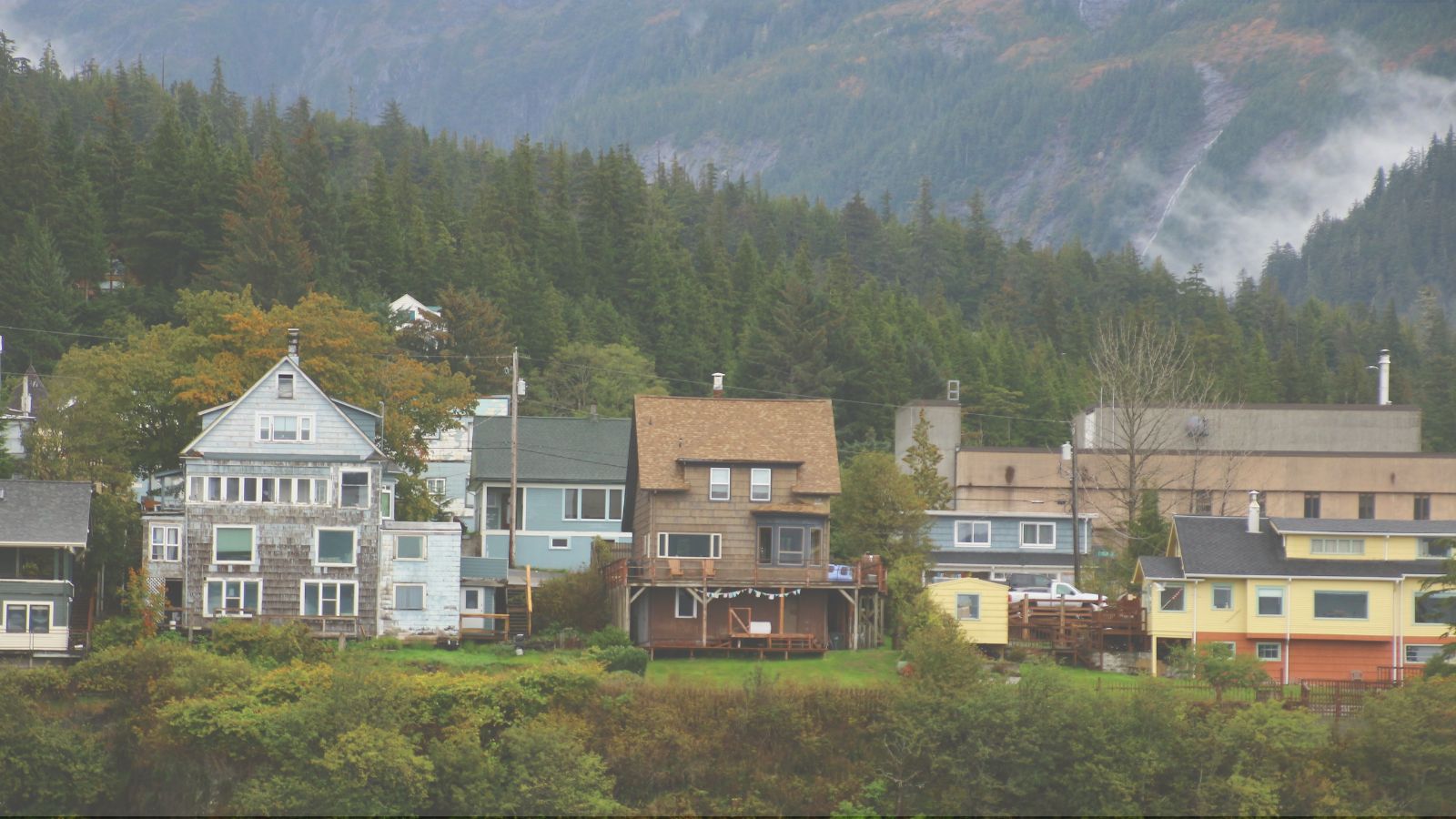
Many homes were built in the 1950s, 1960s, and 1970s. Architectural styles are not always consistent. Garages and carports matter more here than many newcomers expect. Some homes have excellent bones. Others require careful attention to heating systems, roofs, ice dams, drainage, foundations, snow management, and deferred maintenance.
Moose can even become part of homeownership. They can damage yards, eat landscaping, and create safety issues when they settle near a house.
If I were helping a relocating buyer, I would want to understand much more than their price range. I would ask about lifestyle, commute, schools, walkability, mountain access, skiing, hiking, lakes, plane ownership, storage needs, garage needs, social life, and how much convenience they want day to day.
The right home in Anchorage is not just the right floor plan. It is the right fit for how you will actually live here.
Jobs, Schools, Healthcare, and Everyday Logistics
Anchorage has more everyday infrastructure than many people expect.
There are hospitals, universities, schools, government offices, military infrastructure, oil and gas connections, aviation and logistics employers, tourism businesses, professional services, and remote workers. There are also major work hubs like Downtown, Midtown, U-Med, JBER, the airport area, and South Anchorage.
Everyday Logistics to Think About
Work and commutes
Commutes are usually easier than in large metros, but location still matters, especially in winter. Downtown, Midtown, U-Med, JBER, the airport area, and South Anchorage all shape daily routines differently.
Healthcare
Healthcare can be good, but it is expensive and limited in some specialties. Some care may involve long waits or travel to Seattle, while many people still find excellent local providers.
Schools and family logistics
For families, school fit, commute, neighborhood, housing budget, and services all intersect. This is one reason choosing the right area matters so much.
Healthcare deserves a realistic discussion.
Healthcare in Anchorage can be expensive. Insurance premiums can be high, especially because the insurance market is limited. Some specialties may involve long waits or require travel to Seattle. Procedures and copays can be expensive. This is one of the more serious tradeoffs of living here.
At the same time, it is not fair to say healthcare here is simply bad. Both things can be true: the system can be expensive and limited in some specialties, and you can still find excellent providers once you know where to look.
Anchorage has major institutions such as Providence Alaska Medical Center, Alaska Regional Hospital, and Alaska Native Medical Center, which provides care for Alaska Native people and plays an important role in the state’s healthcare system. My own experience has included finding good providers and strong mental health professionals, even while recognizing the system’s limits.
What Still Surprises Me About Anchorage
Even after settling in, Anchorage still has moments that feel only-in-Alaska.
Only-in-Anchorage Details
Moose in town: they are part of regular neighborhood life, not just a rare novelty.
Planes everywhere: civil aviation is central to Alaska, and the sky above Anchorage constantly reminds you of that.
XtraTufs at nice restaurants: function matters more than polish.
SAD lamps in winter: people adapt to the light intentionally.
Dipnetting and fishing: food, culture, and resident privileges overlap.
Moose in the yard. Bald eagles overhead. Planes everywhere. Mountains in the background of ordinary errands. A whale washing up along the Anchorage shoreline. People wearing XtraTuf boots to nice restaurants. SAD lamps in winter. Folk festivals. Snowmachines. Fat bikes with studded tires. Dipnetting. People who can jerry-rig almost anything.
There is a functionality to how people dress and live here that I have come to appreciate. It is less about looking polished and more about being ready. Ready for rain, snow, trails, wind, mud, cold, a last-minute outdoor plan, or a practical problem that needs solving.
I also did not expect wildlife to feel so present. Moose sightings can be weekly throughout the year. Bald eagles are common. Bears are rarer in town, but part of the broader reality. The sky is full of planes because aviation is so central to Alaska life. Northern lights are not as frequent as in Fairbanks, but you can still see beautiful auroras a few times a season if you pay attention and are willing to chase them.
The other surprise is how much Anchorage can change you.
Since moving here, I have become more self-reliant, more functional in how I dress, more connected to outdoor rhythms, and more relaxed. I fish. I dipnet. I think differently about seasons, gear, travel, and what I actually need.
That is not everyone’s experience. But it is one of the reasons Anchorage can be so powerful for the right person.
Should You Move to Anchorage?
Anchorage may be a good fit if you want nature close by, a slower pace, less traffic, real seasons, practical city services, and enough access to community, work, schools, and healthcare to build a full life.
It may be a good fit if you are a military family looking for a place where many people understand relocation. It may be a good fit if you are an outdoor person, a family wanting more space, a remote worker seeking a different rhythm, or someone who is tired of big-city friction.
It may be harder if you need cheap frequent travel, dense walkability, warm weather, late-night convenience, broad medical specialty access, endless consumer choice, or the social scale of a major city.
The Fit Question
Anchorage may be a good fit if...
You want nature close by, strong seasons, less traffic, practical freedom, city services without big-city friction, and a lifestyle that feels connected to the outdoors.
Anchorage may be harder if...
You need cheap frequent travel, dense walkability, endless shopping, warm weather, late-night convenience, or broad specialty healthcare nearby.
I would not romanticize Alaska too much. Winter is hard for some people. Remoteness from family is real. Everything can feel a little harder when it is cold and dark and you have to clear snow off your car. Costs are high. Choice is limited.
But I also would not reduce Anchorage to those difficulties.
The city can be beautiful, practical, welcoming, strange, freeing, and deeply livable if the rhythm fits you.
Moving to Anchorage is not just a move north. It is a move into a different way of living.
Moving to Anchorage FAQ
Anchorage can be a great place to live if you value outdoor access, shorter commutes, seasonal living, and a practical city with access to wild places. It may be less ideal if you want dense urban life, frequent cheap travel, extensive nightlife, or endless consumer choice.
Yes, Anchorage can be a strong fit for military families because of Joint Base Elmendorf-Richardson, the large military-affiliated community, and the number of households used to relocation. Eagle River, Chugiak, and parts of East Anchorage are especially common areas to consider depending on commute, schools, and lifestyle.
Yes, Anchorage can be expensive. Housing, groceries, restaurants, healthcare, insurance, shipping, travel, gyms, and home maintenance can all cost more than people expect. Alaska has no state income tax, and Anchorage has no city sales tax, but that does not mean daily life is cheap.
Eligible Alaska residents may qualify for the Permanent Fund Dividend, commonly called the PFD, after meeting annual residency and eligibility requirements. The amount changes by year and should not be treated as a reason by itself to move to Alaska.
It depends heavily on how much you bring, where you are moving from, whether you use movers or containers, and whether an employer or the military is paying. Moving furniture and household goods from the Lower 48 can cost thousands of dollars. Many people should compare the cost of shipping belongings against selling items and buying replacements locally.
Driving the Alaska Highway can be a beautiful adventure, but it requires planning, time, vehicle readiness, and comfort with long-distance travel. Shipping belongings can be easier but expensive. The right answer depends on your budget, season, timeline, household size, pets, and how attached you are to your belongings.
If you already own a reliable car that makes sense for Alaska, bringing it may be worth considering. If you want a specific vehicle, buying in the Lower 48 may give you more selection. But shipping or driving a car up can be expensive and inconvenient. If buying locally, expect a smaller market and sometimes higher prices.
Anchorage winters are serious but manageable with preparation. Good gear, winter tires, vitamin D, routines, outdoor movement, social plans, and realistic expectations make a major difference. The darkness can be harder than the cold for some people, but winter can also become one of the most beautiful and rewarding seasons.
It depends on your lifestyle. The Anchorage Bowl is best for convenience and city access. Eagle River and Chugiak offer a more suburban or small-town feel with access to Anchorage. Girdwood is beautiful and outdoorsy but very specific. The Mat-Su Valley offers more space and fewer rules, but longer commutes and fewer city services.
Renting first can help you learn the city before committing, especially if you are moving alone or unsure about neighborhoods. Buying right away can make sense if your job, financing, timeline, and preferred area are clear. Anchorage rents can be high, so the best answer depends on your situation.
Not universally. Anchorage is better for city services, shorter commutes, and convenience. Eagle River can be a good middle ground, especially for some military families and people wanting a smaller-town feel. Wasilla and the Valley can be better for space, acreage, and fewer restrictions, but usually come with longer commutes and less city convenience.
You should know that Anchorage is more functional and diverse than many outsiders expect, but also more expensive, remote, and seasonal than many people are used to. Housing, healthcare, shipping, winter, transportation, and neighborhood choice all matter. The lifestyle can be incredible if it fits you, but it is worth understanding the tradeoffs before you arrive.
Final Thoughts
Moving to Anchorage, Alaska is not just a housing decision. It is a lifestyle decision.
You are choosing a place with fewer conveniences but more access to nature. Higher costs but less traffic. Less consumer choice but more seasonal rhythm. More distance from the Lower 48 but a stronger sense of place. A city that is not always conventionally pretty, but can be incredibly livable if it fits the life you are trying to build.

Thinking About Moving to Anchorage?
I help relocating buyers think through neighborhoods, housing options, costs, outdoor access, and the practical tradeoffs that do not always show up in generic relocation guides.
Ask a Local Before You MoveCheck out this article next

Things You Shouldn't Do When Buying a Home
With a never ending list of everything you ‘should do’ when purchasing a home, it seems counterproductive to focus on what you should not do.…
Read Article

Leave a Reply