


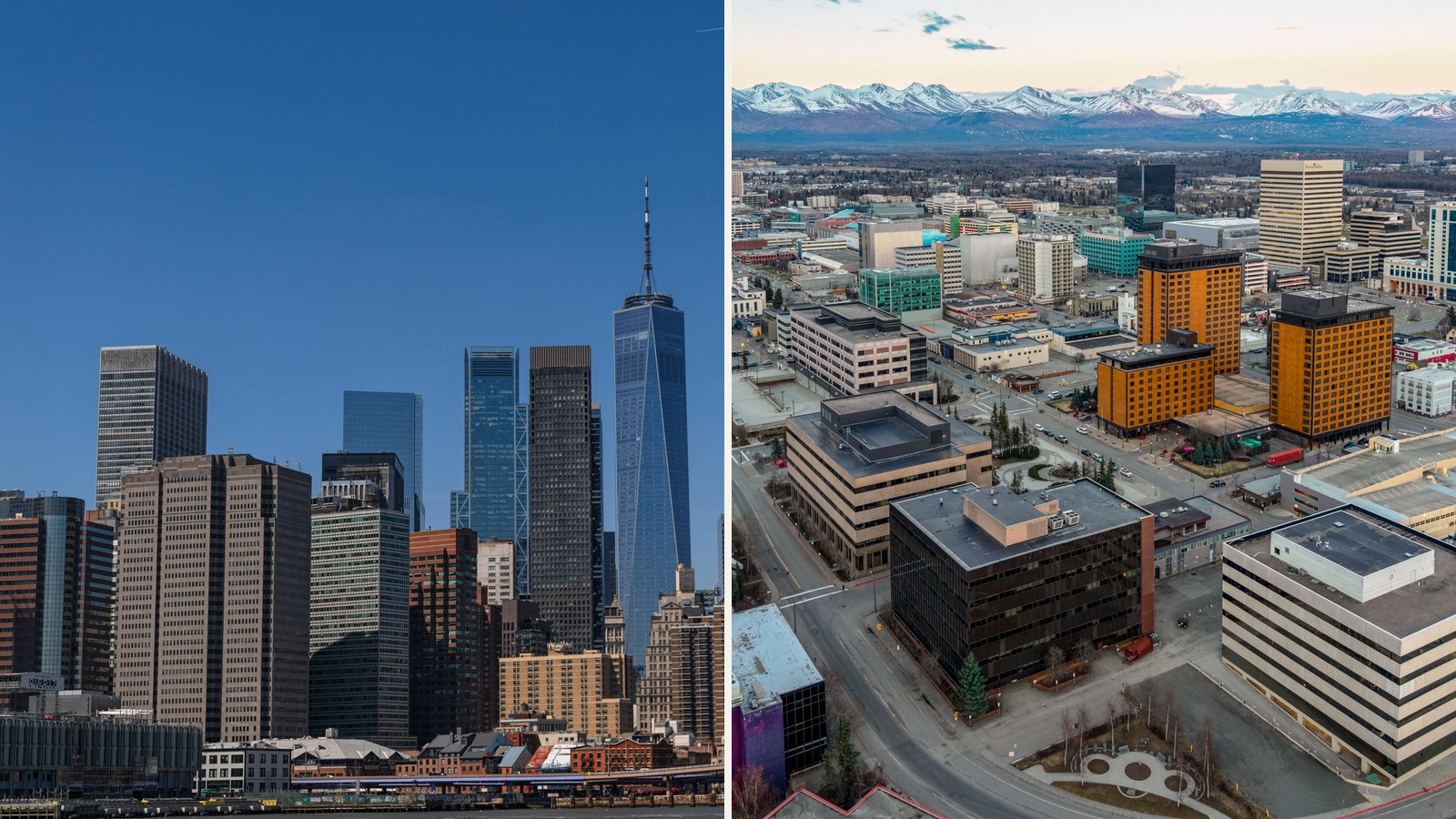
If you are thinking about moving from New York City to Anchorage, the biggest thing to understand is that Anchorage is not a quieter, cheaper version of New York.
And honestly, that is probably the point.
I lived in New York City for more than six years while working in investment banking. I did not leave because I disliked New York. I moved to Anchorage for a relationship, which makes me what locals call an import.
Years later, I am still here.
New York offers density, ambition, convenience, culture, and almost unlimited choice. Anchorage offers something different: shorter commutes, immediate outdoor access, stronger seasons, more space, and a daily life that can feel much less complicated.
The tradeoffs are real. You will probably need a car. Food, nightlife, shopping, and career options are more limited. Winter requires preparation. Seeing friends and family on the East Coast takes more time and money.
But for the right person, Anchorage can offer a quality of life that is difficult to create in New York.
Key Takeaways
In This Guide
- NYC vs. Anchorage at a Glance
- What Feels Easier After New York
- What New Yorkers Usually Miss
- Outdoor Life in Anchorage
- Winter, Darkness, and Seasonal Living
- Transportation and Car Ownership
- Cost of Living
- Work, Social Life, and Community
- Travel, Shipping, and Distance
- Choosing Where to Live
- Should You Rent or Buy?
- Who Usually Thrives?
- 10 Questions Before You Move
- Frequently Asked Questions
NYC vs. Anchorage at a Glance
| Category | New York City | Anchorage |
|---|---|---|
| Daily transportation | Walking and public transit | Primarily driving |
| Typical commute | Often 30–60 minutes or longer | Frequently 10–25 minutes in the Anchorage Bowl |
| Housing | Smaller, expensive, apartment-based | More space and greater ownership potential |
| Outdoor access | Usually requires planning and travel | Trails, parks, skiing, and water beside the city |
| Food and nightlife | Exceptional depth and late hours | Smaller selection and earlier closing times |
| Social environment | Huge, varied, and relatively anonymous | Smaller, interconnected, and activity-based |
| Winter | Gray, windy, wet, and occasionally snowy | Lasting snow, ice, colder weather, and very short days |
What Feels Easier After Leaving New York
Anchorage is not easy in every respect. Winter, travel, shipping, and limited services create their own complications. But ordinary days can feel considerably less demanding.
What Gets Easier
Many Anchorage trips take 10 to 25 minutes outside severe weather.
Groceries, the airport, appointments, and friends may all be a short drive away.
Parking rarely becomes the organizing problem for an entire evening.
You can finish work and still reach a trail or meet a friend.
Friend groups often form around shared activities.
The quieter environment can eventually feel restorative.
What New Yorkers Usually Miss
What Anchorage Cannot Replace
Walkability and Public Transportation
Restaurants and Late-Night Life
Culture and Entertainment
Anonymity
Career Depth
Easy East Coast Travel
Outdoor Life Is Part of the Week, Not Just the Weekend
The largest lifestyle difference is not simply that Alaska has more dramatic scenery. It is how easily outdoor activity becomes part of normal life.
Chugach State Park begins at Anchorage’s edge and contains more than 280 miles of trails. The city also has an extensive network of paved paths, greenbelts, parks, lakes, and groomed winter routes.
You do not always need to wake up at 4 a.m., fight weekend traffic, or turn a hike into an expedition. You can walk or bike the Coastal Trail after work, ski at Kincaid before dinner, or reach a Hillside trailhead on a weekday evening.
Outdoor Access
Coastal Trail, Westchester Lagoon, Chester Creek, Campbell Creek, Kincaid Park, Far North Bicentennial Park, Glen Alps, Arctic Valley, and Hilltop.
Girdwood, Alyeska, Turnagain Arm, Portage, Hatcher Pass, Eklutna Lake, Eagle River Nature Center, and access toward the Kenai Peninsula.
Anchorage Outdoor Life by Season
| Season | Common Activities | What Newcomers Should Know |
|---|---|---|
| Winter | Cross-country and downhill skiing, skating, fat biking, snowshoeing | Invest in proper layers and learn trail, ice, and avalanche conditions. |
| Spring | Walking, birding, early-season hiking | Breakup can be wet, muddy, and unattractive. |
| Summer | Hiking, biking, fishing, camping, paddling, rafting, climbing | Long daylight makes after-work recreation unusually accessible. |
| Fall | Berry picking, hiking, biking, hunting, fishing | The season is beautiful but short, and weather changes quickly. |
You do not need to be an expert. Anchorage outdoorsiness can mean climbing a mountain, but it can also mean walking the Coastal Trail, skiing a beginner loop, fishing with friends, picking berries, or driving down Turnagain Arm after work.
Access may be easier, but conditions can be more serious. Weather changes quickly, cell service can disappear, moose are common inside the city, and bears are part of the wider environment. Give wildlife space and learn local wildlife safety practices.
Winter, Darkness, and Seasonal Living
The hardest adjustment may not be the temperature. It may be the light.
Near the December solstice, Anchorage receives approximately five and a half hours of daylight. Around the June solstice, it receives nearly twenty hours.
That swing affects sleep, energy, mood, hobbies, and social life.
Anchorage receives an annual normal of approximately 78 inches of snow. Snow can accumulate and remain rather than disappearing after a few days.
How to Build a Winter Life
Prepare for Winter Driving
Dress for Comfort
Use the Available Light
Choose a Repeatable Winter Activity
Schedule Social Life
Winter becomes much easier when you participate in it. The difficult strategy is waiting indoors for summer.
Summer creates the opposite adjustment. Blackout curtains are useful, and so is a firm bedtime. Anchorage can feel like two different cities: a bright, active summer city and a quieter winter city.
Can You Live Without a Car in Anchorage?
Technically, yes. Practically, most people will want one.
The People Mover bus system covers much of Anchorage, and car-light living may be possible if you live centrally and work along a frequent route. But service does not match the subway’s reach or frequency.
A car makes it much easier to reach trailheads and ski areas, carry equipment, run winter errands, and travel outside the Anchorage Bowl.
You do not automatically need a large truck. A reliable vehicle with quality winter tires and reasonable ground clearance may be enough. AWD or 4WD helps, but it does not replace good tires or careful driving.
New residents should review Alaska’s licensing and vehicle-registration requirements.
Cost of Living: Anchorage Is Cheaper in Some Ways, Not All Ways
Housing is usually the largest financial advantage for someone leaving New York City. Anchorage can offer more space, parking, storage, and a more attainable path to ownership. That does not mean every part of life becomes inexpensive.
Note: The figures below are approximate planning figures based on mid-2025 data and should be updated before publication.
| Category | Anchorage | New York City |
|---|---|---|
| Typical home value | ~$422,000 | ~$822,000 |
| Two-bedroom rent | ~$1,700/month | ~$4,800/month |
| Monthly transit pass | ~$60 | ~$140 |
| Gas | ~$3.90/gallon | ~$3.50/gallon |
| Groceries, weekly for one person | ~$150–$180 | ~$130–$160 |
| Utilities, heat and electricity | ~$250–$350/month | ~$130–$180/month |
| Basic medical visit | ~$150–$250 | ~$200–$350 |
Housing is where Anchorage usually pulls ahead most clearly. Groceries can cost more because so much is shipped north. Heating adds up during winter. A car introduces an entirely new expense for many New Yorkers, while flights, shipping, winter gear, snow removal, and property maintenance create additional Anchorage-specific costs.
Work, Social Life, and Community
Anchorage has a smaller labor market, but healthcare, government, military, aviation, logistics, construction, education, energy, tourism, and professional services all have a significant presence.
If you work remotely for an East Coast employer, clarify expectations before moving. A 9 a.m. New York meeting begins at 5 a.m. in Anchorage.
Anchorage can be easier socially than people expect because so many residents arrived from somewhere else. Social life is less automatic than in New York, however. There are fewer busy streets, late-night cafés, and public places where people simply circulate.
Friendships often develop through recurring activities such as outdoor clubs, recreational sports, volunteering, neighborhood events, music, professional organizations, or introductions through existing friends. The key is to keep showing up.
The dating pool is smaller, social circles overlap, and you may encounter the same people across several apps or communities.
Anchorage is more diverse and politically mixed than many outsiders assume. Alaska Native communities, military households, immigrants, longtime Alaskans, and transplants from across the country all shape the city. The LGBTQ+ community is visible and established, but smaller than New York’s.
Travel, Shipping, and Distance From New York
Anchorage is Alaska’s primary passenger, cargo, healthcare, and service hub. Ted Stevens Anchorage International Airport connects the city with destinations throughout Alaska and the Lower 48.
New York is four hours ahead. Nonstop New York service may be seasonal, and connections are common at other times. A short East Coast trip can consume much of a travel day.
If maintaining close relationships in New York matters, include regular flights in your household budget.
Shipping Belongings
Shipping furniture and household goods to Alaska can be expensive. I paid approximately $8,000 to move the contents of a 450-square-foot New York studio. If I were doing it again, I would bring much less.
| Usually Worth Shipping | Often Better to Replace |
|---|---|
| Sentimental belongings | Bulky, inexpensive furniture |
| Art and unique decorative pieces | Items near the end of their useful life |
| High-quality furniture you intend to keep | Generic household goods |
| Specialty equipment | Heavy items with little sentimental value |
| Items covered by an employer or military move | Anything that costs more to ship than replace |
Anchorage has regular retail stores and an active secondhand market. Selection is narrower, but you do not need to transport every possession across the continent.
Anchorage Neighborhoods for New York Relocators
Do not try to match Anchorage neighborhoods directly with Manhattan or Brooklyn. The better question is what kind of daily life you want.
Start With the Life You Want
South Addition, Turnagain, Spenard, and Rogers Park offer a softer landing near trails, downtown, local businesses, and the airport.
Practical commuting, services, hospitals, the university, and easy cross-town travel.
Larger homes, views, privacy, shopping, and mountain access—with more winter-property responsibility on Hillside.
Eagle River, Girdwood, Palmer, and Wasilla provide distinct lifestyles but require more driving.
For most people moving directly from New York, central Anchorage provides the easiest starting point while learning the city.
You can also explore Anchorage neighborhoods before narrowing your search. Test the actual commute, look at winter road conditions, clarify snow removal, and consider how far you will drive for everyday routines.
Should You Rent or Buy Right Away?
Renting first is often sensible, but it is not automatically the best answer.
| Rent First If… | Buying May Make Sense If… |
|---|---|
| You have spent little time in Anchorage. | You already know the city and preferred area. |
| Your job situation may change. | Your employment and financing are stable. |
| You do not know your winter commute. | You have tested the commute and neighborhood. |
| You are uncertain whether Alaska is a long-term fit. | You expect to stay for several years. |
| You want to compare different areas. | You understand your storage, parking, maintenance, and reserve needs. |
If you rent, the two Anchorage-specific questions that matter most are whether heat is included and who is responsible for snow and ice removal.
If you buy, pay close attention to how the property functions during winter: the heating system, utility history, roof, drainage, driveway, snow-storage space, garage, and maintenance requirements.
Who Usually Thrives After Moving From NYC?
| Likely to Thrive | May Struggle |
|---|---|
| People who want nature incorporated into daily life | People who need dense urban energy |
| People willing to drive | People committed to a car-free lifestyle |
| Hobby-based socializers | People who depend on spontaneous nightlife |
| People who build seasonal routines | People who want the year to feel consistent |
| People comfortable with fewer choices | People who need extensive specialty options |
| People comfortable being far from the East Coast | People who need frequent, inexpensive family visits |
The New Yorkers who struggle are often waiting for Anchorage to behave like a smaller New York. It will not.
The people who thrive usually stop measuring Anchorage by what it lacks and begin using what it makes possible.
10 Questions to Ask Before Moving
Moving to Anchorage works best when you choose it for what it is—not because you expect a quieter, cheaper New York.
Before You Commit
New York is one of the great cities of the world. Anchorage does not replace it.
Anchorage offers a different kind of life: less choice, less density, and more distance—but also shorter commutes, easier outdoor access, stronger community, and more space to decide how you want to spend your time.
I prefer my life in Anchorage. Not because Anchorage does New York better, but because it gives me more of the life I want now.
The real question is not whether Anchorage is better than New York. It is whether Anchorage supports the life you are trying to build.
Planning a Move From New York to Anchorage?
Neighborhood choice here affects winter driving, trail access, storage, home maintenance, and how easily Anchorage fits your daily life.
I made the move from New York myself and help relocating buyers compare those tradeoffs before they commit to a home or neighborhood.
Frequently Asked Questions
Is Anchorage cheaper than New York City?
Can I live in Anchorage without a car?
How bad is the winter?
Is Anchorage walkable?
Is Anchorage socially welcoming?
Does Anchorage have good restaurants?
How often can I fly nonstop to New York?
Should I ship my furniture?
Should I rent before buying?
Is moving from NYC to Anchorage a good idea?
Check out this article next


Leave a Reply