


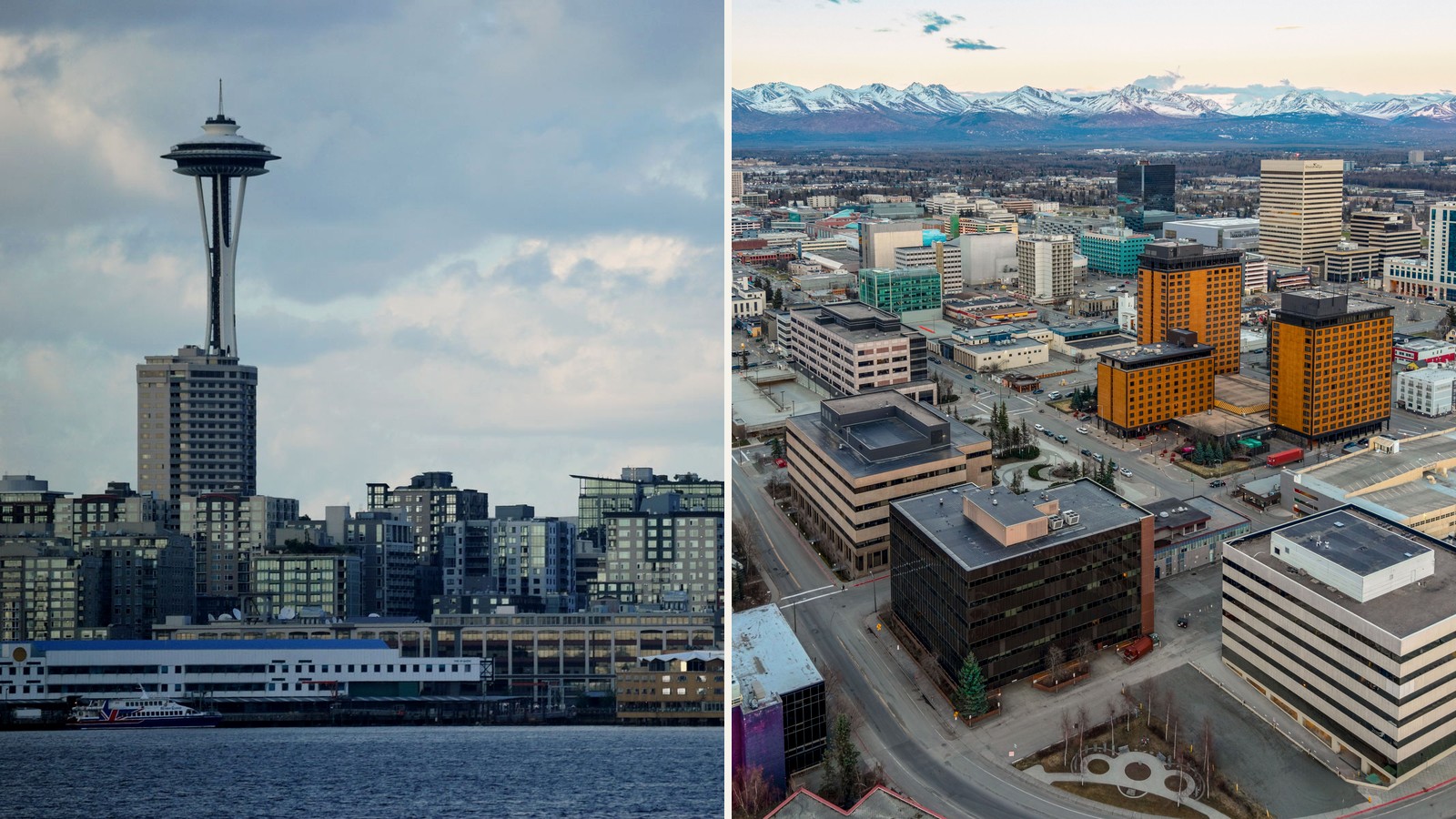
Key Takeaways
Easier outdoor access: Anchorage puts hiking, skiing, biking, water, and wild land closer to everyday life.
More urban depth in Seattle: Seattle offers broader transit, specialty services, dining, culture, and career options.
Housing can cost less: Anchorage is generally less expensive overall, although groceries, utilities, and healthcare can cost more.
Winter is different: Seattle rain does not fully prepare you for Anchorage snow, ice, cold, and limited winter daylight.
Buy for Alaska conditions: Evaluate heating, snow management, storage, drainage, seismic risk, and winter access—not just price and appearance.
In This Guide
- Two Different Versions of Outdoorsy
- What Anchorage Does Better
- What Seattle Relocators May Miss
- Weather, Seasons, and Building a Winter Life
- Seattle vs. Anchorage Costs
- Housing Differences Buyers Should Understand
- Choosing Where to Live
- Daily Life and Community
- Travel, Shipping, and the Seattle Connection
- Should You Rent or Buy?
- Who Usually Thrives in Anchorage?
- 7 Questions Before You Move
- Frequently Asked Questions
Seattle and Anchorage Attract Outdoorsy People—but Not the Same Kind of Outdoorsy
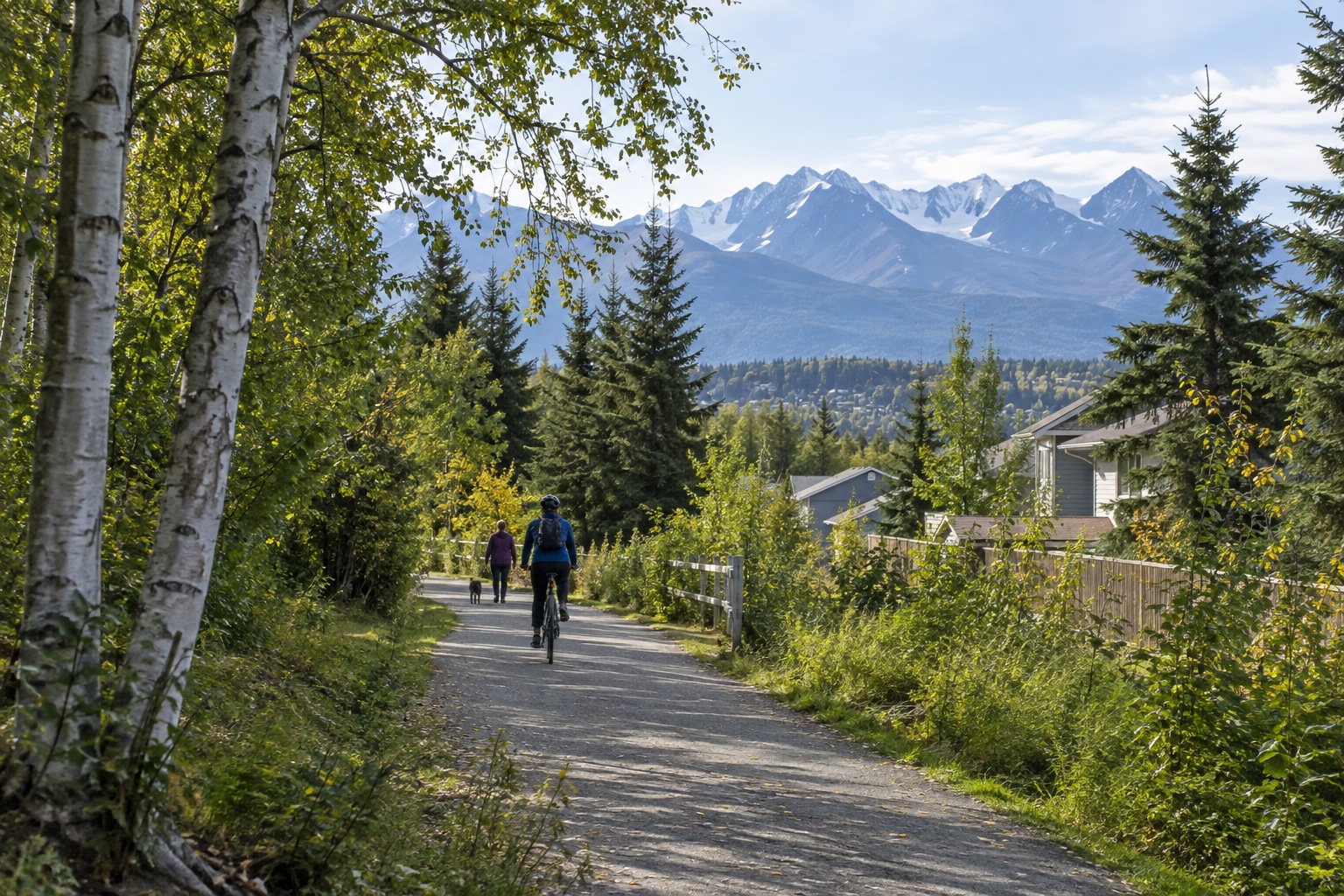
Seattle and Anchorage both attract people who organize their lives around the outdoors. The difference is how much planning it takes to use it. From Seattle, reaching the mountains can mean traffic, ferry schedules, trailhead parking, reservations, or a very early alarm. The destinations are spectacular, but getting there is often an event. In Anchorage, outdoor life begins inside the city. The Coastal Trail, Chester Creek Trail, Campbell Creek Trail, Kincaid Park, Far North Bicentennial Park, and numerous ski routes run through the Anchorage Bowl. The edge of the Chugach is minutes from residential neighborhoods, and Chugach State Park covers nearly half a million acres immediately beside the city. You can finish work and go skiing, biking, hiking, paddling, skating, or fishing without turning the outing into a full-day production. That does not mean Alaska recreation is always easier. Trails can be less marked, weather changes quickly, wildlife awareness matters, and some activities require more preparation and self-reliance. Anchorage removes much of the urban friction, but Alaska adds its own responsibilities.The Practical Difference
Seattle outdoors
Extraordinary destinations, with more traffic, reservations, and advance planning.
Anchorage outdoors
Less polished and more self-reliant, but woven directly into ordinary weekdays.
What Anchorage Does Better Than Seattle
Anchorage makes outdoor access unusually easy to use in everyday life. You do not necessarily become more outdoorsy after moving here. You may simply hike, ski, bike, fish, or paddle more often because those activities require less driving, less traffic, and less advance planning. Anchorage also makes the city itself easier to navigate. Most cross-town trips are relatively short, parking is rarely a major undertaking, and it is possible to combine work, errands, and recreation without losing hours to congestion. For homebuyers, the difference can be even more meaningful. A budget that may purchase a condominium or require a long commute in Seattle can open substantially more options in Anchorage. Garages, yards, storage, mountain views, and access to trails become realistic priorities instead of luxuries reserved for the highest price brackets. Anchorage is also more informal. People tend to care less about professional polish and more about whether you are dependable, capable, and willing to participate. Social connections often grow through repeated activities: skiing, biking, volunteering, neighborhood relationships, children’s activities, and the rituals of getting through winter together.What Seattle Relocators May Miss in Anchorage
Anchorage is a regional center, but it is not a smaller version of Seattle. Seattle relocators may miss the sheer depth of choices: neighborhood restaurants, live music, major cultural events, international shopping, specialty medical care, frequent public transportation, and the ability to find almost any product or professional service locally. Anchorage has excellent restaurants, independent shops, breweries, museums, performing arts, and community events. What it does not have is Seattle’s scale. You may find a favorite neighborhood restaurant, but not five alternatives within walking distance. A specialist appointment may require a long wait or a trip south. A particular piece of furniture, construction material, appliance, or specialty ingredient may need to be ordered. Public transportation is another adjustment. Anchorage has a municipal bus system and a growing network of multiuse trails, but most households find a vehicle necessary. Walking and transit-oriented living are possible in selected locations, especially near downtown and Midtown, but they are not the default citywide. The adjustment is easier when you stop measuring Anchorage by how many Seattle options it lacks and start noticing what replaces them: shorter drives, easier parking, familiar local businesses, outdoor recreation close to home, and a community small enough that people begin recognizing one another.Related Article:Can You Live in Anchorage Without a Car?
Weather and Seasons: Build a Winter Life
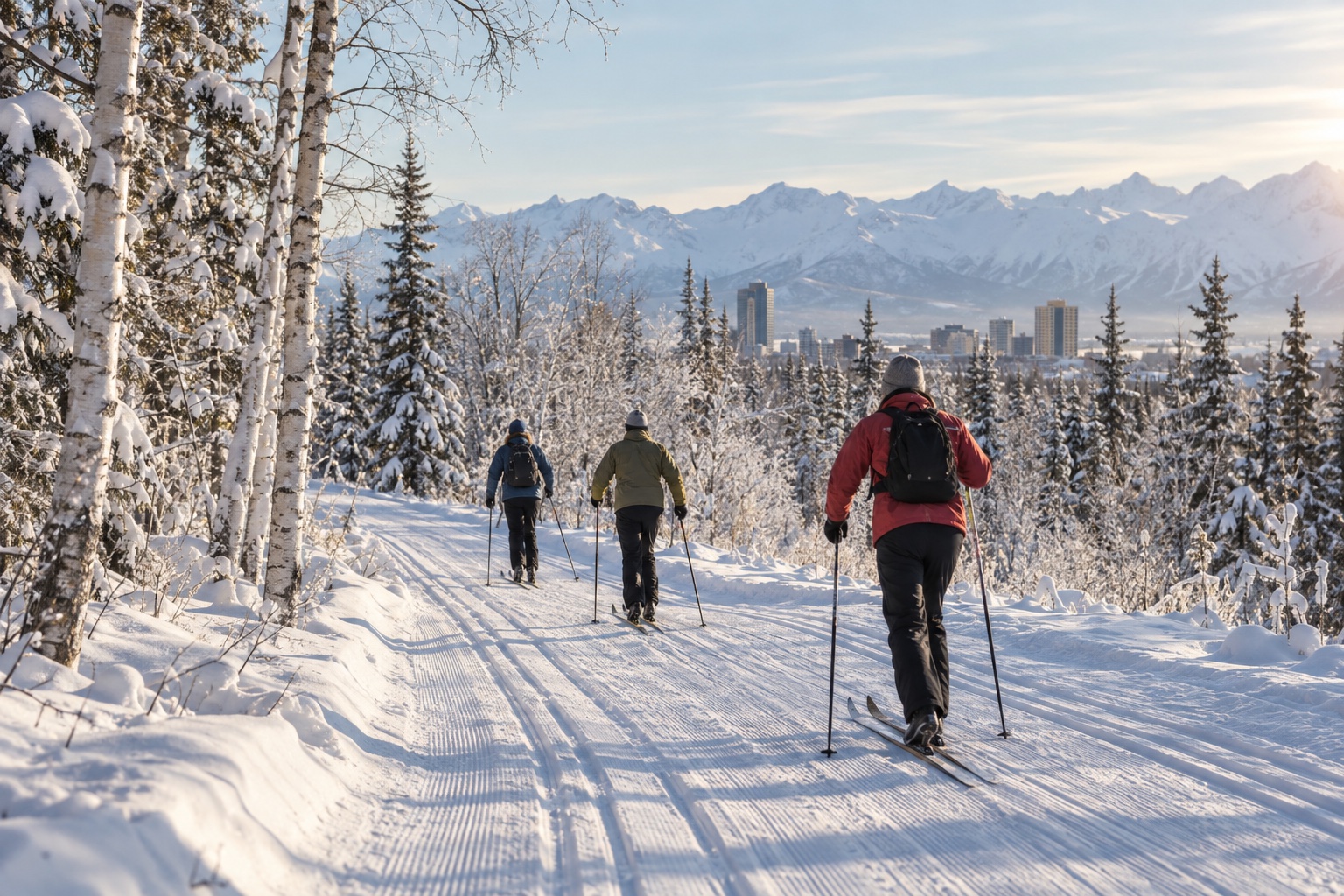
Seattle’s rain does not fully prepare you for Anchorage winter, but Anchorage weather is not simply a colder and darker version of Seattle. Spring and fall can still be wet. During the shoulder seasons, Anchorage gets rain, mud, slush, freeze-thaw cycles, and days when neither the trails nor the roads are especially pleasant. Breakup—the transition from winter to spring—is particularly messy. Once winter settles in, however, the rain generally gives way to snow. Snow reflects the limited daylight, and clear, cold days can feel brighter than a wet Seattle winter. Many people find that combination more bearable than persistent cold rain, provided they are prepared for the temperature and darkness. The statistical difference is substantial. Seattle-Tacoma International Airport’s 1991–2020 climate normals show about 6 inches of annual snowfall. Anchorage averages closer to 78 inches. Near the December solstice, Seattle receives approximately 8 hours and 25 minutes of daylight. Anchorage receives about 5 hours and 28 minutes. The low sun angle also creates long periods of twilight, but the difference affects energy, routines, and mood. The best response is not to wait for winter to end. It is to build a winter life.How to Build a Winter Life
Choose a Winter Activity
Dress for Comfort, Not Optimism
Use the Daylight
Put Social Plans on the Calendar
Let Summer Be Intense
Cost of Living: Real Numbers for a Seattle-to-Anchorage Move
Anchorage is not inexpensive, but the housing difference can make it substantially less expensive than Seattle. The numbers below are planning benchmarks based on 2026 data. Housing prices, fuel costs, insurance premiums, utility consumption, and tax districts change, so verify them before making a final moving budget.| Cost | Anchorage | Seattle |
|---|---|---|
| Median home sale price1 | $465,000 | $874,000 |
| Two-bedroom rent2 | $1,850/mo. | $2,660/mo. |
| Groceries, family of four3 | $1,276/mo. | $1,025/mo. |
| Electricity4 | $80–$150/mo. | $124/mo. |
| Natural gas5 | $100 summer / $350 winter | $90/mo. avg. |
| Regular gasoline6 | $5.02/gal. | $5.71/gal. |
| Individual Marketplace premium7 | $1,043/mo. | $738/mo. |
| General sales tax8 | 0% | 10.55% |
| Property tax on median home9 | $7,235/yr. | $8,664/yr. |
Housing Differences Seattle Buyers Should Understand
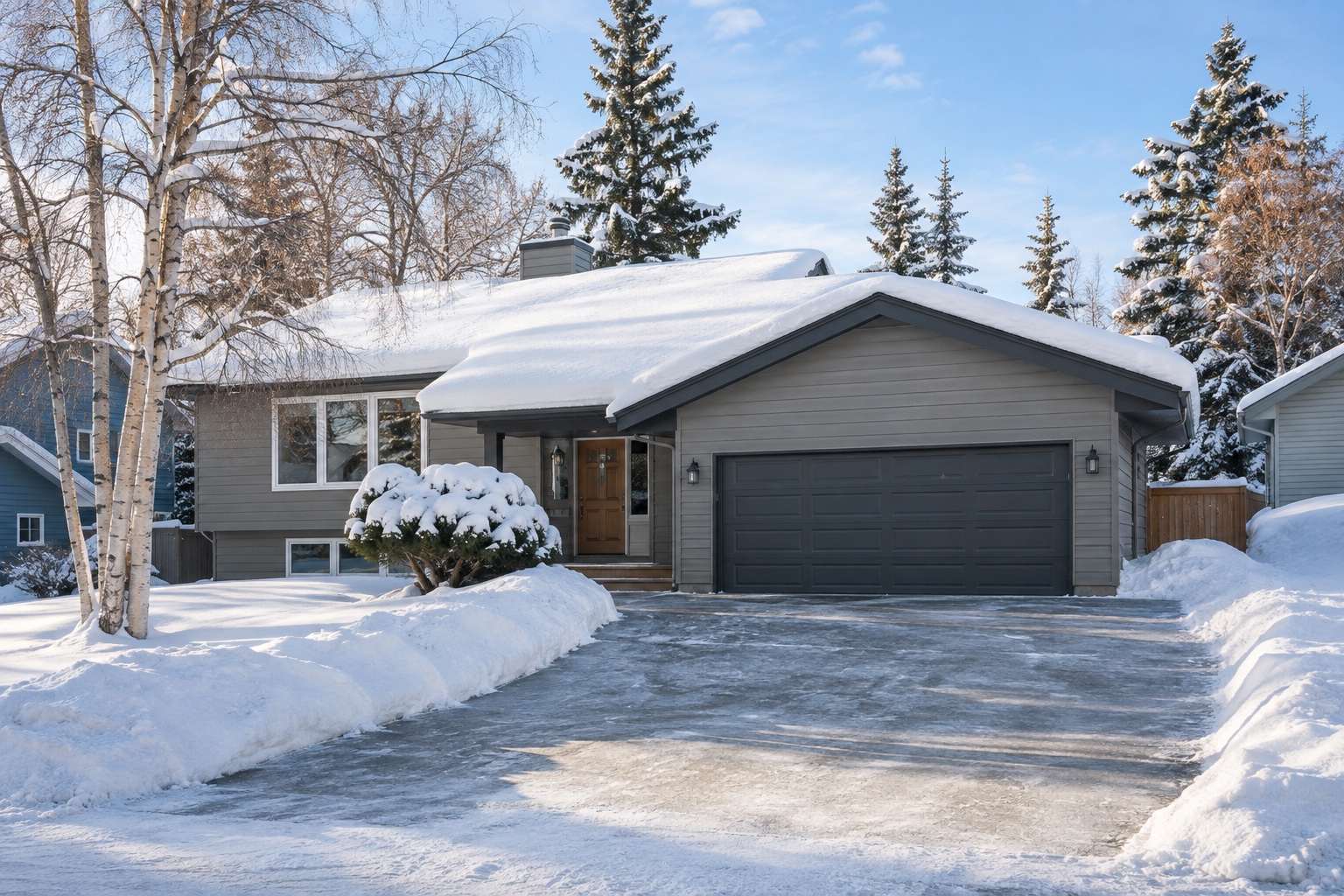
A Seattle buyer may immediately notice how much more space an Anchorage budget can purchase. The less visible differences are often more important. Start with the roof. Snow accumulation adds weight, and repeated melting and refreezing can create an ice dam.What Is an Ice Dam?
Heat escaping through the attic melts the bottom layer of roof snow. That water runs toward the colder eaves and freezes into a ridge. The ridge blocks later meltwater, which can back up beneath the shingles and leak into the house.
- How old are the furnace, boiler, water heater, and roof?
- What were the last 12 months of gas and electric bills?
- Is there adequate storage for tires, skis, bicycles, snow blowers, and seasonal gear?
- Who plows the street, driveway, and shared parking areas?
- Does the driveway become difficult when icy?
- Are drainage and grading adequate during spring breakup?
- Has the property had water intrusion, frozen pipes, or foundation movement?
- Does the homeowners association maintain roofs, snow removal, and exterior components?
- Has the home had a professional seismic evaluation or relevant structural improvements?
Choosing Where to Live in Anchorage
Anchorage neighborhoods are less about finding a Seattle equivalent and more about deciding how you want to use the city.Start With the Life You Want
Daily Life, Community, and Social Life After Seattle
Anchorage can feel quiet after Seattle. That is not the same as feeling empty. The social scene is smaller, more recurring, and often activity-based. Instead of constantly selecting from new events, people tend to return to the same ski trails, breweries, volunteer groups, climbing gyms, dog parks, neighborhood gatherings, and community organizations. That repetition helps relationships form. You see the same people, and eventually they stop being strangers. The tradeoff is that building community may require initiative. Anchorage does not always provide the density or spontaneous street life that creates effortless social interaction. Joining something—especially during the first winter—is often more effective than waiting for a social circle to appear.Travel, Shipping, and the Seattle Connection
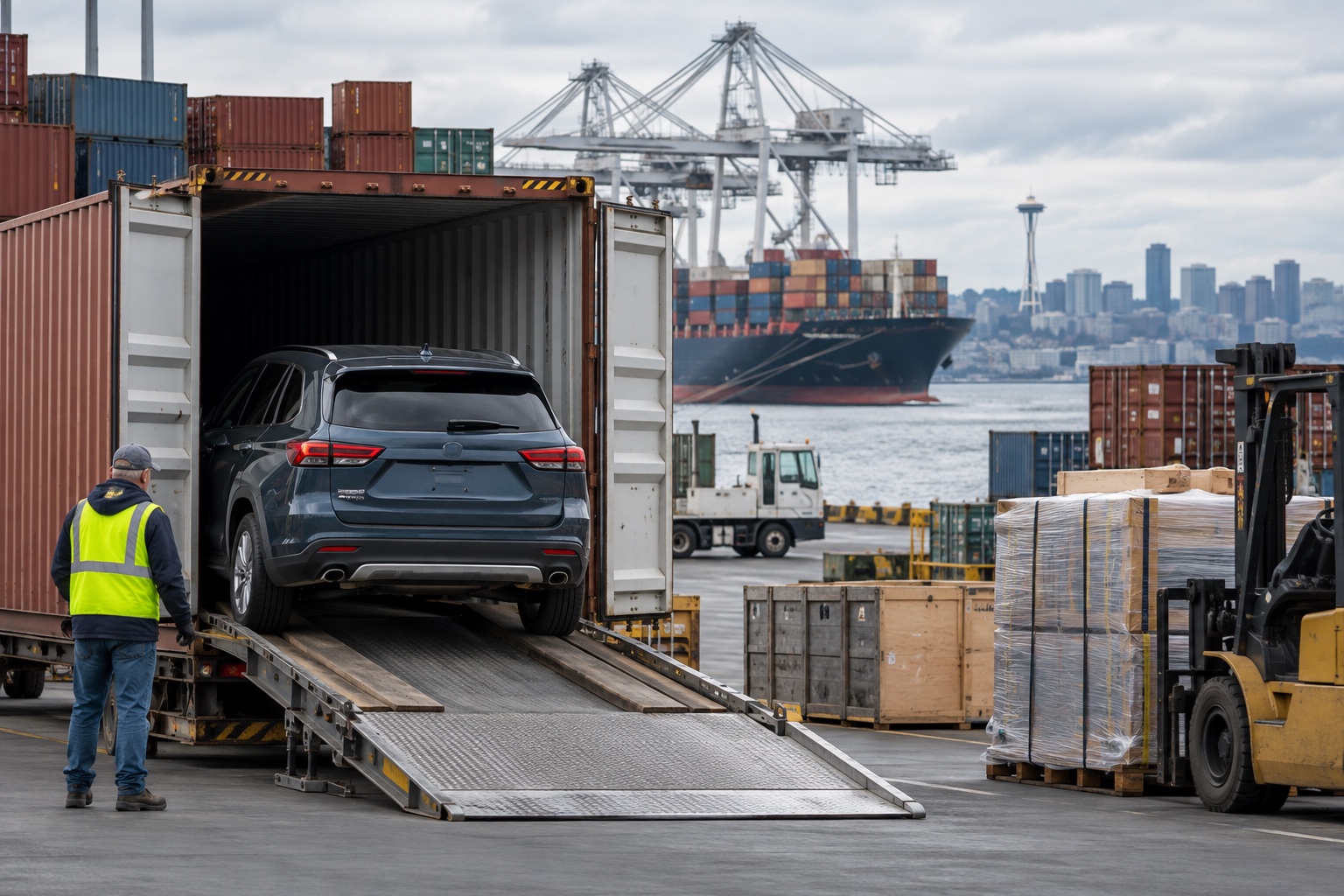
Anchorage is remote by road, but its relationship with Seattle makes it less isolated than a map may suggest. A nonstop flight between Anchorage and Seattle is generally around three and a half hours, and both cities are major Alaska Airlines hubs. Seattle functions as Anchorage’s primary connection to the Lower 48 for flights, specialized healthcare, shopping, business, and freight. That connection makes it possible to maintain family, professional, or medical ties in Seattle, although frequent trips still require money and planning. It also creates practical shipping options. Carlile’s MyConnect service gives Alaska customers a Tacoma shipping address. You can order from many Lower 48 retailers, have the purchase delivered to Tacoma, and then pay to have it forwarded to the Anchorage terminal. This can be useful for furniture, building materials, appliances, and products that retailers will not ship directly to Alaska. Vehicle shipping is also common. A reasonable preliminary budget for shipping a standard running vehicle from the Seattle-Tacoma area to Anchorage is approximately $1,500 to $2,500. Oversized vehicles, nonrunning vehicles, enclosed transportation, storage, and seasonal demand can raise the price. Obtain a current terminal-to-terminal quote before comparing shipping with selling and replacing the vehicle. When ordering anything large, compare the complete landed cost: purchase price, Lower 48 delivery, freight to Anchorage, terminal fees, and transportation from the terminal to your home.Calculate the Landed Cost
Purchase price + Lower 48 delivery + freight to Anchorage + terminal fees + final transportation to your home.
Should You Rent First or Buy Right Away?
Renting first is not automatically safer, and buying immediately is not automatically a mistake. The right decision depends on how much you already understand about Anchorage and how long you expect to stay.A Better Rent-or-Buy Test
| Buying Sooner May Fit When… | Renting First May Fit When… |
|---|---|
| Your employment is stable, and you expect to remain for several years. | Your job or long-term plans may change soon. |
| You understand Anchorage neighborhoods and winter conditions. | You have seen Anchorage mainly during summer. |
| You know which daily destinations will shape your routine. | You are still deciding which part of the city fits you. |
| You understand the property’s maintenance demands. | You want time to learn about winter homeownership. |
| You have cash reserves beyond the down payment. | Purchasing would consume most of your available cash. |
| The available homes meet your real needs. | Anchorage only feels urgent because it looks inexpensive after Seattle. |
Who Usually Thrives in Anchorage?
Anchorage tends to fit people who are comfortable trading metropolitan abundance for access, space, and participation. You are more likely to thrive if you enjoy being outside in multiple seasons, can tolerate fewer consumer choices, are willing to drive, and see winter as something to build a life around rather than merely survive. You do not need to be an extreme adventurer. You do need curiosity, flexibility, and some willingness to become more self-reliant.Anchorage May Fit You If You Want…
7 Questions to Ask Yourself Before Moving from Seattle to Anchorage
Moving to Anchorage works best when you choose it for what it is—not because you expect a colder, less expensive version of Seattle.Before You Commit
Planning a Move From Seattle to Anchorage?
Neighborhood choice here affects winter driving, trail access, storage, home maintenance, and how easily Anchorage fits your daily life.
I help relocating buyers compare those tradeoffs before they commit to a house or neighborhood.
Ask a Local Before You MoveFrequently Asked Questions
Is Anchorage less expensive than Seattle?
How long is the flight from Seattle to Anchorage?
Is Anchorage winter harder than Seattle winter?
Can I live in Anchorage without a car?
Should I rent before buying?
Which Anchorage neighborhoods are best for Seattle movers?
How much does it cost to ship a car from Seattle to Anchorage?
Can I order furniture and other large items from the Lower 48?
1 Citywide median sale prices based on recent Redfin data for Anchorage and Seattle, not prices for a specific three-bedroom, two-bathroom home.
2 Recent Zillow asking-rent averages for a two-bedroom home in Anchorage and Seattle.
3 USDA July 2026 Thrifty Food Plan for two adults and two children, with meals and snacks prepared at home. Anchorage includes the Alaska adjustment; Seattle uses the contiguous-state benchmark. USDA food-cost data.
4 Anchorage is a practical household range. Seattle is Seattle City Light’s 2026 single-family electric-heat example. Actual bills depend on consumption, heating system, and property size.
5 Anchorage is a practical seasonal estimate. Seattle is an average residential natural-gas benchmark. Home size, insulation, furnace efficiency, thermostat settings, and weather materially affect either bill.
6 Mid-September 2026 averages. Gasoline prices change frequently.
7 Statewide 2026 average Marketplace premium per person before subsidies or tax credits. Actual premiums depend on age, location, plan tier, tobacco use, and household circumstances. KFF Marketplace premium data.
8 Anchorage has no general sales tax, although targeted taxes apply. Seattle’s combined rate was 10.55% in the third quarter of 2026.
9 Before exemptions. Anchorage uses the 2026 City/Anchorage Tax District 1 rate of 15.57 mills applied to the median home price; other service areas differ. Seattle uses $9.90845 per $1,000 applied to its median home price; some levy codes are higher.
Check out this article next


Leave a Reply