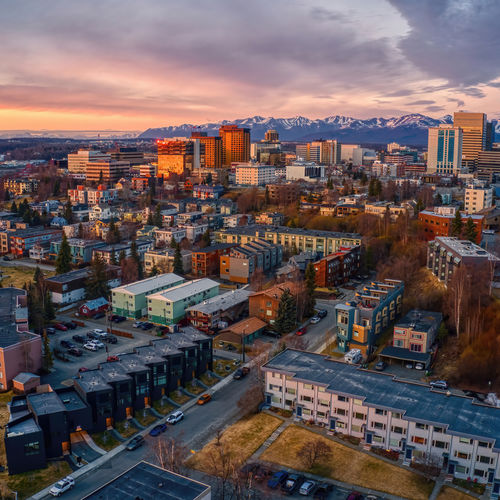
Most “extend your patio season” articles were written for Portland or Denver. Anchorage is a different animal. By late August, evenings are already cooling fast. September brings rain and wind. By October, you are watching daylight disappear earlier than feels reasonable.
But here is the thing: Anchorage people do not just pack it in when summer ends. You probably already know that. The question is how to set up your outdoor space so it actually works when the seasons shift.
A note on sources: the Anchorage weather figures below come from NOAA climate records and normals accessed in 2025. Municipal code and fire-safety references were current when this guide was prepared and should be rechecked before a new installation.
The Short Version
Start with fire: A fire pit is the single best upgrade for getting more time outside in fall and winter. Everything else can build around it.
Plan for two seasons: September and October are mostly about rain and wind. November onward is about cold, darkness, snow, and clear pathways.
Block wind first: Shelter makes heaters, fires, furniture, and people more comfortable.
Light in layers: Good path, task, and ambient lighting changes dark evenings from something to endure into something you want to use.
Think about winter movement: Roof-shed zones, shovel routes, gates, and storage matter as much as seating.
Buyers notice practical features: Covered decks, gear storage, lighting, and fire pits tend to read well. Hot tubs are more personal.
Plan wellness features early: Saunas and hot tubs can transform winter, but electrical capacity, deck structure, access, and drainage need attention.
In This Guide
- Anchorage Has Two Outdoor-Living Seasons to Plan For
- Build a Layout That Works With Wind, Water, and Snow
- Choose the Right Fire Pit or Heater
- Use Outdoor Lighting to Make Dark Evenings Inviting
- Which Outdoor Features Appeal to Anchorage Buyers?
- Saunas, Cold Plunges, and Hot Tubs
- Frequently Asked Questions
Anchorage Has Two Outdoor-Living Seasons to Plan For
People relocating from the Lower 48 sometimes assume outdoor living here wraps up in August. It does not. But you do need to think about it in two distinct phases.
The shoulder season, September through October, is mostly a rain and wind problem. Temperatures are still workable. You are not buried in snow yet, but wet furniture and gusty evenings make an unprepared setup miserable fast. The goal here is staying dry and blocking wind.
Winter is a different challenge entirely. Here is what Anchorage weather typically looks like across those months:
| Month | Mean Temp | Precipitation | Snowfall |
|---|---|---|---|
| September | 49.3°F | 3.10 in | 0.4 in |
| October | 36.3°F | 1.82 in | 5.6 in |
| November | 23.6°F | 1.19 in | 12.6 in |
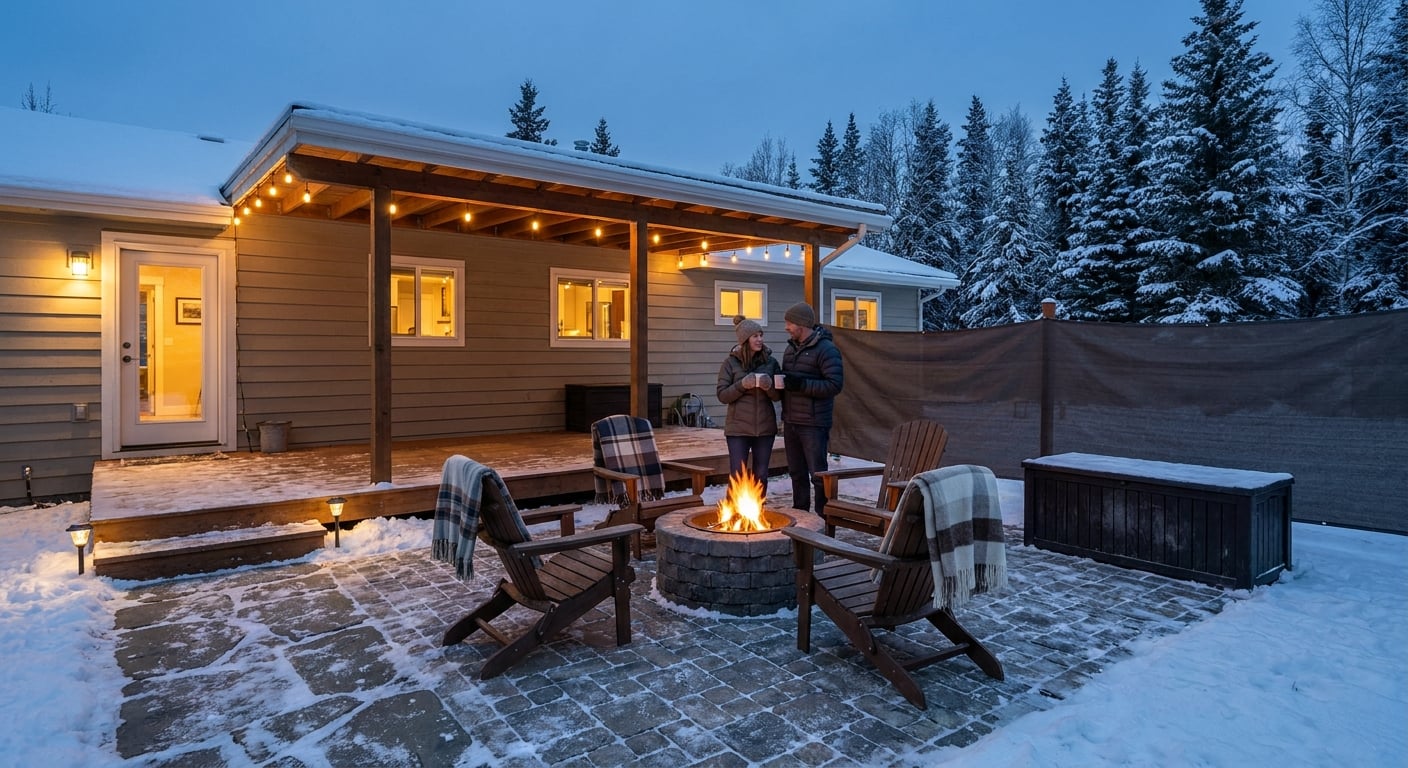
Once you hit November, the conversation shifts. It is cold, it is dark early, and snow needs somewhere to go. But Anchorage people genuinely use their outdoor spaces in winter. Standing around a fire in January, fully bundled, hot drink in hand, just talking with friends? That is a real thing here. Your setup just needs to support it.
Build a Layout That Works With Wind, Water, and Snow
Make the Space Easy to Reach
The best outdoor setups I have seen in Anchorage are not the most elaborate ones. They are the ones that are easy to actually use. You want to walk outside without a production.
That usually starts with building around your most natural exit—a back door off the kitchen or a side door near the mudroom—and keeping that path clear all winter.
Block the Wind First
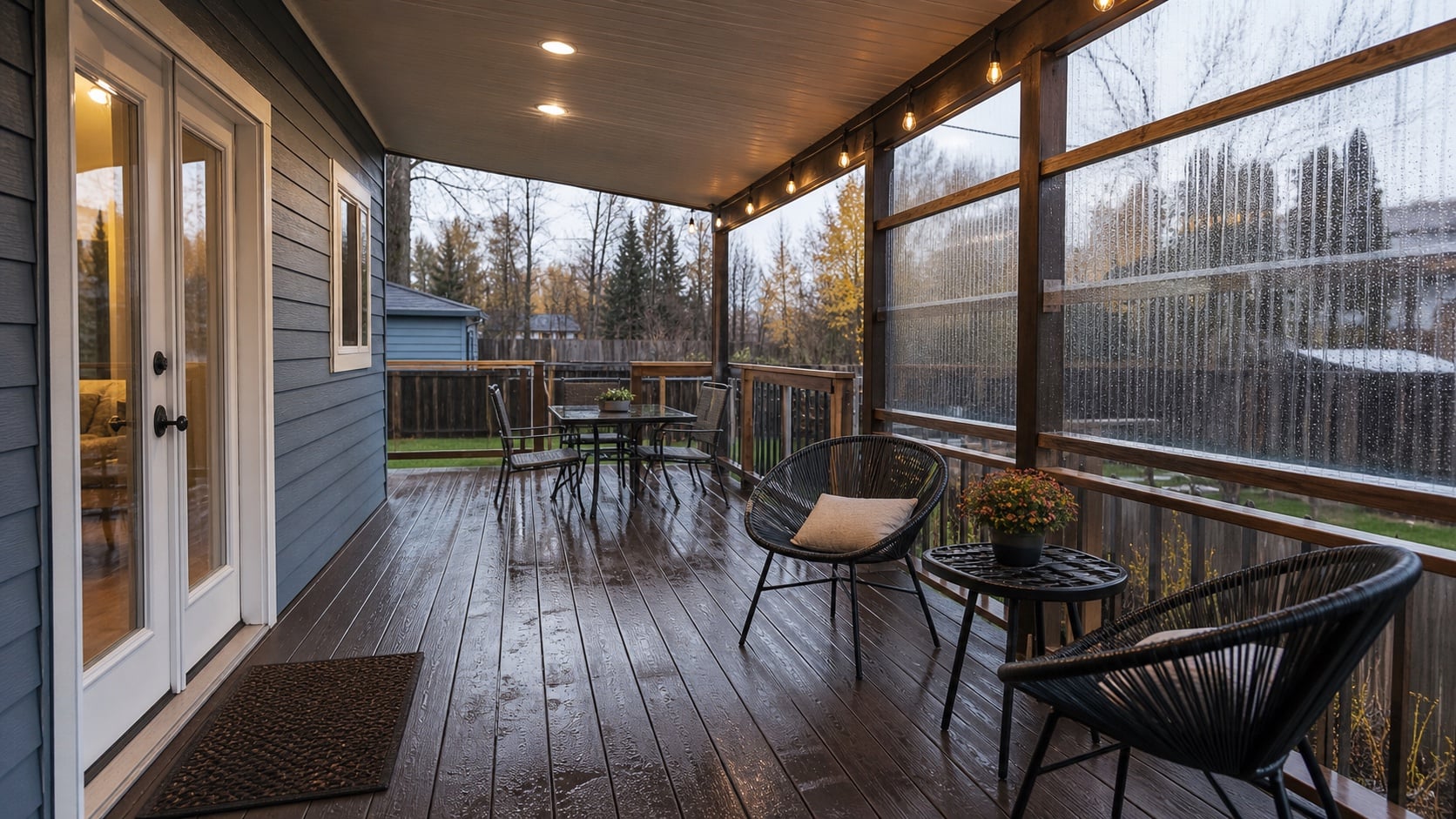
Block the wind before you do anything else. A propane heater in an exposed backyard on a September evening is mostly warming the air around it. Wind screens, solid fencing, a covered overhang, or dense plantings on the windward side make everything else work better.
This matters more in some spots than others. If you are on the upper Hillside or out in the Valley, wind exposure is a real factor. A 2025 weather event produced gusts between 35 and 50 mph across parts of Anchorage. A covered porch out there is not a luxury. It is what makes the space usable.
Design for Freeze-Thaw Cycles
Anchorage’s freeze-thaw cycles are rough on outdoor materials. Water pools, freezes, and turns into ice exactly where you do not want it.
- Positive drainage away from seating: Water sitting under furniture is ice by morning.
- Textured walking surfaces: Smooth pavers get slick fast. Brushed concrete or textured stone is much safer.
- Sealed concrete and corrosion-resistant hardware: Cheap materials will not survive many winters here.
- Removable outdoor rugs: Great for fall, but store them before the first real snow.
Map Roof-Shed and Shovel Zones
This one catches people off guard until the first big dump. Where does roof snow land? Where are you shoveling to? Is your gate accessible in February?
Map out your roof-shed zones before you place furniture or build anything permanent. A fire pit sitting directly under a roof edge becomes a headache in January. If you are adding structural elements, make sure they meet Anchorage’s current building code requirements, particularly around snow loads.
Choose Movable Furniture and Useful Storage
You do not need expensive outdoor furniture. You need furniture that is easy to move, easy to cover, and comfortable enough that people actually want to sit in it. A good outdoor couch with cushions you can cover, some blankets that live in a waterproof deck box, and one solid warming lamp go a long way. Costco usually has warm-toned bulb lamps at a price that makes sense.
Gear storage is something buyers notice immediately in Anchorage listings. Skis, bikes, sleds, and waders need somewhere to go. A covered area, even a simple lean-to, is genuinely useful and shows well.
Choose the Right Fire Pit or Heater
A fire pit is, in my opinion, the single most impactful upgrade you can make for getting more time outside here. Fall is obvious. But even in January, people will stand or sit around a fire in full winter gear, just hanging out, hot coffee in hand. It changes the whole feel of being outside.
The question is which type actually fits your setup.
Wood-Burning Fire Pits
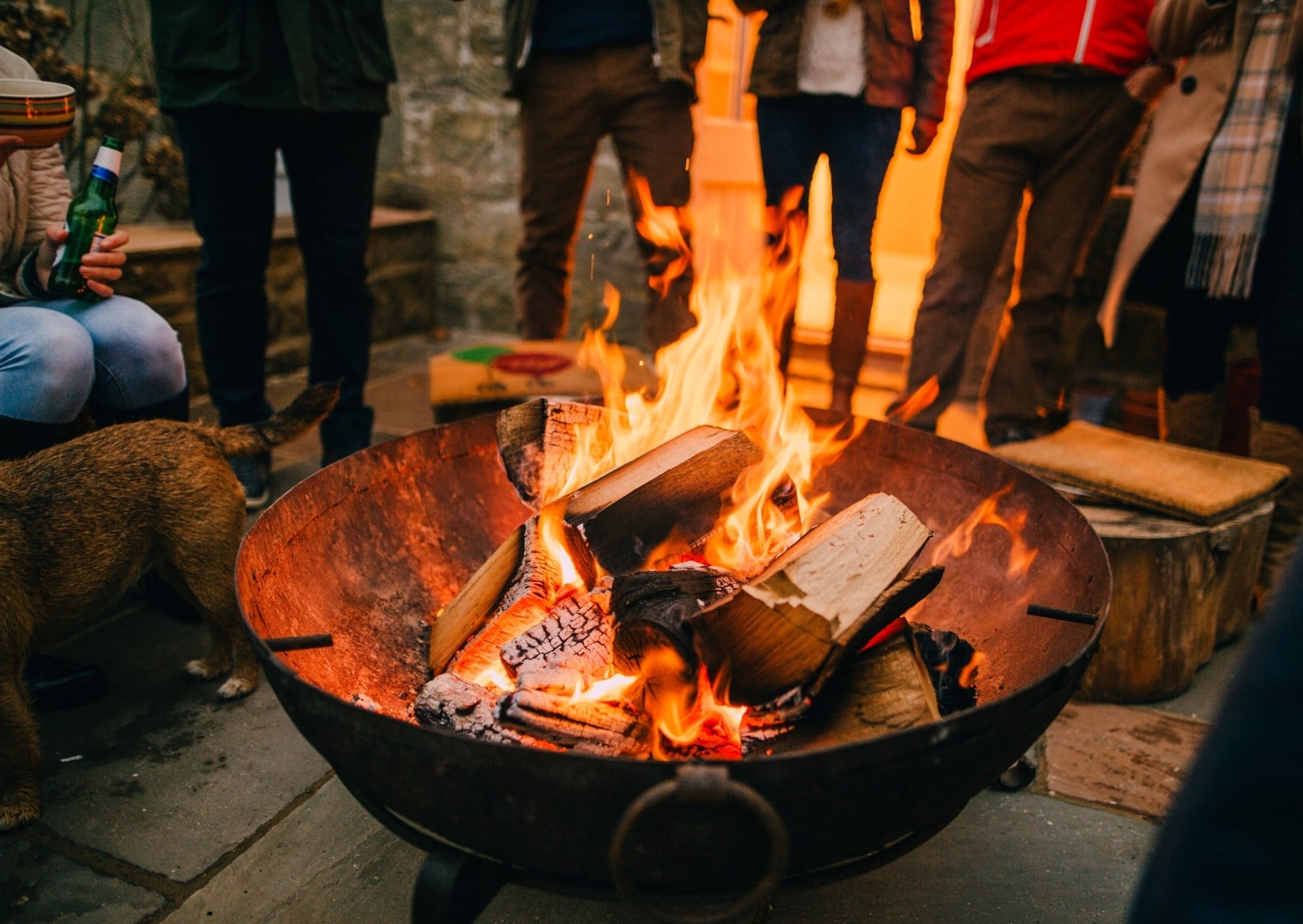
Wood fires feel right in Alaska. Real heat, real atmosphere, and honestly just the right vibe for sitting outside in the dark with friends.
The tradeoffs are real, though. You need dry firewood stored somewhere accessible. Sparks and ash need attention. Smoke drift toward neighbors is worth thinking about. Wind is also a factor: Anchorage Fire Department guidance recommends extinguishing open fires when winds exceed 10 mph, which rules out more evenings than you might expect.
Propane Fire Tables
Propane tables are fast and easy. Turn a knob and you have fire. There is no ash and no sparks, which makes them cleaner for a tighter space or a covered deck.
The limitation is heat output. Propane tables look great but do not put out the radiant warmth of a wood fire. In October, that may be fine. In January, you will want more. Also check tank storage in cold weather, snow clearance around the base, and any HOA or lease restrictions if you are in a multifamily building.
Electric Infrared Heaters
For a covered deck or a compact balcony, electric infrared heaters are worth a look. They heat people, not air, which makes them reasonably efficient in a sheltered spot.
The catch is that they need a dedicated weather-protected outlet and enough electrical capacity. Anchorage requires permits and inspection for new electrical wiring, so factor that in if you are adding outlets.
Use Outdoor Lighting to Make Dark Evenings Inviting
By mid-October, Anchorage is losing daylight fast. Good lighting does not just make your outdoor space safer. It makes the space feel worth being in. The goal is layering light, not flooding the yard with one bright fixture.
Path Lighting for Safety
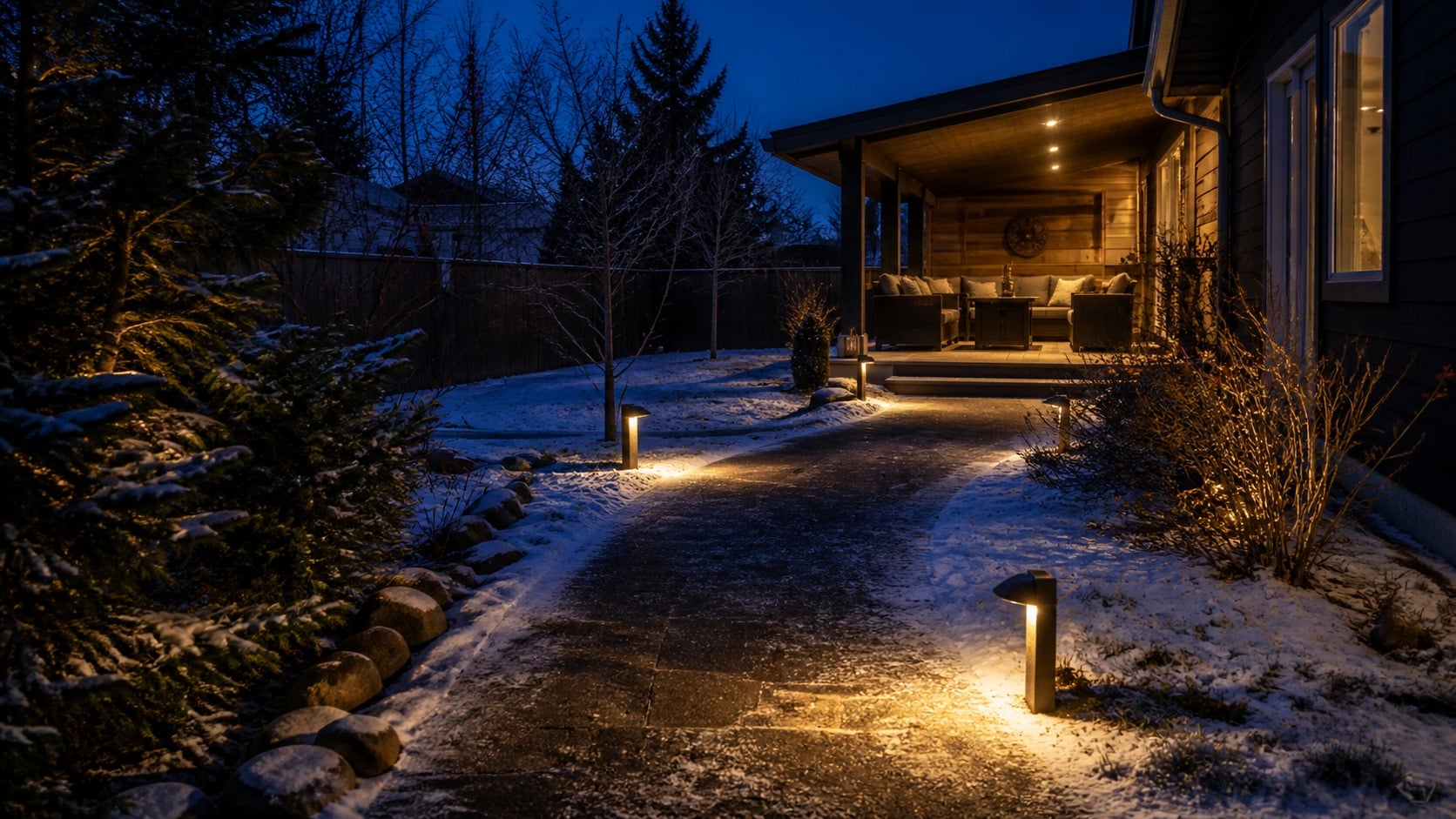
Steps, grade changes, and ice-prone spots are where people slip. Low path lighting along walkways, near hot tub access, and at gate entries makes a real difference.
Solar bollards have gotten surprisingly good. Even with Anchorage’s limited fall daylight, quality units can often recharge enough to stay bright through the evening. Check the manufacturer’s cold-weather rating and expected winter runtime before buying.
Task Lighting Where You Use It
Use a shielded fixture near the grill, something above the table, and a light at the drink station. Nothing elaborate—just enough to see without squinting.
Warm-toned Edison bulb string lights are inexpensive, look good, and can hold up through shoulder season without much fuss when they are rated for outdoor use and mounted securely.
Warm Ambient Light Near Seating
Downward-facing warm light near seating areas does a lot for the mood. It also respects Anchorage’s light-trespass guidelines, which discourage glare and spillover onto neighboring properties. Pointing light down rather than out is both better-looking and more neighborly.
Which Outdoor Features Appeal to Anchorage Buyers?
A well-set-up outdoor space that is clearly usable, safe in winter, and easy to maintain reads well to buyers in Anchorage.
National research from Zillow suggests outdoor fireplaces are associated with a sale premium, though a national figure does not reflect Anchorage specifically and does not translate directly into appraised value.
What I can tell you from working with buyers here is that a fire pit, good lighting, and gear storage get noticed. They signal that a home was lived in well and that someone thought about how to actually use the space.
If you are thinking about selling and want to make one or two practical upgrades, a fire pit and outdoor lighting are the combination I would choose. Keep the seating simple. Good blankets and cushions around a fire pit go a long way. Solar bollards or a few warm outdoor lamps add mood without a big budget.
Related Article:The Real Cost of Owning or Renting Property in Anchorage
Saunas, Cold Plunges, and Hot Tubs
This is where things get genuinely exciting if you are someone who wants to be outside year-round. A sauna or hot tub does not just extend your season. It makes winter something to look forward to.
These are not impulse purchases, though. They need real planning, ideally done in summer before the ground freezes.
You do not have to start with a permanent installation. A portable barrel sauna can sit on a properly evaluated deck or base. A plug-in hot tub can cost far less than a built-in model. A livestock trough filled with cold water is a legitimate cold plunge that costs almost nothing.
The point is that you can start somewhere modest. What matters is getting into the habit of using your outdoor space in winter, and these features make that a lot easier.
Barrel Saunas
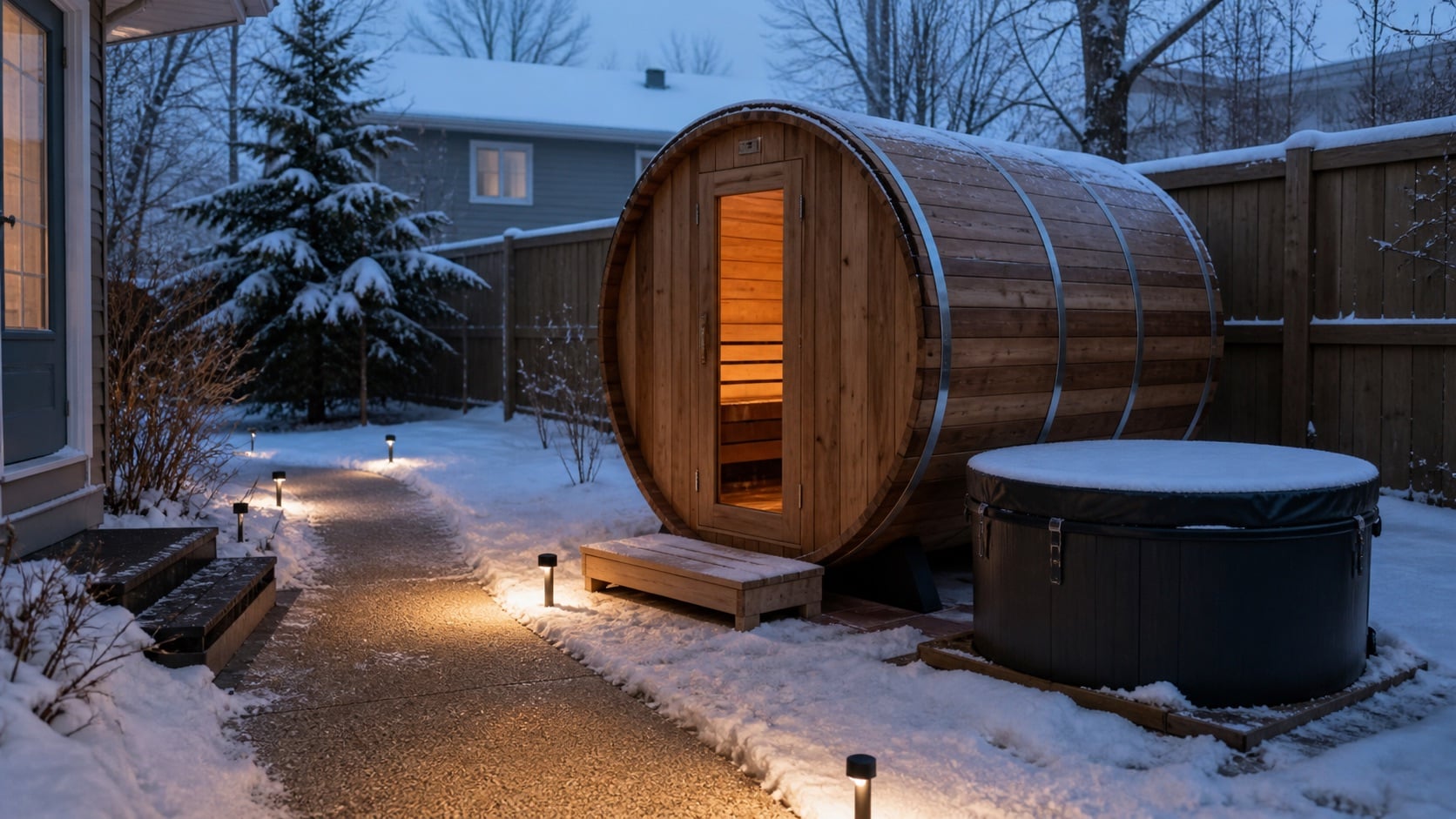
A barrel sauna on a deck or prepared base is a common starting point in Anchorage. Barrel saunas heat up quickly, do not always need a permanent foundation, and can be relatively affordable. Wood-fired models skip the electrical hookup entirely, although chimney, clearance, fire-safety, and local code requirements still apply.
If you are going more custom, plan for ventilation, a solid door seal, drainage, and a clear path from the sauna to wherever you are cooling down. That might be a cold plunge, a snowbank, or just the backyard.
Cold Plunges
Cold plunging sounds wild in Alaska, but it is genuinely popular among people who enjoy the contrast with heat. Options run the full range: lying in the snow after a sauna, filling a livestock trough, or installing a temperature-controlled plunge tub.
If you are new to it, start gradually and talk with a healthcare professional first if you have a heart, blood-pressure, circulation, or other relevant medical condition. The contrast can be intense.
Hot Tubs
A hot tub is probably the most socially appealing of these features. People gather around them naturally. They are great after a ski day, great for a low-key hangout, and there is something hard to beat about soaking under the Anchorage sky while the northern lights move overhead. Some of the best aurora displays in the city are visible right from a backyard.
From a buyer perspective, hot tubs are polarizing. In my experience, most buyers see a clean, well-maintained one as a positive. Others immediately think about energy costs, maintenance, and the space it takes up. It is not a guaranteed value-add, but a well-maintained hot tub on a deck or paver pad that can safely support it is generally well received.
Make sure your electrical panel, deck or base, access path, cover, and drainage are up to the job before you commit.
Wood-fired hot tubs are worth mentioning too. They take longer to heat, but they can cost less upfront and have a certain Alaska charm that fits the aesthetic well.
Thinking About Selling an Anchorage Home?
The best outdoor upgrades are not always the most expensive ones. A usable layout, good lighting, smart storage, and one warm gathering point can change how buyers experience a home.
If you are deciding what to improve before listing, I can help you focus on the updates that fit your property, season, and likely buyers.
Frequently Asked Questions
Do I need a permit for an outdoor fire in Anchorage?
Open fires larger than 3 feet by 2 feet may require an Anchorage Fire Department operational permit. Check the current rules, active burn restrictions, HOA requirements, and manufacturer clearances before your first fire.
Where should I store firewood through an Anchorage winter?
Indoor storage is best when it is safe and appropriate. Otherwise, use a ventilated waterproof container or covered rack that stays outside roof-shed and shovel zones and remains easy to reach after a snowfall.
Can outdoor string lights stay up all winter in Anchorage?
Yes, if the lights are rated for year-round outdoor use and mounted to handle wind and snow. Use protected connections, secure the strands well, inspect them each season, and do not rely on extension cords as permanent wiring.
Does an outdoor living space add resale value in Anchorage?
It can make a home more appealing and easier to sell, especially when the space is sheltered, safe, and simple to maintain. It usually will not appear as a separate line item in an appraisal, so think marketability rather than guaranteed cost recovery.
How can I keep fire-pit smoke from bothering neighbors?
Use dry firewood, keep fires on the smaller side, watch wind speed and direction, and stick to reasonable hours. Follow Anchorage Fire Department guidance and extinguish the fire if conditions become unsafe. A quick conversation with nearby neighbors also goes a long way.
Check out this article next