


Check out this article next
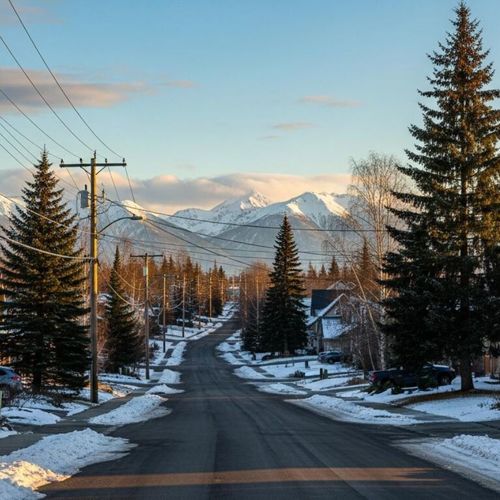
Anchorage is one of those places that sounds simple from far away. Mountains, moose, winter, no state income tax, expensive groceries, and a lot of outdoor access.
But the real pros and cons of living in Anchorage, Alaska are more specific than that.
Anchorage is not a tiny remote town, but it is also not a normal Lower 48 city. It has hospitals, Costco, an airport, universities, restaurants, trail systems, neighborhoods, and enough services to feel surprisingly functional day to day. At the same time, it is still geographically far from almost everywhere, more expensive than many people expect, and shaped by winter, logistics, limited housing inventory, and seasonal routines.
If you are early in the process of moving to Anchorage, it helps to understand the city as a set of tradeoffs rather than a simple yes-or-no decision.
I live in Anchorage, work in real estate here, and help people think through whether this city actually fits their life. So this is not meant to be a generic list of “Alaska is beautiful but cold.” It is a practical, local guide for relocators, people moving within Alaska, and home buyers trying to decide whether Anchorage makes sense.
Yes, Anchorage can be a very good place to live, but only if the tradeoffs match the life you want.
It is a strong fit for people who value outdoor access, shorter commutes, practical city services, seasonal living, and proximity to mountains, trails, water, and wilderness. It can be a harder fit if you want cheap living, warm weather, big-city nightlife, abundant shopping, frequent direct travel, or a highly walkable urban lifestyle.
The biggest pros of living in Anchorage are access to nature, manageable commutes, no state income tax, no Anchorage sales tax, and a lifestyle that can feel unusually connected to the seasons.
The biggest cons are the cost of living, geographic isolation, long winters, limited options in some services and products, older housing stock, and the fact that most people still need a car.
The Main Tradeoffs
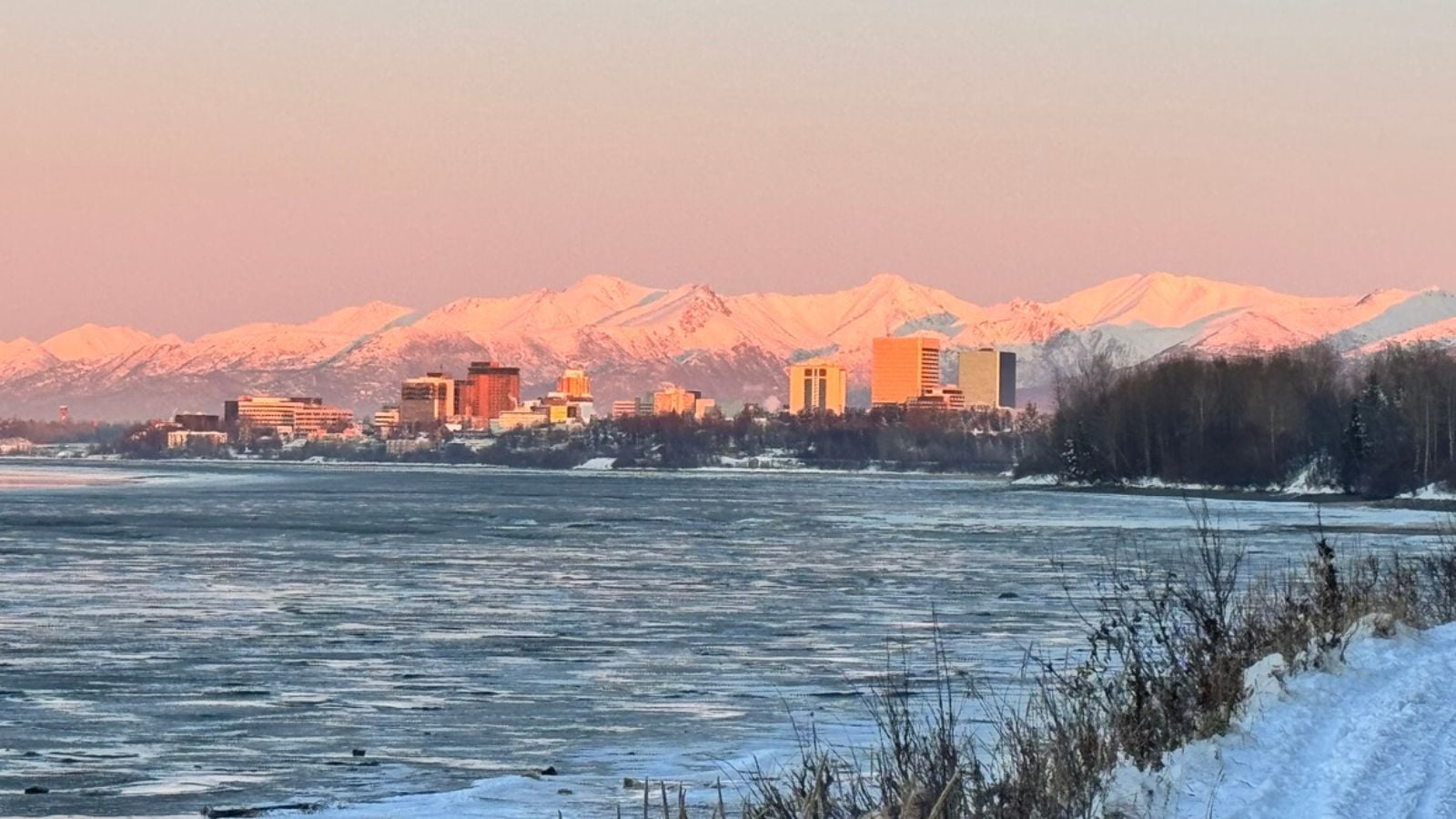
Anchorage gives you rare access to trails, mountains, skiing, biking, fishing, and water without leaving the city. That access is one of the main reasons people fall in love with living here.
Anchorage is not cheap just because it is remote. Housing, groceries, restaurants, healthcare, insurance, repairs, and travel can all cost more than relocators expect.
Anchorage is Alaska’s largest city, but it is still far from most of the country. Travel, shipping, specialty services, and family visits often take more planning.
The light changes everything. Winter is not just cold. Summer is not just warm. Your routines, energy, hobbies, mood, and social life all start responding to the seasons.
The best parts of living in Anchorage are not just scenic. They affect ordinary life.
This is where Anchorage can be hard to explain from the outside. The mountains are beautiful, but the bigger benefit is that you can actually use them. The city is smaller than many Lower 48 metros, but that can make daily life easier. The seasons are intense, but they can also make life feel more textured and memorable.
For the right person, Anchorage offers a rare combination of city function and outdoor access.
This is probably the clearest advantage of living in Anchorage.
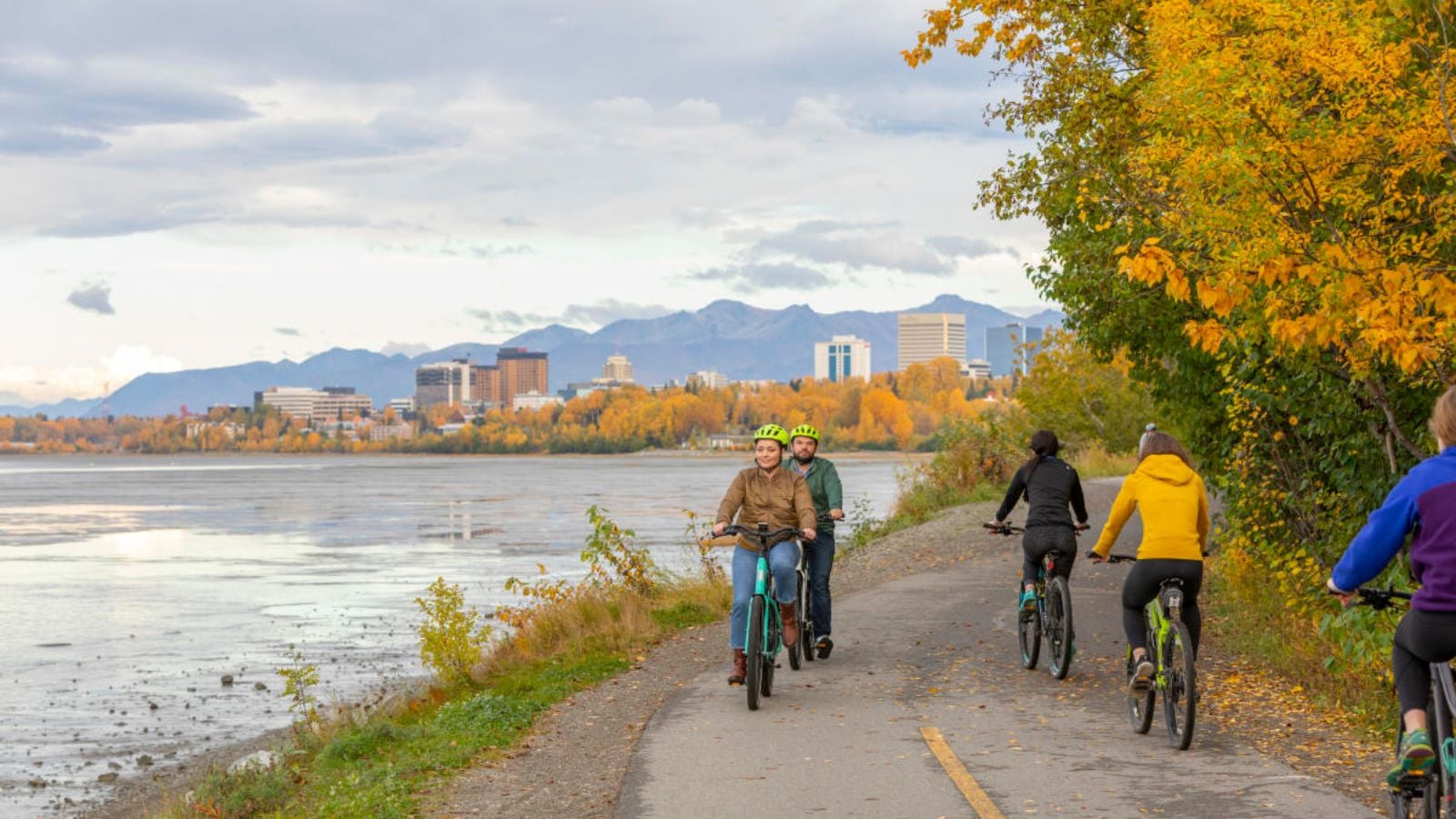
You do not have to plan a full weekend trip to feel like you are outside. Depending on where you live, you may be close to the Coastal Trail, Kincaid Park, Campbell Creek Trail, Far North Bicentennial Park, local ski trails, lakes, trailheads, or quick access into the Chugach.
That changes daily life. A bike ride after work, a ski before dinner, a walk by Westchester Lagoon, a quick trail run, a weekend fishing trip, or a drive down Turnagain Arm can become realistic instead of aspirational.
This is where Anchorage feels different from many places in the Lower 48. It is not just that Alaska is beautiful. It is that the outdoors can be woven into your weekly routine if you choose the right neighborhood and build your life around it.
Related Article: Best Anchorage Neighborhoods for Biking
Another underrated advantage of living in Anchorage is that daily distances can be manageable.
According to Census QuickFacts, the mean travel time to work in Anchorage is 18.8 minutes. That does not mean every commute is easy, and winter can absolutely change the feel of a drive. But compared with many larger cities, the Anchorage Bowl can make daily life feel less consumed by traffic.
You can often get from home to work, errands, trailheads, the airport, restaurants, and friends without spending your whole day in the car.
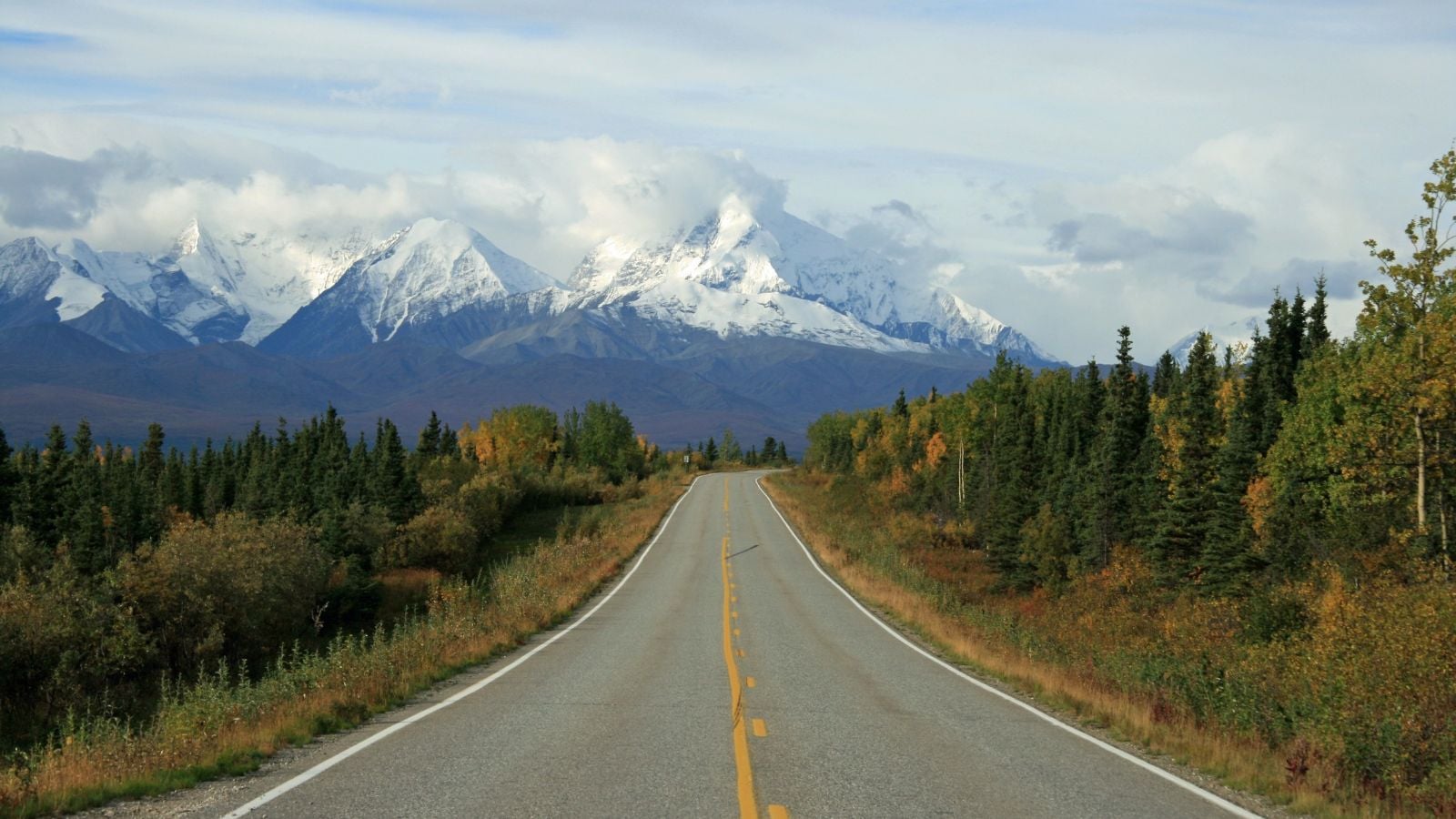
The big exception is when you live outside the Anchorage Bowl and commute in, especially from the Mat-Su Valley or farther parts of Eagle River and Chugiak. That can be a very different lifestyle, particularly in winter.
Anchorage is Alaska’s largest city and service hub. It has hospitals, an airport, universities, restaurants, coffee shops, gyms, contractors, local businesses, grocery stores, professional services, and a real housing market.
Census QuickFacts estimated Anchorage’s 2025 population at 287,155, which is large enough to support many daily services, even if the city still feels small compared with major Lower 48 metros.
That context matters.
If you are moving from rural Alaska, Anchorage may feel convenient and almost easy. If you are moving from Seattle, Denver, New York, Los Angeles, or another larger metro, it may feel limited and spread out. Both can be true.
Anchorage is the big city in Alaska, but it is not a big city by national standards.
This is a real advantage, but it needs to be understood honestly.
Alaska has no personal state income tax, and Anchorage does not currently levy a general city sales tax. That can help, especially for higher earners or people coming from states with higher income and sales taxes.
But it does not make Anchorage cheap.
Property taxes, insurance, housing, groceries, healthcare, shipping, repairs, and travel can still be expensive. So the tax picture is part of the appeal, but it should not be the only reason someone moves here.
One of the things I have come to appreciate most about Anchorage is how much the seasons shape daily life.
Winter is slower, darker, quieter, and more routine-based. Summer is intense, bright, social, and full of pressure to fit everything in. Fall is short but beautiful. Spring breakup can be messy and emotionally harder than people expect.
That might sound like a downside, and sometimes it is. But it can also make life feel more connected to time, weather, light, and place.
In Anchorage, the year does not feel flat. It moves in chapters.
For home buyers, Anchorage can be especially compelling if your lifestyle is built around the outdoors.
A garage is not just a place to park. It may be where you store bikes, skis, tires, tools, fishing gear, paddles, camping equipment, a snowblower, or a roof box. A neighborhood is not just a school zone or a commute. It may determine how often you actually get outside after work.
Someone who wants trail access may value South Addition, Turnagain, Rogers Park, Airport Heights, or parts of Hillside differently than someone who prioritizes a larger lot, a shorter commute, easier access to the airport, or a quieter suburban feel.
That is why I think where to live in Anchorage is less about finding the universally “best” neighborhood and more about matching the neighborhood to your actual daily life.
The cons of living in Anchorage are not dealbreakers for everyone, but they are real.
This is where a lot of generic relocation content gets too vague. It is not enough to say Anchorage is cold or expensive. The harder parts of living here are more specific: everyday costs, travel distance, limited choices, older housing, car dependence, winter logistics, and the fact that the city itself is more practical than polished.
Those tradeoffs do not mean you should not move here. They mean you should move here with clear expectations.
Anchorage does not always feel expensive in one dramatic way. It often feels expensive through repetition.
Groceries cost more. Restaurants can feel pricey for normal meals. Shipping can be slow, expensive, or unavailable. Healthcare and insurance can be high. Contractors and home repairs can cost more than expected. Travel out of Alaska adds up. Winter tires, gear, plowing, heating, and home maintenance are part of the real budget.
The Anchorage Economic Development Corporation’s 2025 Cost of Living Index placed Anchorage at 125.4, meaning roughly 25% above the national average.
So yes, no state income tax and no Anchorage sales tax help. But they do not erase the Alaska premium.
Related Article: Cost of Living in Anchorage, Alaska
If you are buying a home in Anchorage, one of the first things to understand is that the housing stock may not match what you expect for the price.
Many Anchorage homes are older, especially in central neighborhoods. You will see plenty of homes from the 1950s, 1960s, 1970s, and 1980s. Some have been beautifully maintained or updated. Others need work.
Garages, carports, storage, roof condition, drainage, heating systems, windows, driveway slope, snow storage, and access can matter more here than buyers from milder climates sometimes realize.
The market can also move quickly in the price ranges and neighborhoods people want most. The broader point is stable even as specific market numbers change: Anchorage is not a market where every buyer can casually wait for the perfect home in the perfect neighborhood at a discount.
Related Article: The Best Neighborhoods in Anchorage: Where To Live In 2026
Winter in Anchorage is not just weather. It is a lifestyle system.
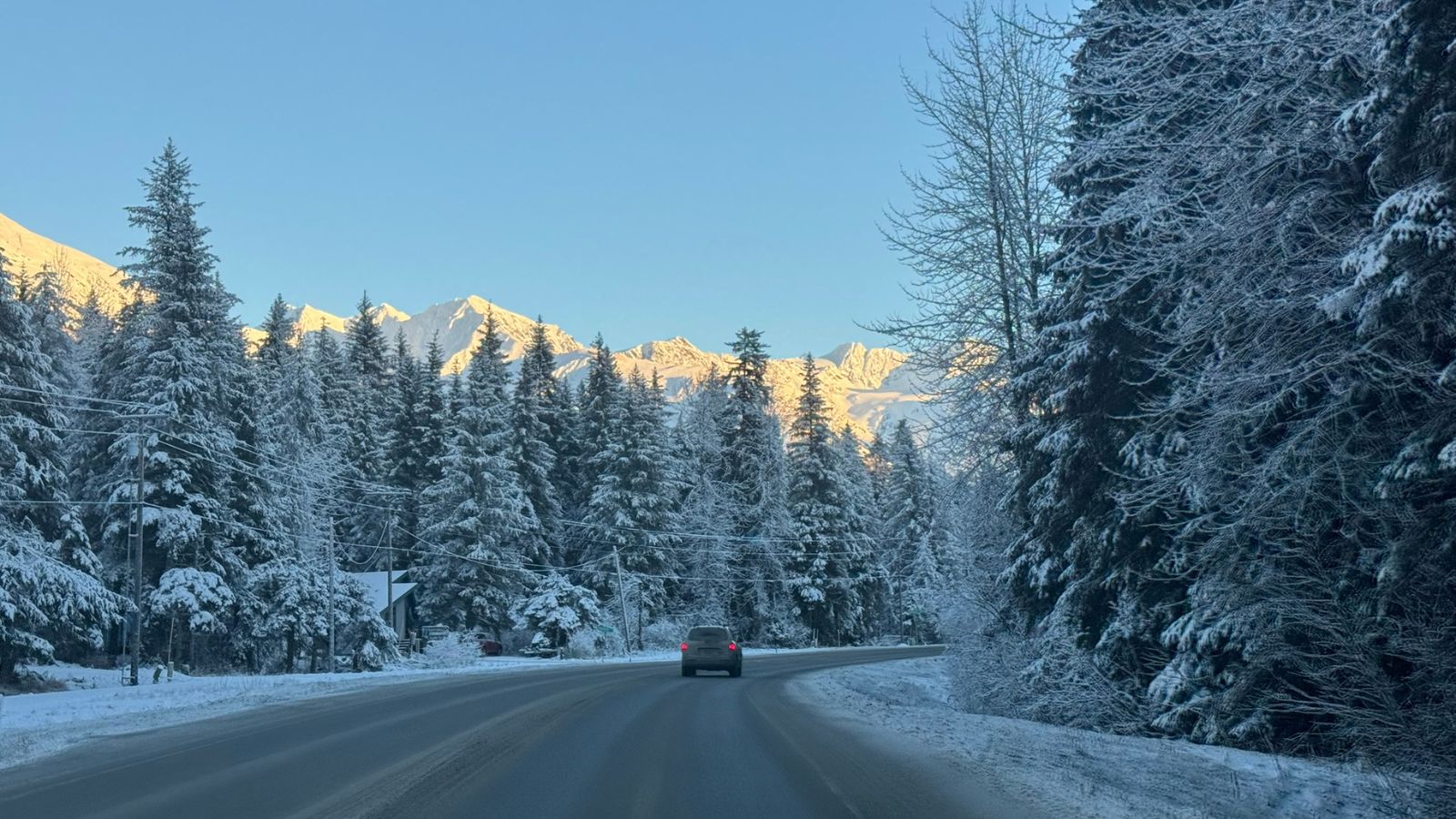
The cold matters, but the bigger adjustment is the combination of darkness, snow, ice, driving conditions, routines, clothing, mood, energy, and home maintenance. You start thinking about tires, boots, layers, lights, vitamin D, snow removal, heating, traction, and whether you have enough reasons to leave the house when it is dark before and after work.
That sounds heavy, but winter can also be beautiful.
For many people who thrive here, winter becomes one of the best parts of Anchorage. The city slows down. Snow makes the landscape quieter. Skiing, fat biking, skating, northern lights, cozy evenings, and winter trails can make the season feel full rather than empty.
But that usually does not happen by accident. People who do well here tend to build winter routines instead of waiting for winter to pass.
This is where Anchorage can feel both like a city and like Alaska.
Most of the time, daily life works. You can get groceries, go to the gym, see friends, go out to dinner, buy home supplies, fly out of the airport, and access major medical providers.
But the range of choices is narrower than in many Lower 48 cities. Certain specialists may have long waits. Some medical care may require travel to Seattle. Flights can be expensive. Furniture and design options are more limited. Shipping can be slow or unavailable. Contractors can be booked out. Certain brands, services, or products may simply be harder to get.
This is one of the places where the geographic distance shows up in everyday life. Anchorage is a real city, but it is not connected to the rest of the country the way Denver, Seattle, Minneapolis, or Portland are.
Anchorage has some neighborhoods where you can walk to coffee, parks, trails, groceries, restaurants, or schools. South Addition, Downtown, parts of Turnagain, Spenard, Rogers Park, North Star, and parts of Midtown can support a more car-light lifestyle depending on your routine.
But for most people, Anchorage is still a car city.
Winter makes that even more true. Groceries, trailheads, medical appointments, school drop-offs, errands, Costco runs, airport trips, and social plans are usually easier with a vehicle. Public transit exists, and biking can be part of daily life for some people, but most households will want at least one car.
If you are trying to live with fewer car trips, read my guide to living in Anchorage without a car before choosing a neighborhood.
Anchorage is scenic because of its setting. It is not always scenic because of its built environment.
The mountains, inlets, trails, parks, skies, and wildlife can be stunning. But the city itself is more practical than polished. You will find strip malls, wide roads, older buildings, utilitarian architecture, big parking lots, and neighborhoods that are not always conventionally charming.
That does not make Anchorage a bad place to live. In some ways, the lack of polish is part of the place. It is functional, outdoorsy, a little rough around the edges, and less image-conscious than many cities.
But if you are coming from a place where the architecture, streetscape, cafes, and urban design are a big part of why you love a city, Anchorage may require an adjustment. The beauty here is real, but it comes more from the landscape than the streetscape.
This is one of the most important Anchorage tradeoffs, and it is easy to underestimate before you live here.
Anchorage is a real city. It has an airport, hospitals, stores, restaurants, schools, jobs, events, and enough services to make daily life work. But it is still geographically far from most of the country.
If your family and friends are in the Lower 48, seeing them takes more planning. If you travel internationally, you will usually connect through another city. If you need specialty healthcare, a specific product, a certain furniture piece, a niche contractor, a particular brand, or a quick weekend trip somewhere else, Anchorage can remind you that it is not connected to the rest of the country the way many other U.S. cities are.
That does not mean life here feels isolated every day. Most of the time, Anchorage feels functional and connected enough. But when you need something specific, when flights are expensive, when shipping is limited, or when you want to see people far away, the distance becomes real.
Anchorage is often a strong fit for people who want a practical city close to the outdoors.
It can work especially well for outdoor-oriented people, military families, healthcare workers, university employees, government workers, remote workers, pilots, people who fish or hunt, people who ski or bike, and home buyers who care more about lifestyle fit than perfect architecture or big-city polish.
It is also a good fit for people who like seasonal living. If you enjoy the idea of winter routines, summer intensity, fall hikes, and a life that changes throughout the year, Anchorage may feel more alive than places where every season feels similar.
Anchorage is usually a harder fit for people who want warm weather, cheap living, endless shopping, frequent low-cost travel, major nightlife, dense walkability, or constant access to the rest of the country.
If you are buying a home in Anchorage, the question is not just whether you can afford the house.
It is whether the home supports the life you are trying to build here.
A house in Anchorage is not only bedrooms, bathrooms, square footage, and price. It is also winter access, plowing, storage, heating systems, roof condition, sunlight, yard maintenance, trail access, commute, school logistics, airport access, and how easy your normal Tuesday in February will feel.
That is why neighborhood choice matters so much. The best neighborhood is not the same for everyone. Someone who wants to bike to the Coastal Trail may make a different choice than someone who wants a larger garage, mountain access, military-base convenience, a shorter commute, or more space outside the Anchorage Bowl.
Before choosing where to live, think less about the “best” Anchorage neighborhood in general and more about the daily routine you actually want.
Before You Buy in Anchorage, Think About
Your winter routine: How much driving, shoveling, darkness, and cold-weather activity will actually work for you?
Your storage needs: Bikes, skis, tires, tools, boats, fishing gear, kayaks, and winter equipment can make garages and sheds more valuable here.
Your neighborhood lifestyle: Anchorage neighborhoods can feel very different depending on commute, trails, schools, services, and how often you want to drive.
Your tolerance for older homes: Roofs, heating systems, drainage, windows, insulation, and maintenance history matter in Alaska.
Your travel needs: If you need frequent trips Outside, specialty medical care, or easy family visits, distance should be part of the decision.
Living in Anchorage is worth it for the right person.
The lifestyle payoff can be enormous. You can live in a real city with access to trails, mountains, water, wildlife, winter sports, summer adventure, and a slower, more seasonal rhythm. You can spend less time in traffic than in many larger metros. You can build a life that feels closer to nature without leaving city services behind completely.
But the tradeoffs are real.
Anchorage is expensive. It is far away. Winter changes your routine. Housing can be older and competitive. Shopping, healthcare, travel, and services are more limited than in many Lower 48 cities. The city is practical and outdoorsy more than polished or conventionally beautiful.
That is why I do not think the right question is simply, “Is Anchorage a good place to live?”
The better question is: “Is Anchorage a good place for the life I actually want?”
If the answer is yes, it can be a remarkable place to build a home.
Choosing where to live here is not just about price or commute. It is about winter routines, neighborhood fit, outdoor access, storage, travel needs, housing condition, and how you want daily life to feel.
If you are trying to decide whether Anchorage fits your life, I’m happy to help you think through the tradeoffs before you start seriously looking at homes.
Ask a Local Before You MoveAnchorage can be a very good place to live if you value outdoor access, shorter commutes, seasonal living, and a practical city close to mountains, trails, and water. It is usually a harder fit if you want cheap living, warm weather, dense walkability, major nightlife, or easy access to the rest of the country.
The biggest pros are access to nature, shorter commutes, no state income tax, no Anchorage sales tax, and a strong outdoor lifestyle. The biggest cons are the cost of living, geographic isolation, long winters, limited services and shopping compared with larger cities, older housing stock, and car dependence.
Yes, Anchorage is more expensive than many relocators expect. The Anchorage Economic Development Corporation’s 2025 Cost of Living Index placed Anchorage at 125.4, meaning about 25% above the national average. Housing, groceries, restaurants, healthcare, insurance, shipping, travel, and home repairs can all add to the cost.
Yes, Anchorage can feel geographically isolated even though it is Alaska’s largest city. Day to day, it has many services people need, including hospitals, shopping, restaurants, an airport, and universities. But travel to the Lower 48, shipping, specialty healthcare, furniture, vehicle logistics, and family visits often take more planning and money than they would in most U.S. cities.
Most people in Anchorage will want a car. Some central neighborhoods can support a more car-light lifestyle, especially if you live near work, trails, groceries, or transit. But winter, errands, trail access, medical appointments, Costco runs, and general city layout make car ownership very practical for most households.
Anchorage can be a good place to buy a home if you plan to stay long enough, understand the cost of ownership, and choose a neighborhood that fits your daily life. Buyers should pay close attention to roof condition, heating systems, drainage, snow management, storage, commute, trail access, and winter practicality.
Before moving to Anchorage, understand that it is both a real city and a remote place. It offers strong outdoor access, practical services, and a unique seasonal lifestyle, but it also comes with higher costs, long winters, geographic distance, limited options in some categories, and a housing market where neighborhood choice matters a lot.
Trying to figure out where to live in Anchorage can be harder than it looks from the outside.You can spend hours on Zillow, Reddit, Google…
Read Article

Share My QR |
|