The Best Neighborhoods in Anchorage: Where to Live in 2026

Trying to figure out where to live in Anchorage can be harder than it looks from the outside.

You can spend hours on Zillow, Reddit, Google Maps, and neighborhood lists and still not know what daily life actually feels like here. One area may look perfect on a map but feel too car-dependent once you live there. Another may not seem impressive online but might put you close to trails, work, coffee, schools, or the kind of winter routine that makes Anchorage feel livable.

Anchorage is not a city where there is one obvious “best neighborhood”. The best Anchorage neighborhood for you depends on how you actually live. That is why a good Anchorage neighborhood guide should help you compare lifestyle, commute, and housing tradeoffs, not just give you a generic list of the best neighborhoods in Anchorage.

Do you want to walk to coffee and the Coastal Trail? Do you need a garage for skis, bikes, tires, and a snowblower? Are you commuting to JBER, Providence, ANMC, downtown, Midtown, or the airport? Are you trying to buy your first home and stay realistic on budget? Do you want mountain views and quiet, or do you want central convenience?

This Anchorage neighborhood guide is organized around those questions. Instead of ranking neighborhoods from best to worst, it looks at where to live in Anchorage based on lifestyle, commute, budget, outdoor access, family needs, and what daily life actually feels like.
The best Anchorage neighborhood is not the one with the best reputation. It is the one that fits your commute, winter routine, budget, storage needs, and the kind of life you actually want to live.

How to Think About Anchorage Neighborhoods Before You Choose One


Before you start comparing Anchorage neighborhoods, it helps to understand that “best” is not a universal category here.

Some of the best places to live in Anchorage Alaska are not the best fit for every buyer. South Addition may be ideal if you want central living, access to the Coastal Trail, and a neighborhood that feels connected to downtown. Hillside may be perfect if you want views, space, and Chugach access. Eagle River may make sense if you want a more suburban feel and easier JBER access. Spenard may work beautifully if you like central convenience, restaurants, and a more creative urban feel.

But each of those choices comes with tradeoffs.

In Anchorage, neighborhood fit usually comes down to a few practical questions: commute, winter driving, housing budget, schools, trail access, walkability, storage, garage space, home age, and how much daily convenience you want.

That is why this article is organized by lifestyle and goals, not just by neighborhood name. I also include Eagle River, Chugiak, Girdwood, and the Mat-Su comparison where they naturally come up, because many people searching for Anchorage neighborhoods are really deciding between the Anchorage Bowl and nearby lifestyle alternatives.

A neighborhood can be great for one buyer and completely wrong for another. The goal is not to find the “perfect” Anchorage neighborhood. The goal is to understand which tradeoffs are worth it for the life you actually want to live.

The Anchorage Neighborhood Decision Framework

Commute: where you work matters more in winter than it may appear on a summer map.

Outdoor access: some neighborhoods put trails into your daily routine, not just your weekends.

Storage: garages, sheds, driveways, and gear space matter a lot in Alaska.

Housing age: many of Anchorage’s most convenient neighborhoods have older homes, so condition matters.

Lifestyle fit: the right neighborhood should fit how you actually live, not just how the listing photos look.

If you are just starting your search, this quick lifestyle table can help you orient yourself before going deeper into each neighborhood type.

Anchorage Neighborhoods by Lifestyle

If You WantNeighborhoods to ConsiderMain Tradeoff
Outdoor accessTurnagain, South Addition, Bayshore/Klatt, Hillside, Rabbit Creek, Eagle River, GirdwoodPrice, commute, winter roads, or less daily convenience depending on the area.
Central living and walkabilitySouth Addition, Downtown, Spenard, Rogers Park, North Star, parts of MidtownOlder homes, less space, limited true walkability, and block-by-block variation.
Family-friendly neighborhoodsRogers Park, Airport Heights, Sand Lake, Bayshore/Klatt, Huffman/O’Malley, Eagle River, ChugiakBudget, school boundaries, commute, and how much space you need.
More spaceHillside, Rabbit Creek, Bear Valley, Huffman/O’Malley, Bayshore/Klatt, Eagle River, Chugiak, Mat-Su for comparisonMore driving, more maintenance, longer commutes, and less walkability.
First-time buyer optionsAirport Heights, Spenard, Muldoon/Northeast Anchorage, Taku/Campbell, Abbott Loop, Midtown-adjacent pocketsOlder homes, repairs, HOA dues, condition issues, or neighborhood variation.
Mountain views and a quieter feelHillside, Rabbit Creek, Bear Valley, Glen Alps, Eagle River Valley, Chugiak, GirdwoodWinter roads, longer drives, steeper lots, and fewer nearby services.
JBER accessEagle River, Chugiak, Muldoon/Northeast Anchorage, East Anchorage, Government HillChoosing between shorter base access, Anchorage convenience, and suburban feel.
Commute and employment hubsSouth Addition, Rogers Park, Airport Heights, Midtown, Spenard, Turnagain, Sand LakeLess romantic neighborhoods may be more practical for daily life.

Best Anchorage Neighborhoods for Outdoor Access


One of the biggest reasons people move to Anchorage is the outdoor access. This is where the city is genuinely hard to beat.

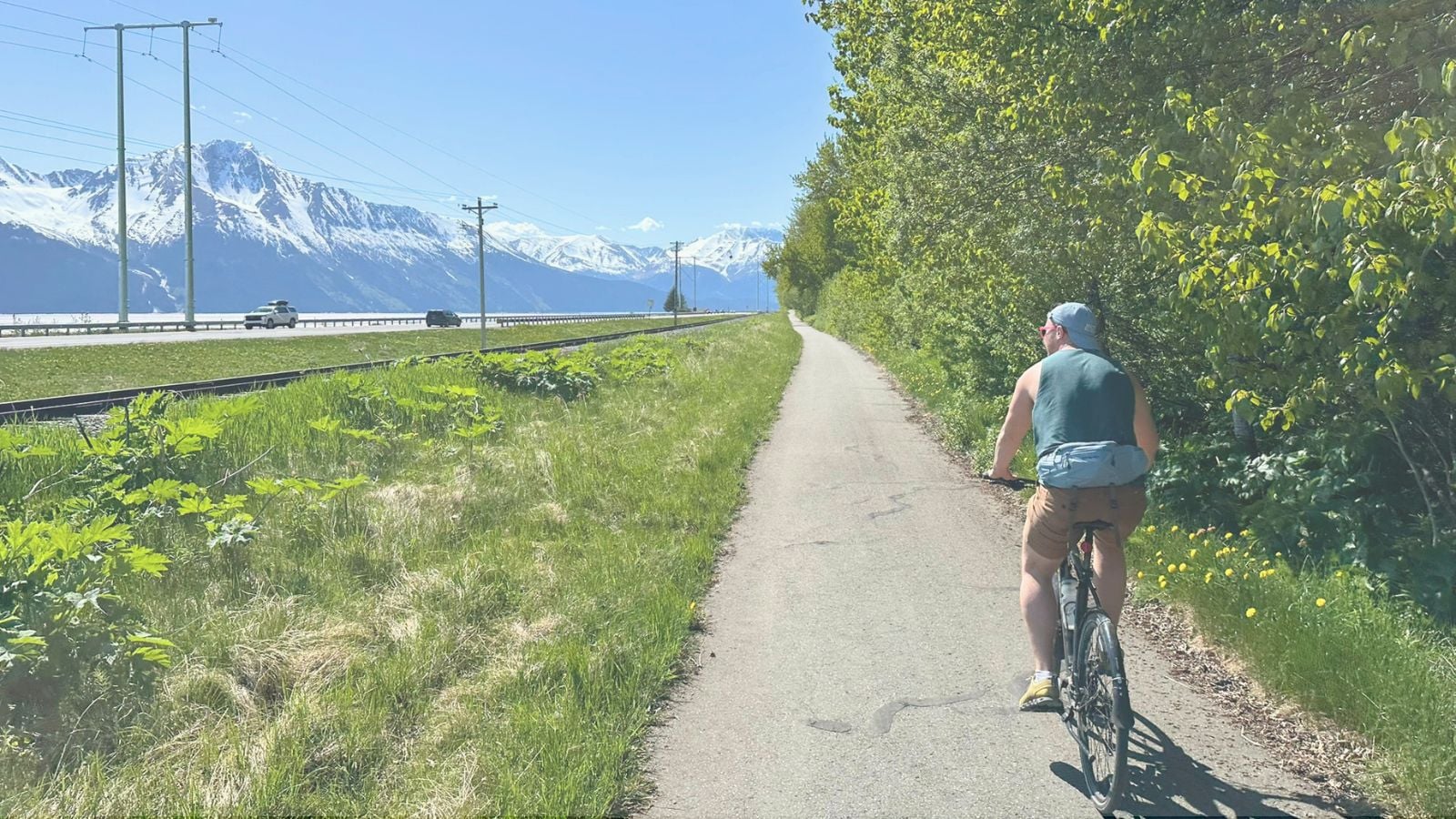
You can live near the Coastal Trail, bike to Kincaid, walk around Westchester Lagoon, ski after work, hike into Chugach State Park, or drive to a trailhead in the time it takes people in other cities to cross town. If outdoor access is one of your main reasons for moving to Anchorage, the neighborhood you choose can shape your daily life in a big way.

Some of the best Anchorage neighborhoods near trails include Turnagain, South Addition, Bayshore/Klatt, Hillside, Rabbit Creek, Glen Alps, Bear Valley, Girdwood, and Eagle River.

The Coastal Trail runs from downtown Anchorage toward Kincaid Park, and Kincaid itself has extensive trail networks for year-round use, which is why west-side access matters so much for outdoor-oriented buyers.  Chugach State Park and Glen Alps also anchor the mountain-access side of the city, with official resources describing Glen Alps as a major Chugach gateway.  

Turnagain


Turnagain is one of the strongest Anchorage neighborhoods for people who want access to the Coastal Trail, Kincaid Park, the airport, and west-side outdoor amenities.

It has a residential feel, mature trees, established homes, and easy access to some of Anchorage’s best biking, walking, and skiing routes. For many buyers, Turnagain offers a strong balance between outdoor access and city convenience.

The tradeoff is that desirable homes in Turnagain can be expensive, and inventory can be limited. Many homes are older, so condition matters. You may also pay a premium for location even when the house itself needs updates.

Turnagain at a Glance

Best for: Coastal Trail access, Kincaid access, established neighborhood feel, airport convenience, and outdoor-oriented buyers who still want to be central.

Tradeoff: Higher prices, older homes, limited inventory, and less affordability than many east-side or Midtown-adjacent areas.

South Addition


South Addition is one of the most appealing neighborhoods in Anchorage if you want central living and outdoor access in the same place.

You can be close to the Coastal Trail, Westchester Lagoon, downtown, coffee, bakeries, restaurants, and some of the most walkable parts of Anchorage. It is one of the few neighborhoods where you can realistically build a daily routine that is not entirely car-dependent.

For someone moving from a larger city, South Addition can feel like a softer landing than more suburban parts of Anchorage. You still get Alaska nearby, but you also get some neighborhood texture, sidewalks, older homes, and a sense of place.

The tradeoff is price and inventory. South Addition is desirable, and many homes are older. You may be choosing between charm, location, updates, and budget.

South Addition at a Glance

Best for: Central living, walkability, Coastal Trail access, Westchester Lagoon, older homes, and relocators who want convenience without feeling fully suburban.

Tradeoff: Higher prices, limited inventory, older housing stock, and less space than farther south or north.

Bayshore / Klatt


Bayshore and Klatt can make sense for buyers who want access to Kincaid, the Coastal Trail area, south Anchorage services, and more residential space.

This area often feels more suburban than South Addition or Turnagain. You are farther from downtown, but you may get more house, more garage, more yard, and easier access to parts of south and west Anchorage.

For outdoor-oriented families or buyers with dogs, kids, bikes, skis, and gear, this can be a practical choice.

Hillside, Rabbit Creek, Glen Alps, and Bear Valley


If your version of Anchorage includes mountain views, trailheads, quiet roads, and immediate access to Chugach State Park, Hillside and the upper south Anchorage neighborhoods may be the dream.

Rabbit Creek, Glen Alps, Bear Valley, and surrounding Hillside areas can offer some of the most beautiful settings in Anchorage. You may get privacy, views, larger lots, and easier access to hiking, skiing, and mountain trailheads.

But this is not the same lifestyle as living in South Addition or Spenard. You will likely drive more. Winter roads can matter. Snow, slope, driveway maintenance, wind exposure, septic or well considerations in some locations, and longer trips to daily services are all part of the equation.

Girdwood and Eagle River


Girdwood and Eagle River are very different from each other, but both come up often when people ask where to live in Anchorage for outdoor access.

Girdwood is a lifestyle decision. It is beautiful, outdoorsy, ski-oriented, and deeply connected to mountains and trails, but it is not the practical choice for everyone who works in Anchorage or wants daily city convenience.

Eagle River can also be strong for outdoor access, especially for people who want proximity to mountains, trails, and a more suburban or small-town feel while still being connected to Anchorage.

 
Person biking on the Bird to Gird Trail near Girdwood with Turnagain Arm and mountains in the background

Best Anchorage Neighborhoods for Central Living and Walkability


Anchorage is not a highly walkable city in the way New York, Paris, Seattle, or even parts of Denver can be walkable. Most people need a car here.

But some Anchorage neighborhoods are much better for central living and walkability than others. If you are moving to Anchorage from a larger city, this may matter more than you expect.

The most walkable neighborhoods in Anchorage tend to be older, more central, and closer to downtown, trails, restaurants, coffee, or mixed-use corridors. They are not always the newest or most spacious neighborhoods, but they can make daily life feel easier and more connected.

South Addition


South Addition is one of the best Anchorage neighborhoods for central living. It gives you a combination that is hard to find elsewhere in town: proximity to downtown, access to the Coastal Trail and Westchester Lagoon, neighborhood streets, older homes, and some walkable daily destinations.

For relocators who are worried Anchorage will feel too spread out, South Addition can be a strong fit. You can still drive, but you are not completely dependent on the car for every small outing.

The tradeoff is that South Addition is not a bargain neighborhood. Buyers often compete for limited inventory, and many homes require maintenance or updates.

Downtown Anchorage


Downtown can make sense for people who want immediate access to restaurants, offices, events, hotels, the Coastal Trail, and a more urban setting.

That said, downtown Anchorage is different from downtown in a larger city. It can feel active during certain seasons and quieter at other times. Some people love the convenience. Others prefer nearby neighborhoods like South Addition or Turnagain that offer central access with a more residential feel.

Downtown is worth considering, but it should be evaluated based on your actual lifestyle, not just the idea of living downtown.

Spenard


Spenard deserves a more nuanced reputation than it sometimes gets.

It is one of Anchorage’s more interesting central neighborhoods, with restaurants, coffee, music, older homes, apartments, local businesses, and quick access to Midtown, downtown, and the airport. It has more personality than many parts of town, and for some buyers, that matters.

Spenard can be a great neighborhood, but it is not uniform. Some pockets feel lively, creative, and convenient. Others feel more commercial, transitional, or less polished. This is a neighborhood where the specific block matters.

For first-time buyers, relocators who want central convenience, or people who like a less cookie-cutter environment, Spenard should be on the list.

Spenard at a Glance

Best for: Central convenience, restaurants, creative energy, airport access, buyers who want personality and location.

Tradeoff: Block-by-block variation, mixed housing stock, commercial corridors, and a less polished feel in some areas.

Rogers Park, North Star, and Midtown-Adjacent Areas


Rogers Park is a strong central option for people who want an established residential neighborhood with good access to U-Med, Midtown, downtown, and trails.

It is not as visibly “urban” as South Addition or Spenard, but it offers a practical central location and a more residential feel. For many buyers, especially families and professionals, Rogers Park can be one of the most balanced Anchorage neighborhoods.

North Star and parts of Midtown can also be practical for people who want central convenience without necessarily needing postcard charm. These areas can offer access to restaurants, services, offices, medical facilities, and major roads. They may not always feel like the classic “best neighborhood” people imagine when moving to Anchorage, but convenience has real value, especially in winter.

 
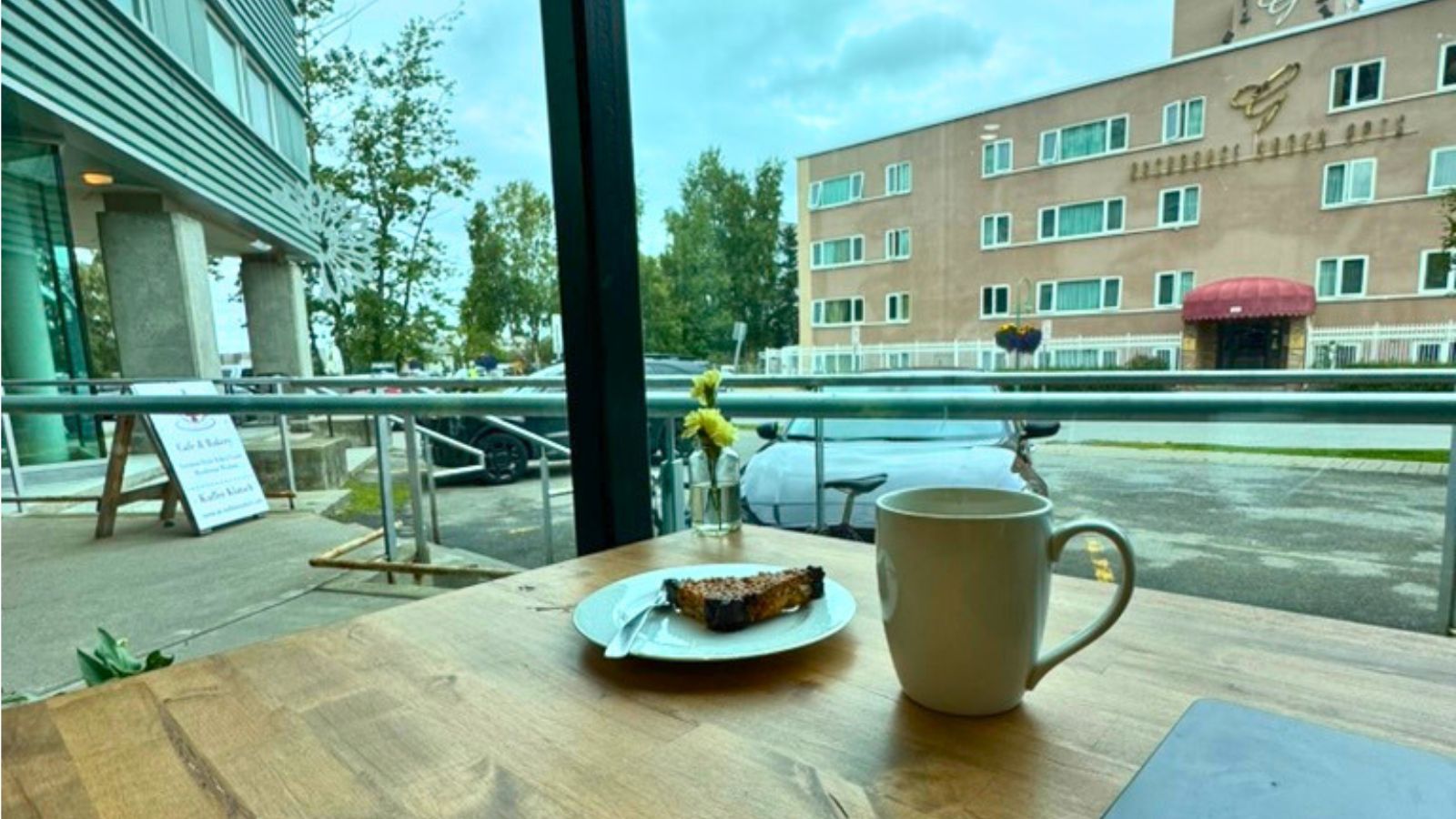
Coffee cup and pastry inside a downtown Anchorage coffee shop with city buildings outside

Best Anchorage Neighborhoods for Families


For families, the best Anchorage neighborhoods are usually about more than just the house.

Schools, commute, safety perception, parks, bedroom count, garage space, yard, sidewalks, and the overall neighborhood feel all matter. Some families want central convenience and shorter drives. Others want more space, quieter streets, and a more suburban rhythm.

Because school boundaries and individual needs vary, it is important to verify school information directly and spend time in the specific neighborhood before deciding. 

The Anchorage School District has a School Finder tool that lets you check assigned schools by address, which is useful before relying on a listing or assumption.

Rogers Park and Airport Heights


Rogers Park can be a strong choice for families who want a central location without feeling right in the middle of downtown.

It has established homes, mature trees, access to important employment hubs, and a residential feel. It can work especially well for families who value convenience to U-Med, Midtown, downtown, and activities across the Anchorage Bowl.

Airport Heights is another practical, established neighborhood that can work well for families and first-time buyers. It is central, relatively convenient to U-Med, downtown, and east Anchorage, and it has a neighborhood feel that many buyers like. Homes vary in age and condition, so buyers should pay close attention to maintenance, updates, and layout.

Rogers Park and Airport Heights at a Glance

Best for: Buyers who want central convenience, established neighborhoods, access to U-Med, Midtown, downtown, and a more residential feel than the busiest parts of the city.

Tradeoff: Older homes, variable condition, limited inventory in desirable pockets, and less space than farther south, north, or outside the Anchorage Bowl.

Sand Lake and Bayshore / Klatt


Sand Lake is a popular area for families who want a more residential west Anchorage feel, access to parks and lakes, and more space than many central neighborhoods.

It is also practical for people who want airport access, west-side convenience, and easier access to Kincaid or other outdoor amenities.

Bayshore and Klatt can work well for families who want more space, garages, yards, and access to south and west Anchorage amenities. The area is more suburban than South Addition or Rogers Park, but that is exactly the appeal for some buyers.

Huffman / O’Malley, Eagle River, and Chugiak


Huffman and O’Malley are good examples of south Anchorage neighborhoods that can appeal to families looking for larger homes, quieter streets, and a more residential setting.

The tradeoff is that you are likely driving for most daily needs. But for families who want space and a more settled feel, that may be a worthwhile exchange.

Eagle River and Chugiak are not in the Anchorage Bowl, but they are part of the broader decision for many families moving to Anchorage. They can offer a more suburban or small-town feel, access to mountains, and a strong appeal for military families or people who want more distance from the city. The tradeoff is commute, especially if your daily life is centered in Anchorage.

Best Anchorage Neighborhoods for More Space


More space means something different in Anchorage than it does in many other cities.

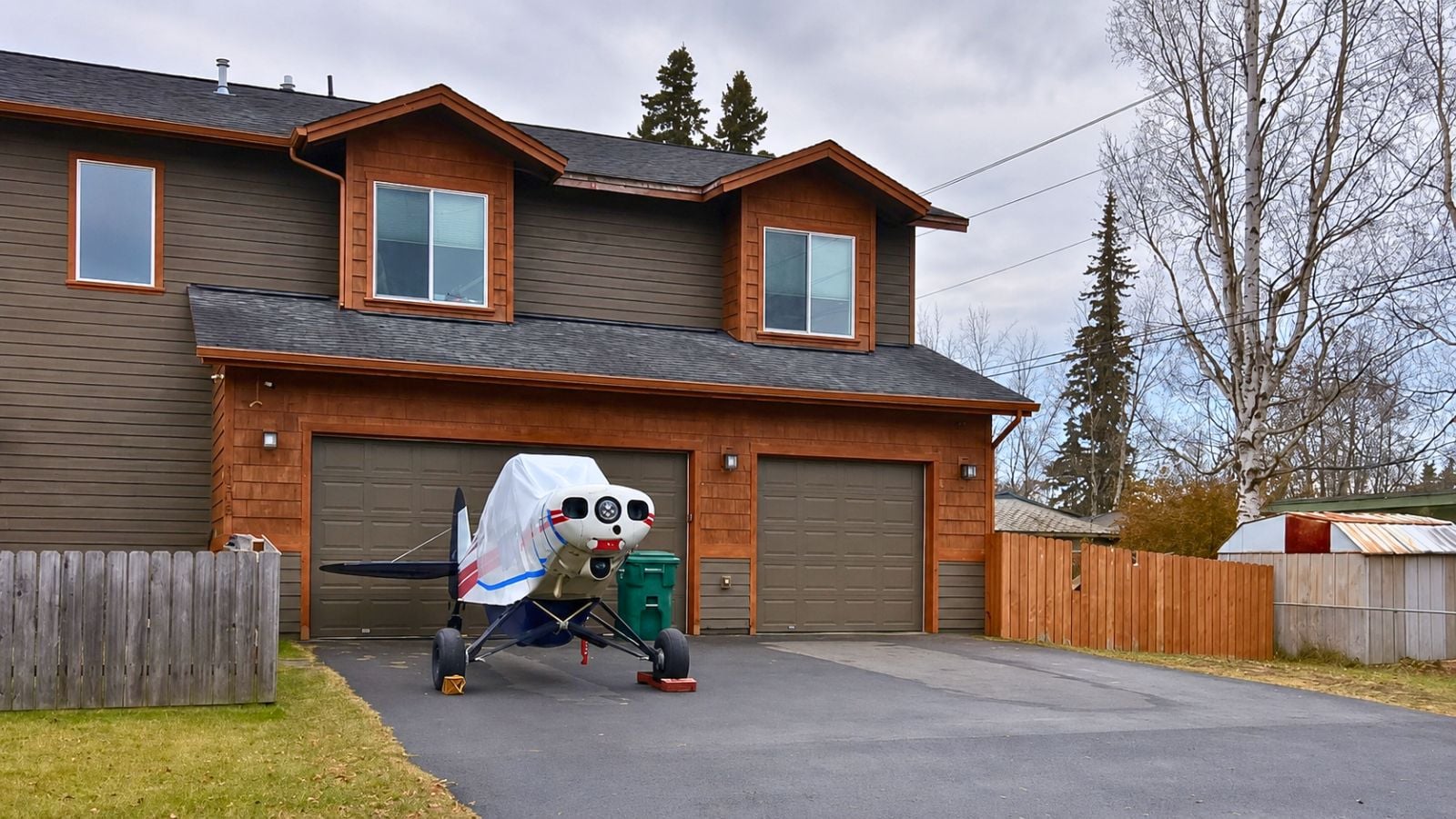
It is not just about square footage. It is about garage space, storage, driveway size, yard, room for winter tires, bikes, skis, boats, rafts, tools, a snowblower, a dog, or kids who need room to move.

For many people moving to Anchorage, storage becomes more important than they expected. Alaska lifestyles come with gear. A house that looks fine online may feel very different once you realize there is nowhere practical to put your outdoor equipment, winter setup, or extra vehicle.

 
Small plane parked in the driveway of an Anchorage home with garages and trees

Hillside and Rabbit Creek


Hillside and Rabbit Creek are two of the strongest areas for buyers who want more space, views, and privacy while staying within Anchorage.

Homes tend to be larger, lots can be bigger, and the setting can feel quieter and more connected to the mountains. For buyers who want Anchorage to feel spacious and scenic, these neighborhoods are compelling.

The tradeoff is convenience. You will likely drive more, and winter conditions matter. Steep driveways, snow removal, and road access should be part of the buying decision.

Hillside and Rabbit Creek at a Glance

Best for: Mountain views, larger homes, more privacy, trail access, and buyers who want Anchorage to feel quieter and more spacious.

Tradeoff: More driving, winter road considerations, steeper lots or driveways, and fewer walkable daily conveniences.

Bear Valley and Glen Alps


Bear Valley and Glen Alps push even further into the mountain lifestyle.

These areas can be beautiful, quiet, and deeply connected to outdoor recreation. They can also be less convenient for daily errands and more demanding in winter. They are best for buyers who are intentionally choosing that lifestyle, not just chasing views.

Huffman / O’Malley, Bayshore / Klatt, and Sand Lake


Huffman and O’Malley offer more space without necessarily feeling as remote or elevated as some Hillside locations.

For buyers who want a larger home, a garage, a yard, and a quieter south Anchorage lifestyle, this area can make sense. It is more car-dependent, but for many people, that is a reasonable tradeoff.

Bayshore, Klatt, and Sand Lake can offer a practical version of “more space” for buyers who still want access to services, schools, parks, and west/south Anchorage amenities. These areas may not offer the same mountain feel as Hillside, but they can be more convenient for everyday family life.

Eagle River, Chugiak, and the Mat-Su


If more space is a major priority, Eagle River and Chugiak often enter the conversation.

For some buyers, they offer the right balance of space, views, access to JBER, and a more suburban or semi-rural feel. For others, the commute into Anchorage is the dealbreaker.

This is also where some buyers start comparing Anchorage to the Mat-Su Valley. The Mat-Su can offer more space, more land, and sometimes more house for the money, but it is a very different daily lifestyle. The commute into Anchorage can be significant, winter driving matters, and services, schools, politics, zoning, and neighborhood feel are different from the Anchorage Bowl.

For some people, that tradeoff is exactly what they want. For others, the extra space is not worth the daily drive. This is where the decision becomes less about which place is “better” and more about how often you need to be in Anchorage, what time you commute, and how you want your daily life to feel.


More Space Usually Means More Tradeoffs

Driving

The farther you move from central Anchorage, the more your daily life usually depends on your car, road conditions, and commute timing.

Maintenance

Larger lots, longer driveways, older systems, snow removal, and more exterior space can all add work and cost.

Convenience

More space can be wonderful, but it may mean fewer walkable errands, longer drives to services, and less spontaneous city access.

Lifestyle Fit

The right amount of space is the amount you will actually use and maintain comfortably, not simply the biggest property you can afford.

Best Anchorage Neighborhoods for First-Time Buyers


For first-time buyers, choosing where to live in Anchorage often means balancing the ideal neighborhood against the actual monthly payment.

The most desirable Anchorage neighborhoods can be expensive, especially if they are central, scenic, walkable, or close to trails. First-time buyers may need to think creatively about condos, townhomes, smaller homes, older homes, or neighborhoods that offer better value but require more careful evaluation.

This is where local guidance matters. A cheaper house is not always a better buy. But a less obvious neighborhood may still be a very smart fit.

Spenard


Spenard can be interesting for first-time buyers who want central location, personality, and access to restaurants, the airport, Midtown, and downtown.

The key is being specific. Spenard is not one uniform market. The house, street, nearby uses, and long-term plans all matter. For the right buyer, it can be a strong choice. For someone who wants quiet, uniform residential streets, it may not be the right fit.

Airport Heights


Airport Heights can be a good first-time buyer neighborhood because it offers central location, established homes, and access to several parts of town.

It is not always cheap, but it may be more attainable than South Addition, Turnagain, or some south Anchorage areas. Condition matters, and buyers should pay attention to roofs, windows, heating systems, drainage, and general maintenance.

Muldoon / Northeast Anchorage


Muldoon and parts of Northeast Anchorage are often dismissed too quickly by people moving to Anchorage, but they can be practical for some first-time buyers.

You may find more home for the money compared with many central or south Anchorage neighborhoods. The area can also be convenient for JBER and east-side access.

The tradeoff is that it is a large area with meaningful variation. Buyers should look carefully at the specific pocket, the property condition, commute, schools, and comfort level.

Taku / Campbell, Abbott Loop, Condos, and Townhomes


Taku/Campbell and Abbott Loop can be practical options for first-time buyers who want access to Midtown, south Anchorage, and major roads without necessarily paying for the most expensive neighborhoods.

These areas can be less romantic than South Addition or Hillside, but they may offer more realistic entry points depending on the market.

For some first-time buyers, the right answer may not be a single-family home. A condo or townhome in a central area can make sense if it provides better location, lower maintenance, and a more manageable monthly payment. But HOA dues, reserves, rental rules, special assessments, parking, pets, storage, and financing all need to be reviewed carefully.

Buying a home in Anchorage as a first-time buyer is not just about getting in the market. It is about choosing a property you can afford, maintain, and live in comfortably.

Best Anchorage Neighborhoods for Mountain Views and a Quieter Feel


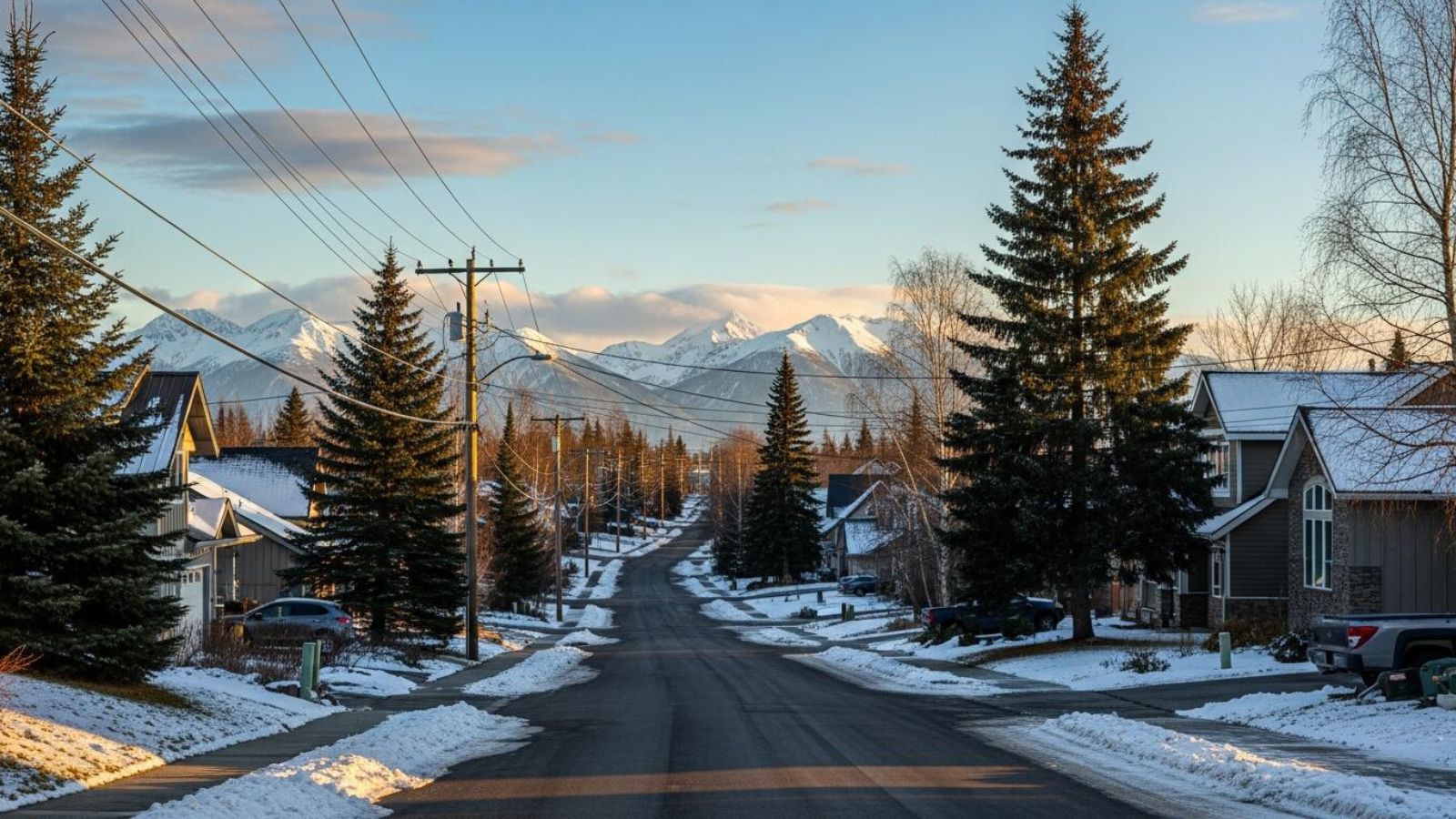
For many relocators, this is the dream version of Anchorage: mountains outside the window, quieter streets, more trees, and easy access to trails.

Anchorage can absolutely offer that. But the more you prioritize views and quiet, the more you may give up in walkability, convenience, and ease of daily errands.

Hillside and Rabbit Creek


Hillside is one of the most obvious choices for buyers who want mountain views, larger homes, and a quieter Anchorage lifestyle.

It can feel removed from the city while still being connected to Anchorage. For people who want proximity to Chugach State Park, trailheads, and scenic living, it is a natural fit.

Rabbit Creek offers a similar appeal, with beautiful settings, larger properties, and a strong connection to south Anchorage and the mountains.

The tradeoffs are real: more driving, winter road conditions, steeper lots, and often higher home prices or maintenance costs.

Bear Valley, Glen Alps, Eagle River Valley, and Chugiak


Bear Valley and Glen Alps are more specialized choices for people who really want to be close to the mountains.

These areas can be stunning, but they are not for everyone. They can involve more demanding winter conditions, more driving, and a stronger commitment to a mountain-edge lifestyle.

Eagle River Valley and Chugiak can also offer beautiful mountain settings and a quieter feel. For buyers who want more separation from the Anchorage Bowl, these areas may feel more peaceful and spacious. The tradeoff is the commute into Anchorage and the different rhythm of daily life.

Girdwood


Girdwood is the mountain-town option.

It is beautiful, outdoorsy, and very lifestyle-driven. But unless your work and daily routines support living there, it may be more of a dream location than a practical Anchorage home base.

 
Winter road in Girdwood Alaska with snowy trees and mountains in the background

Best Anchorage Neighborhoods for Military Buyers and JBER Access


For military buyers, the neighborhood decision often starts with JBER access, but it should not end there.

Commute matters. So do resale, schools, garage space, winter driving, budget, and whether you want to live in Anchorage, Eagle River, or Chugiak.

Eagle River and Chugiak


Eagle River is one of the most common choices for military families and buyers connected to JBER.

It offers a more suburban feel, access to mountains, and a sense of separation from Anchorage while still being connected to the base and the city. For some families, this is exactly the balance they want.

Chugiak is farther north and can feel even more removed from the Anchorage Bowl. It may appeal to buyers who want a quieter, more spacious, or more semi-rural feel. It is not the right fit for someone who wants central Anchorage convenience, but it can work well for buyers who value space and separation.

Eagle River and Chugiak at a Glance

Best for: Military buyers, families, mountain access, more space, and people who want a more suburban or small-town feel outside the Anchorage Bowl.

Tradeoff: A different daily rhythm than Anchorage, fewer central-city conveniences, and a commute that matters more in winter or during busy traffic windows.

Muldoon / Northeast Anchorage and East Anchorage


Muldoon and Northeast Anchorage can be practical for JBER access and may offer more attainable price points than some other parts of town.

As with any large area, the specific pocket matters. Buyers should compare commute, property condition, schools, and neighborhood feel rather than making decisions based only on reputation.

East Anchorage is broad, and it should not be treated as one single thing. Some buyers appreciate the convenience to JBER, parks, schools, and more attainable homes. Others may prefer Eagle River, Chugiak, or central Anchorage. The important thing is to look at specific areas rather than making a broad assumption.

Government Hill


Government Hill is small, historic, and close to both downtown and JBER.

It is easy to overlook because inventory is limited and it does not come up in every relocation search. But for the right buyer, especially someone who values proximity and a tucked-away feel, it can be worth understanding.

Military buyers should also drive their likely commute at the right time of day and consider what winter driving will feel like, not just what the map says in July.

Best Anchorage Neighborhoods for Commute and Employment Hubs


One of the most practical ways to choose where to live in Anchorage is to start with where you will work.

Anchorage is not huge, but commutes can still shape your daily life, especially in winter. A neighborhood that feels only 15 minutes away on a summer afternoon may feel very different during snow, school drop-off, or a dark January morning.

If You Work Downtown


If you work downtown, the most convenient neighborhoods may include South Addition, Downtown, Government Hill, Turnagain, and sometimes Fairview depending on your comfort level and the specific location.

South Addition is often the most appealing residential option for people who want downtown access without living directly downtown. Government Hill is close and small. Turnagain gives you more residential feel and access to the west side. Fairview is central but more block-by-block.

If You Work Near U-Med, Providence, or ANMC


If your daily life is centered around U-Med, Providence, ANMC, or the university area, Rogers Park, Airport Heights, University Area, Midtown, and Tudor/Abbott-adjacent areas may be worth considering.

This is a major employment zone, and commute convenience can matter a lot. For healthcare workers, medical professionals, university employees, and people with frequent appointments in this part of town, being nearby can make Anchorage feel much easier.

If You Work Near the Airport


If you work near the airport, travel frequently, or need quick access to Ted Stevens Anchorage International Airport, neighborhoods like Turnagain, Spenard, Sand Lake, North Star, and parts of Midtown can be practical.

This can matter for pilots, airline employees, travel nurses, rotational workers, and people who leave Alaska often. Airport access is not the most glamorous neighborhood criterion, but it can make a real difference in daily life.

If You Work at JBER


If you work at JBER, Eagle River, Chugiak, Muldoon, Northeast Anchorage, Government Hill, and parts of East Anchorage are all worth understanding.

The right choice depends on which gate you use, your family needs, your tolerance for commuting, and whether you prefer Anchorage convenience or a more suburban setting.

If You Want General City Convenience


If you want to be able to reach most parts of Anchorage relatively easily, central neighborhoods like Midtown, Spenard, Rogers Park, Airport Heights, South Addition, and Turnagain tend to be practical.

They may not all offer mountain views or large lots, but convenience is valuable. In Anchorage, being close to work, groceries, restaurants, medical care, and major roads can make winter life much easier.

 
Raven perched on Anchorage street signs near 15th Avenue and U Street

Anchorage Neighborhoods to Understand Before You Set Them Aside


Some Anchorage neighborhoods are easy to dismiss if you are only looking online.

Sometimes the reputation is outdated. Sometimes the neighborhood is genuinely mixed and needs careful evaluation. Sometimes it is not the right fit for many buyers, but it may still make sense for a specific person with the right budget, commute, and expectations.

This section is not about labeling neighborhoods as good or bad. It is about understanding context before making a decision.

Fairview


Fairview is very central and close to downtown. It can offer more affordability than many other central Anchorage neighborhoods, which makes it worth understanding for some buyers.

But Fairview is also a neighborhood where the exact street, surrounding uses, property condition, and your own comfort level matter a lot.

If you are considering Fairview, it is important to visit the area, understand the specific block, and compare the property carefully against your priorities.

Mountain View


Mountain View is one of Anchorage’s most diverse neighborhoods and has a strong community identity.

It is close to downtown and JBER, and it can be more affordable than many other parts of Anchorage. It should not be dismissed only because of reputation.

At the same time, it is not the right fit for every buyer. Like Fairview, Mountain View requires local context, specific property evaluation, and a clear understanding of your comfort level and goals.

Muldoon / Northeast Anchorage


Muldoon and Northeast Anchorage are often ruled out too quickly by relocators.

The area is broad, practical, and varied. It can make sense for first-time buyers, military buyers, and people who want more house for the money. It can also offer convenient access to JBER and east Anchorage amenities.

The key is not to treat Muldoon as one single thing. Specific pockets, streets, home condition, schools, commute, and resale should all be considered.

Midtown


Midtown is not usually the neighborhood people dream about when they imagine moving to Alaska.

It is not the most scenic, the most charming, or the most traditionally residential part of town. But it is practical. It has restaurants, services, offices, medical access, shopping, and strong access to different parts of Anchorage.

For some people, Midtown is not the goal. For others, especially renters, condo buyers, medical workers, service workers, or people who prioritize convenience, it can make daily life easier.

How to Choose the Right Anchorage Neighborhood Before You Buy


Choosing the right Anchorage neighborhood is not just about finding a house you like.

It is about understanding what your life will feel like once you live there. That means thinking through your commute, winter routine, outdoor access, storage needs, budget, home maintenance, and how much convenience you want day to day.

Before buying a home in Anchorage, ask yourself:

Where will I work, and what will that commute feel like in winter?

Do I want to walk places, or am I comfortable driving for most errands?

Do I need a garage or serious storage?

How close do I want to be to trails?

Do I want mountain views, or do I want central convenience?

Am I comfortable with an older home?

Do I want a more urban, suburban, or quiet setting?

Would renting first help me understand the city better?

Am I choosing the right neighborhood for my actual life, not just the best-looking listing?

What Changes When You Shop in Winter vs. Summer

Winter

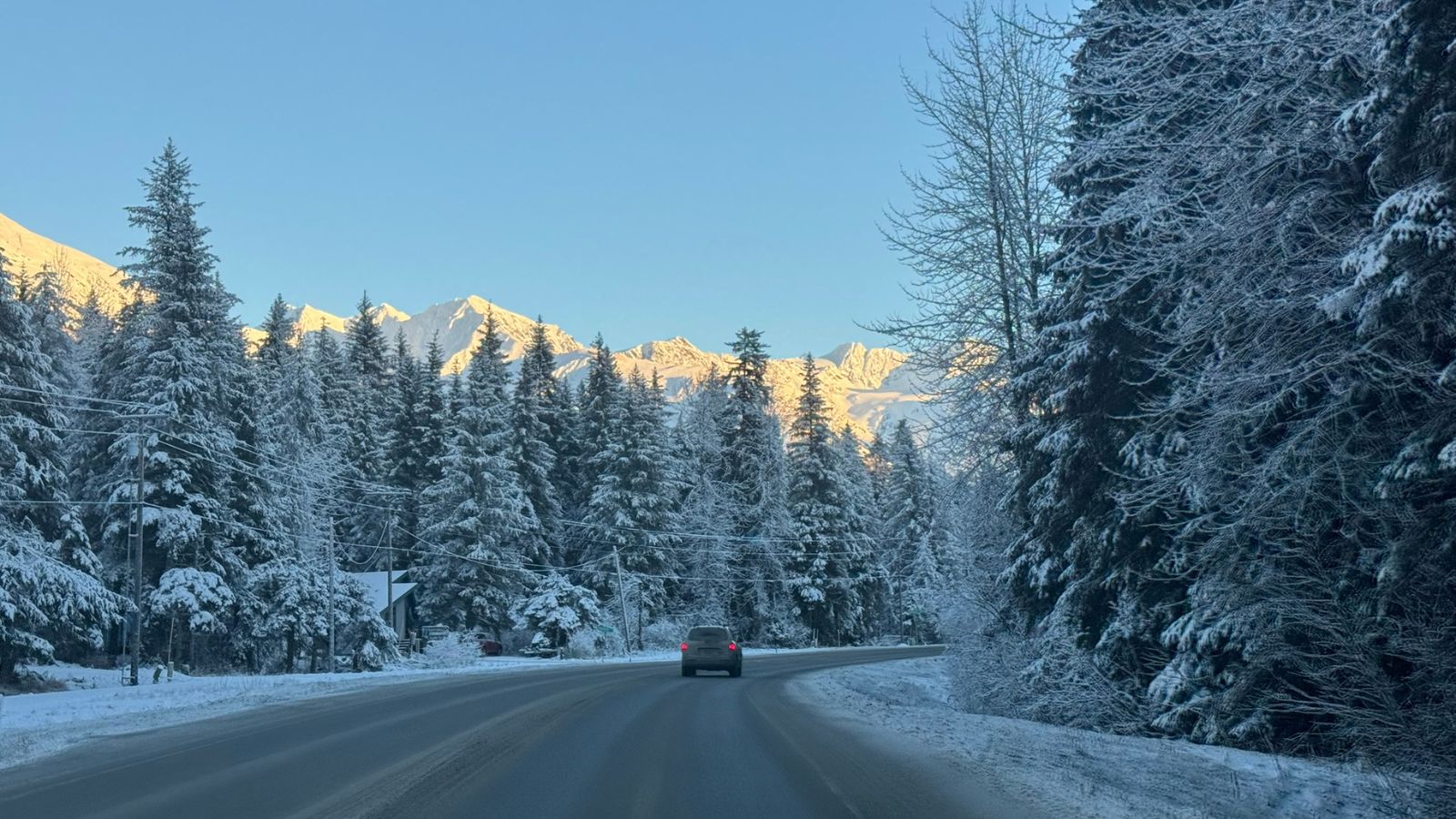
Winter can reveal how a neighborhood really functions: road maintenance, driveway slope, snow storage, ice, plowing, garage usefulness, and how much you enjoy the commute when it is dark and cold.

Spring Breakup

Spring can show drainage, mud, driveway wear, yard condition, and whether water is moving away from the home the way it should. It is not always pretty, but it can be very informative.

Summer

Summer is when Anchorage looks its easiest. You can better judge light, yard use, trail access, outdoor noise, landscaping, nearby parks, and how the neighborhood feels when people are outside.

Fall

Fall can be a useful middle ground. You may see roof condition, gutters, trees, drainage patterns, daylight changes, and whether the neighborhood still feels good as Anchorage starts shifting toward winter.

This is where working with someone local can help. A map can tell you distance. A listing can show you photos. But neither one tells you what it feels like to live on that street, make that commute, maintain that house, or choose that tradeoff.

The best Anchorage neighborhoods to buy a home in are not always the obvious ones. They are the ones that fit your budget, your lifestyle, your tolerance for maintenance, and the way you want to live in Alaska.

Final Thoughts: Where Should You Live in Anchorage?


The best place to live in Anchorage depends on how you want your daily life to feel.

If you want central living and walkability, South Addition, Spenard, Rogers Park, and Turnagain may be worth a close look. If you want trails and outdoor access, Turnagain, South Addition, Bayshore/Klatt, Hillside, Rabbit Creek, Eagle River, and Girdwood may rise to the top. If you want more space, mountain views, or a quieter feel, south Anchorage, Hillside, Eagle River, Chugiak, and the Mat-Su Valley may be worth comparing if space matters more than commute.

If you are moving to Anchorage and buying a home, the smartest choice is not always the neighborhood with the best reputation. It is the neighborhood that fits your budget, commute, winter routine, storage needs, outdoor life, and long-term plans.

Anchorage is full of tradeoffs. But when the neighborhood fits the life you are trying to build, those tradeoffs can be absolutely worth it.

FAQ: Where to Live in Anchorage


There is no single best neighborhood in Anchorage. South Addition, Turnagain, Rogers Park, Hillside, Airport Heights, Spenard, Sand Lake, Bayshore/Klatt, Eagle River, and other areas can all be good choices depending on your lifestyle, budget, commute, and housing needs.

If you want central living, South Addition, Turnagain, Spenard, Rogers Park, and Airport Heights may be worth considering. If you want more space or mountain views, Hillside, Rabbit Creek, Eagle River, Chugiak, or parts of south Anchorage may be a better fit.

Some of the best Anchorage neighborhoods for families include Rogers Park, Airport Heights, Sand Lake, Bayshore/Klatt, Huffman/O’Malley, Eagle River, and Chugiak.

The right choice depends on schools, commute, budget, yard space, garage needs, and whether you want central convenience or a quieter suburban feel.

South Addition is one of the strongest options for walkability in Anchorage because of its access to downtown, the Coastal Trail, Westchester Lagoon, coffee, restaurants, and nearby services.

Downtown, parts of Spenard, North Star, and some central areas can also work for people who want more walkable daily routines. That said, Anchorage is still a car-oriented city, so walkability is relative.

If you love trails, consider Turnagain, South Addition, Bayshore/Klatt, Hillside, Rabbit Creek, Glen Alps, Bear Valley, Eagle River, or Girdwood.

The right answer depends on whether you want coastal trails, mountain access, ski access, bike routes, or a quieter outdoor lifestyle.

First-time buyers may want to look at Airport Heights, Spenard, Muldoon/Northeast Anchorage, Taku/Campbell, Abbott Loop, Midtown-adjacent pockets, or condos and townhomes in central areas.

The best choice depends on monthly payment, home condition, commute, HOA dues, and how much maintenance you are ready to take on.

Neighborhoods and areas often considered for JBER access include Eagle River, Chugiak, Muldoon/Northeast Anchorage, Government Hill, and parts of East Anchorage.

The best option depends on your gate, commute tolerance, family needs, and whether you prefer Anchorage convenience or a more suburban setting.

Anchorage usually offers more city convenience, shorter access to restaurants, medical care, services, downtown, Midtown, and a wider range of neighborhoods.

Eagle River may appeal more if you want a suburban feel, mountain access, JBER convenience, and a little more separation from the Anchorage Bowl. The tradeoff is commute and fewer city amenities immediately nearby.

The Mat-Su Valley may offer more space, more land, and sometimes more house for the money, but it usually comes with a very different daily routine than living in Anchorage.

If you work in Anchorage, commute time, winter driving, services, schools, and lifestyle should all be part of the decision. For some buyers, the extra space is worth it. For others, the Anchorage Bowl is a better fit because daily convenience matters more.

Renting first can be smart if you are new to Anchorage and unsure about your neighborhood preference, commute, winter tolerance, or long-term plans.

That said, rents can be high, and good rentals are not always easy to find. If you are confident about your job, budget, and lifestyle needs, buying may still make sense. The key is understanding neighborhoods before you commit.

Spenard can be a great neighborhood for the right buyer.

It is central, creative, close to restaurants, convenient to the airport, Midtown, and downtown, and has more personality than many parts of Anchorage. But it is also mixed and block-by-block, so buyers should evaluate the specific location carefully.

Planning a Move to Anchorage?

Choosing where to live here is not just about price or commute. It is about lifestyle, winter routines, access to services, outdoor access, schools, storage, and how much convenience you want day to day.

If you are trying to understand which Anchorage neighborhood actually fits your life, I would be happy to help you think through the tradeoffs.

Ask a Local Before You Move

Check out this article next

Cost of Living in Anchorage, Alaska: What Relocators Should Actually Expect

Cost of Living in Anchorage, Alaska: What Relocators Should Actually Expect

If you are thinking about moving to Anchorage, Alaska, you have probably heard wildly different things about the cost of living here.Some people describe Alaska…

Read Article
About the Author
Rod Skowronek
Roderick Skowronek is an Anchorage-based Realtor, investor, and property manager with a background in finance and real estate investing. He helps buyers, sellers, and investors make thoughtful real estate decisions with clear numbers, practical guidance, and a strong understanding of Alaska lifestyle.

Leave a Reply

Your email address will not be published. Required fields are marked *

This site uses Akismet to reduce spam. Learn how your comment data is processed.