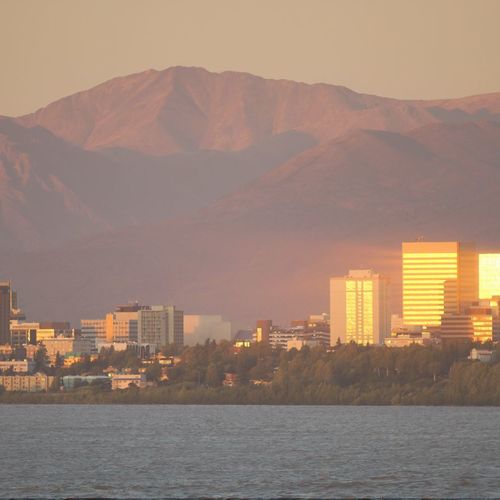
Cost of Living in Anchorage, Alaska: What Relocators Should Actually Expect

If you are thinking about moving to Anchorage, Alaska, you have probably heard wildly different things about the cost of living here.

Some people describe Alaska as impossibly expensive. Others say Anchorage feels surprisingly manageable compared to cities like Seattle, Denver, or Portland. Social media does not always help either. Videos about $15 milk or extreme grocery prices in remote villages often shape people’s perception of Alaska before they ever visit.

The reality of living in Anchorage, Alaska is far more nuanced.

The cost of living in Anchorage, Alaska is higher than the national average in several categories, especially healthcare, groceries, contractor work, and certain services. But Anchorage is also Alaska’s largest city and supply hub, with Costco, Fred Meyer, Carrs, Walmart, major trucking infrastructure, and a much more normal day-to-day economy than many outsiders expect.

Housing is expensive, though often less than major West Coast cities. Parking is relatively inexpensive and easy compared to most larger U.S. cities. Traffic is manageable. Outdoor recreation replaces a surprising amount of paid entertainment for many residents. Lifestyle also matters enormously here.
Quick Answer

The cost of living in Anchorage, Alaska is higher than the national average, especially for healthcare, groceries, utilities, contractor work, and some services. However, Anchorage is generally less expensive than major West Coast cities for housing, and daily costs vary heavily depending on your neighborhood, lifestyle, insurance, and how much you actually use Alaska’s outdoor access.

Quick Cost Snapshot

Category Typical Anchorage Reality
Housing
1-bedroom apartment $1,100–$1,350/month
Median single-family home $450k–$650k+
Utilities (winter) $350–$650+/month
Daily Living
Monthly groceries (couple) $800–$1,400
Dinner for two $70–$100 with drinks/tip
Coffee shop drink $5–$8
Financial Reality
Car insurance Higher than national average
Healthcare costs Much higher than most U.S. cities
Comfortable salary (single adult) $75k–$110k+

Practical local estimates based on real Anchorage living patterns, not official averages.

Is Anchorage, Alaska Expensive?

The short answer is yes, Anchorage is expensive compared to the national average.

But it is expensive in different ways than people often expect.

Housing in Anchorage is usually less extreme than cities like Seattle, Vancouver, San Francisco, or parts of Colorado’s Front Range. The categories where people tend to feel the difference most are healthcare, contractor work, groceries, utilities, flights, imported goods, and services tied to labor shortages.

At the same time, some costs are lower or easier than expected. Alaska has no state income tax, Anchorage has no sales tax, traffic is relatively manageable, and parking is far less painful than in many larger cities.

That is why understanding the Anchorage Alaska cost of living is not only about numbers. It is also about understanding how daily life changes once you live here.

If you are still early in your research about moving to Anchorage, it helps to understand not only the costs, but also the lifestyle and neighborhood tradeoffs that shape daily life here.

Housing Costs in Anchorage

Housing is usually the biggest factor in the cost of living in Anchorage, Alaska.

Compared to much of the Midwest or South, Anchorage housing feels expensive. Compared to Seattle or Vancouver, it can feel more reasonable. But the housing stock itself often surprises relocators.

A large portion of Anchorage homes were built between the 1950s and 1970s, which means buyers and renters frequently need to think about insulation quality, heating systems, snow management, roofing, drainage during breakup season, garage or carport space, and deferred maintenance.

Garages matter far more in Alaska than in many Lower 48 cities. A heated garage is not simply a luxury feature for many residents. It becomes part of winter practicality.

Housing Snapshot

Housing Type Typical Anchorage Range
1-bedroom apartment $1,100–$1,350/month
2-bedroom apartment $1,400–$1,800/month
3-bedroom house $2,400–$3,200/month
Starter single-family home $350k–$450k+
Mid-range family home $550k–$650k+

Prices vary significantly depending on neighborhood, home condition, garage space, and whether utilities are included.

Neighborhood matters significantly. South Addition, Turnagain, Rogers Park, and Airport Heights often command stronger pricing because of trail access, centrality, neighborhood character, and relatively limited inventory.

Meanwhile, Eagle River and the Mat-Su Valley often offer more space or land for the money, though with tradeoffs in commute times and city access.

Why It Costs More Here

Alaska’s construction season is compressed. Roofing, exterior repairs, landscaping, road work, and major renovations all compete for the same short summer window. Add labor shortages, shipping distance, and limited contractor availability, and prices can rise quickly.

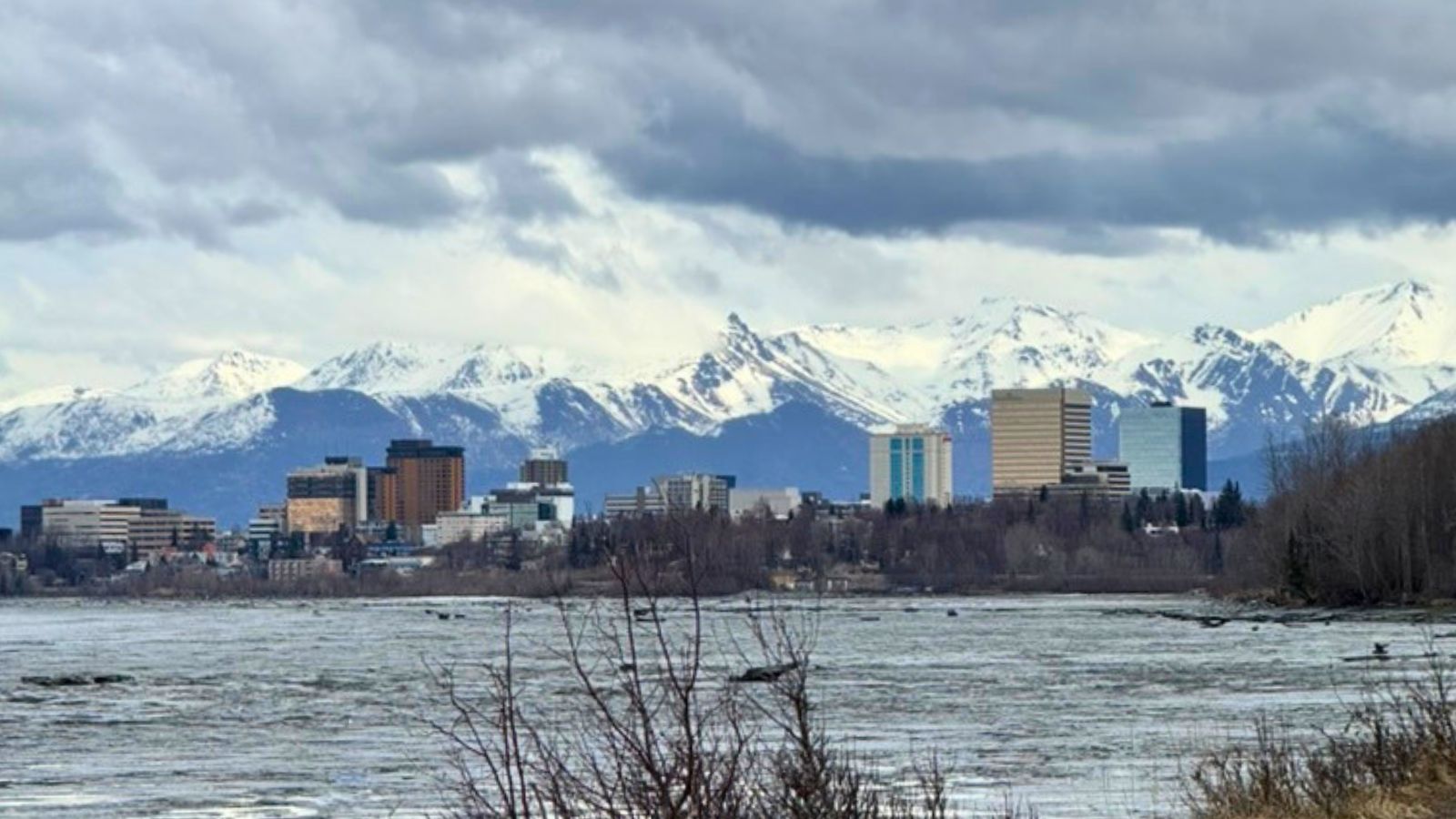
Downtown Anchorage skyline with snow-covered Chugach Mountains in the background

Grocery Prices in Anchorage

Groceries in Anchorage are more expensive than in much of the Lower 48, but not nearly in the way many people imagine.

Social media often gives outsiders the impression that all of Alaska functions like a remote bush village with extreme prices for basic items. That absolutely exists in some isolated Alaska communities dependent on air cargo or seasonal barges. Anchorage is completely different.

Anchorage is Alaska’s largest city and supply hub. It has Costco, Fred Meyer, Carrs, Walmart, major trucking routes, and a relatively normal urban grocery environment. You are not paying $15 for a gallon of milk in a typical Anchorage grocery store.

Myth vs. Reality

The myth: groceries in Alaska mean $15 milk and impossible food prices.

The reality: that can be true in remote Alaska villages, but Anchorage is Alaska’s largest city and supply hub. Groceries cost more than in much of the Lower 48, but they are not rural Alaska prices.

Local Cost Notes

ItemTypical Anchorage Range
Restaurant entrée$22–$30
Fast casual lunch$15–$22
Craft beer pint$8–$11
Coffee shop drink$5–$8
Weekly Costco run for a couple$150–$250

Many Costco items are often only a few dollars more than places like Denver. The difference is real, but usually not shocking.

Produce quality can vary seasonally, especially in winter and early spring. Restaurants are where many relocators feel Anchorage pricing more strongly. A casual dinner for two can easily reach $70–$100 after drinks and tip.

Utility Costs and Winter Expenses

Utilities in Anchorage vary enormously depending on the home.

A newer townhouse with efficient insulation and natural gas heat may feel fairly manageable. An older home with poor insulation or inefficient heating can become expensive quickly during winter.

This is one reason why evaluating utility history matters when buying a house in Anchorage.

Utilities & Home Costs

Expense Typical Anchorage Range
Natural gas (summer/winter) $100/$350+/month
Electric bill $60–$100/month
Internet $90–$150/month
Water + wastewater $130/month
Trash service $25–$60/month
Snow removal (optional) $50–$250/month seasonal
Lawn care (optional) $80–$250/month seasonal

Utility costs vary significantly depending on home size, insulation quality, heating source, and whether utilities are included in rent.

Winter preparation is one of the hidden parts of Anchorage utilities cost and winter expenses that relocators often underestimate.

Good tires matter. Good boots matter. Proper layers matter. Most long-term residents eventually learn that investing in quality winter gear improves daily life dramatically.

Transportation Costs in Anchorage

Most Anchorage residents own cars.

Public transportation exists, but Anchorage is geographically spread out and winter conditions can make car-free living difficult depending on your neighborhood and lifestyle.

Transportation Snapshot

Expense Typical Anchorage Reality
Gasoline 15–25% above national average
Seasonal tire swap $100–$180
Uber ride across Anchorage $18–$45
People Mover bus fare $2
Airport parking (daily) $13

Most Anchorage households own cars, though transportation costs are partially offset by shorter commutes and relatively manageable traffic.

One thing many relocators appreciate is that traffic in Anchorage is relatively manageable compared to many large metro areas. Commutes are often much shorter than in Seattle, Denver, Los Angeles, or other major cities.

Parking is also far easier and cheaper than many newcomers expect. Downtown street parking is generally free after 6 PM and on weekends, and parking costs overall are relatively modest compared to larger U.S. cities.

Healthcare Costs and Insurance in Anchorage

Healthcare is one of the least discussed but most important parts of the cost of living in Anchorage, Alaska.

Healthcare costs in Alaska are genuinely high, and many relocators are surprised by how limited the system can feel compared to larger metropolitan areas.

Insurance competition is relatively limited. For 2026, Alaska’s ACA-compliant individual health insurance market includes Premera Blue Cross Blue Shield of Alaska and Moda Health. That limited carrier landscape can make the system feel close to a duopoly, especially for people comparing Alaska to larger states with more insurer competition.

That limited competition contributes to higher premiums, higher deductibles, fewer provider options, and specialist shortages in some fields.

Self-employed people often feel Alaska healthcare costs especially strongly.

Wait times can also be longer than many newcomers expect depending on the specialty. For more advanced care, many Alaskans occasionally travel to Seattle.

That does not mean healthcare quality is poor. Anchorage has strong institutions including Providence Alaska Medical Center, Alaska Regional Hospital, and Alaska Native Medical Center. But availability, competition, and pricing realities are very different from many Lower 48 cities.

Lifestyle & Discretionary Spending in Anchorage

One thing that surprises many relocators is that Anchorage spending patterns often shift rather than simply increase.

Many residents spend less on commuting, nightlife, parking, or daily urban convenience spending, but more on outdoor gear, travel, hobbies, cabins, home comfort, and seasonal experiences.

That tradeoff feels worthwhile to many people, but it does shape how discretionary spending works here compared to many Lower 48 cities.

Lifestyle & Discretionary Spending

Item Typical Anchorage Reality
Mid-range gym membership $60–$180/month
Movie ticket $14–$18
Ski pass / outdoor hobbies Can become a major lifestyle expense
Furniture delivery/shipping Often significantly higher than Lower 48 cities
Roundtrip flight to Seattle $250–$700+

Anchorage discretionary spending often shifts toward outdoor recreation, travel, hobbies, and home comfort rather than nightlife or long daily commutes.

Some people moving to Anchorage end up spending less overall because they naturally shift toward hiking, skiing, biking, fishing, cabin weekends, and outdoor gatherings instead of frequent urban entertainment spending.

Others discover that Alaska hobbies can become expensive quickly. Backcountry gear, fat bikes, skis, rafting equipment, snowmachines, fishing setups, and frequent travel outside Alaska can all add up fast depending on your lifestyle.

Costs That Are Lower Than People Expect

Not everything in Anchorage is expensive.

In fact, many relocators are surprised by a few categories. Alaska has no state income tax. Anchorage has no sales tax. Parking is easy compared to major cities. Traffic is manageable. And many people naturally spend less on shopping, nightlife, and paid entertainment because Alaska lifestyle revolves heavily around the outdoors.

That does not make Anchorage cheap. But it does mean the cost picture is more balanced than people sometimes assume.

Where Anchorage Can Feel Easier

No state income tax: Alaska does not tax personal income at the state level.

No Anchorage sales tax: everyday purchases avoid a city sales tax.

Cheaper parking: parking is much easier than in many larger metro areas.

Less paid entertainment pressure: trails, ski areas, parks, beaches, and outdoor routines replace a lot of urban spending for many residents.

What Salary Do You Need to Live Comfortably in Anchorage?

This depends heavily on lifestyle expectations.

Someone prioritizing outdoor access, skiing, hiking, biking, and a quieter pace of life may feel comfortable at an income level that would feel limiting in Seattle or Denver.

Meanwhile, someone wanting luxury housing, frequent travel, and high-end urban amenities may find Anchorage expensive quickly.

Comfortable Income Snapshot

Household TypeApproximate Comfortable Income
Single renter$75k–$110k+
Couple$120k–$180k+
Family homeowner$160k–$300k+

Very approximate lifestyle-based estimates, not official benchmarks or financial advice.

One important difference about Anchorage lifestyle is that spending patterns often shift.

Many people spend less on commuting, nightlife, or shopping and more on outdoor gear, cabins, travel, hobbies, experiences, and quality home spaces.

That tradeoff feels worthwhile to many residents.

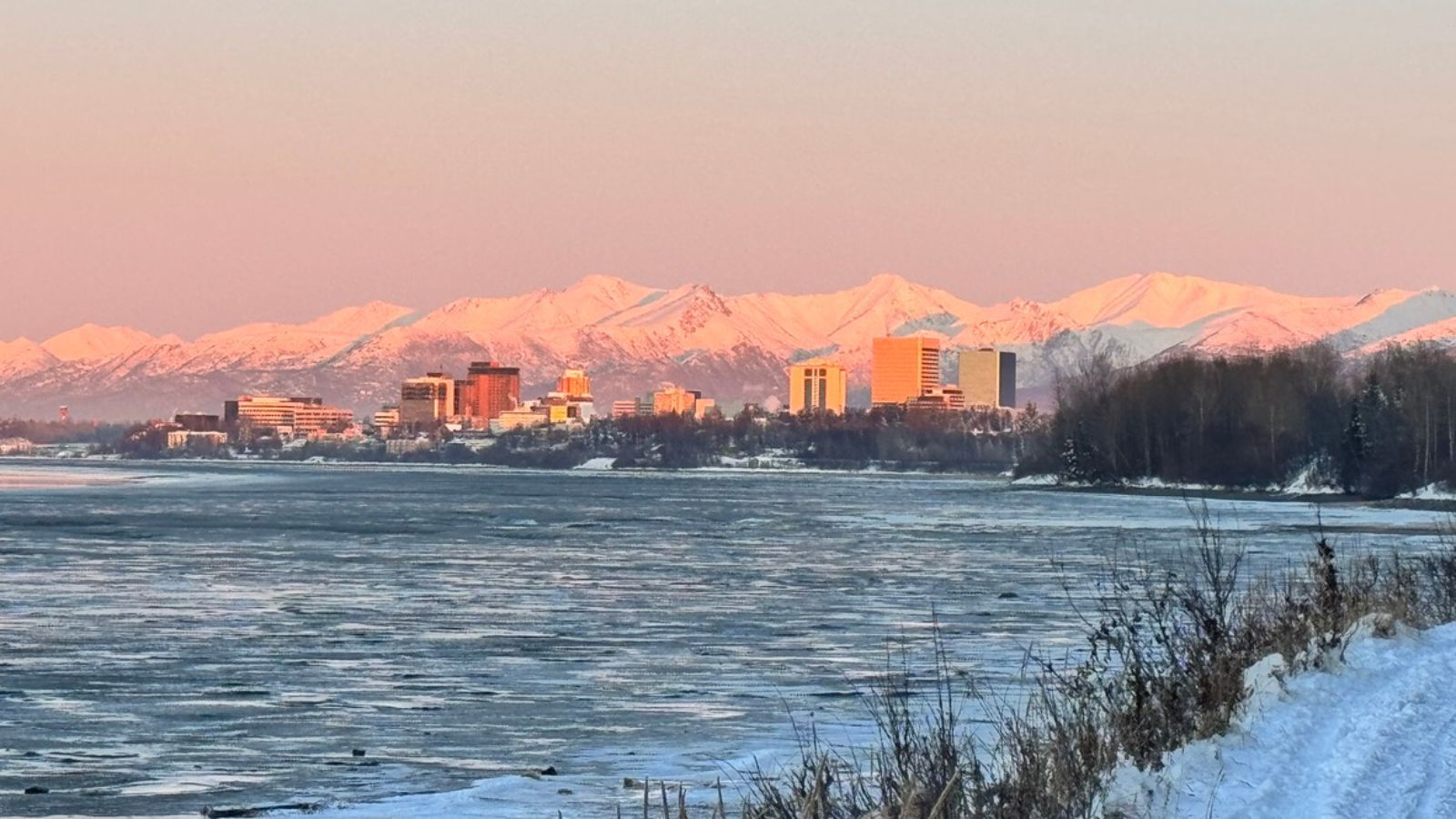
Downtown Anchorage skyline during winter sunset with snow-covered Chugach Mountains and frozen coastal water

Is Anchorage Worth the Cost?

For many people, yes.

But usually not because Anchorage is cheap.

Anchorage is worth it for people who genuinely use what Alaska offers. You can finish work and be on trails, rivers, ski tracks, mountains, or beaches within minutes. Moose become normal. Seasons feel intense and meaningful. Life often becomes more connected to weather, daylight, community, and outdoor movement.

Anchorage also has real tradeoffs: higher healthcare costs, expensive services, limited shopping, fewer direct flights, contractor scarcity, darker winters, and less urban convenience.

But many people still find the balance deeply worthwhile because daily life feels different here.

Anchorage is not cheap, but for the right person, the lifestyle can make the tradeoffs feel worth it.

One important difference about Anchorage lifestyle is that spending patterns often shift.

Many people spend less on commuting, nightlife, or shopping and more on outdoor gear, cabins, travel, hobbies, experiences, and quality home spaces.

That tradeoff feels worthwhile to many residents.

FAQ

Housing is often somewhat cheaper than Denver’s most competitive neighborhoods, but groceries, healthcare, utilities, and services in Anchorage are usually more expensive. The biggest difference is that Anchorage is expensive in categories tied to distance, labor shortages, healthcare, and winter living.

Housing is generally cheaper than Seattle, though some daily costs in Anchorage can actually be higher. Groceries, healthcare, contractor work, and certain services can feel surprisingly expensive. Anchorage may be a better value if you strongly prioritize outdoor access and shorter commutes.

Yes, groceries in Anchorage generally cost more than the national average, but Anchorage is far cheaper and better supplied than remote Alaska villages often shown online. You are not typically dealing with rural Alaska grocery prices in Anchorage.

Utility costs vary heavily depending on the home. A newer, efficient home may be manageable, while an older or poorly insulated home can become expensive in winter. As a planning range, winter utility bills for houses can commonly reach [$250–$500+] per month.

Yes. Healthcare is one of the biggest cost concerns in Alaska. Insurance competition is limited, provider availability can be tighter than in larger cities, and some residents travel to Seattle for specialized care. Employer-sponsored health insurance can make a major difference.

It depends on lifestyle, housing, debt, insurance, and family size. As a rough planning estimate, a single renter may feel comfortable around [$75k–$110k+], a couple around [$120k–$180k+], and a family homeowner around [$160k–$300k+].

That depends on interest rates, your down payment, your timeline, and your tolerance for maintenance. Renting can be smart while learning neighborhoods, but rents are high and rental quality can vary. Buying can make sense if you plan to stay long enough and choose the right home.

If you already own a reliable vehicle, bringing it is often worthwhile. Buying locally can mean more limited inventory and somewhat higher pricing. The best answer depends on the vehicle, shipping cost, timing, and whether you are willing to drive the Alaska Highway.

Planning a Move to Anchorage?

Relocating to Alaska involves much more than comparing home prices online. Neighborhood fit, winter lifestyle, outdoor access, commute patterns, healthcare realities, and long-term goals all shape whether Anchorage will actually feel right for you.

If you are considering moving to Anchorage and want grounded local insight on neighborhoods, lifestyle tradeoffs, or housing budgets, feel free to reach out.

Ask a Local Before You Move

Check out this article next

Moving from Denver to Anchorage: What Colorado Relocators Should Know

Moving from Denver to Anchorage: What Colorado Relocators Should Know

If you are thinking about moving from Denver to Anchorage, the biggest thing to understand is that Anchorage is not a colder, smaller version of…

Read Article
About the Author
Rod Skowronek
Roderick Skowronek is an Anchorage-based Realtor, investor, and property manager with a background in finance and real estate investing. He helps buyers, sellers, and investors make thoughtful real estate decisions with clear numbers, practical guidance, and a strong understanding of Alaska lifestyle.

Leave a Reply

Your email address will not be published. Required fields are marked *

This site uses Akismet to reduce spam. Learn how your comment data is processed.