
How Anchorage Buyers Can Compete Without Cash

Cash offers can be difficult for financed buyers to compete with. They usually involve fewer conditions, less concern about the appraisal, and a lower risk of financing delays. However, that does not mean a seller will always choose cash.

Nationally, cash purchases accounted for 31.4% of home sales during the first four months of 2026, compared with 32.3% during the same period in 2025. Cash still represents a significant share of the market, but it is not increasing.

Anchorage remains competitive. As of July 2026, there were 498 pending sales and 424 active listings. That balance means buyers should expect competition for homes that are well priced and in good condition.

A financed buyer can still present a strong offer by addressing the seller’s main concern: whether the transaction is likely to close on the agreed terms and timeline. Thorough underwriting, a responsive lender, appropriate earnest money, and well-considered contingencies can all make an offer more dependable without exposing the buyer to unnecessary risk.

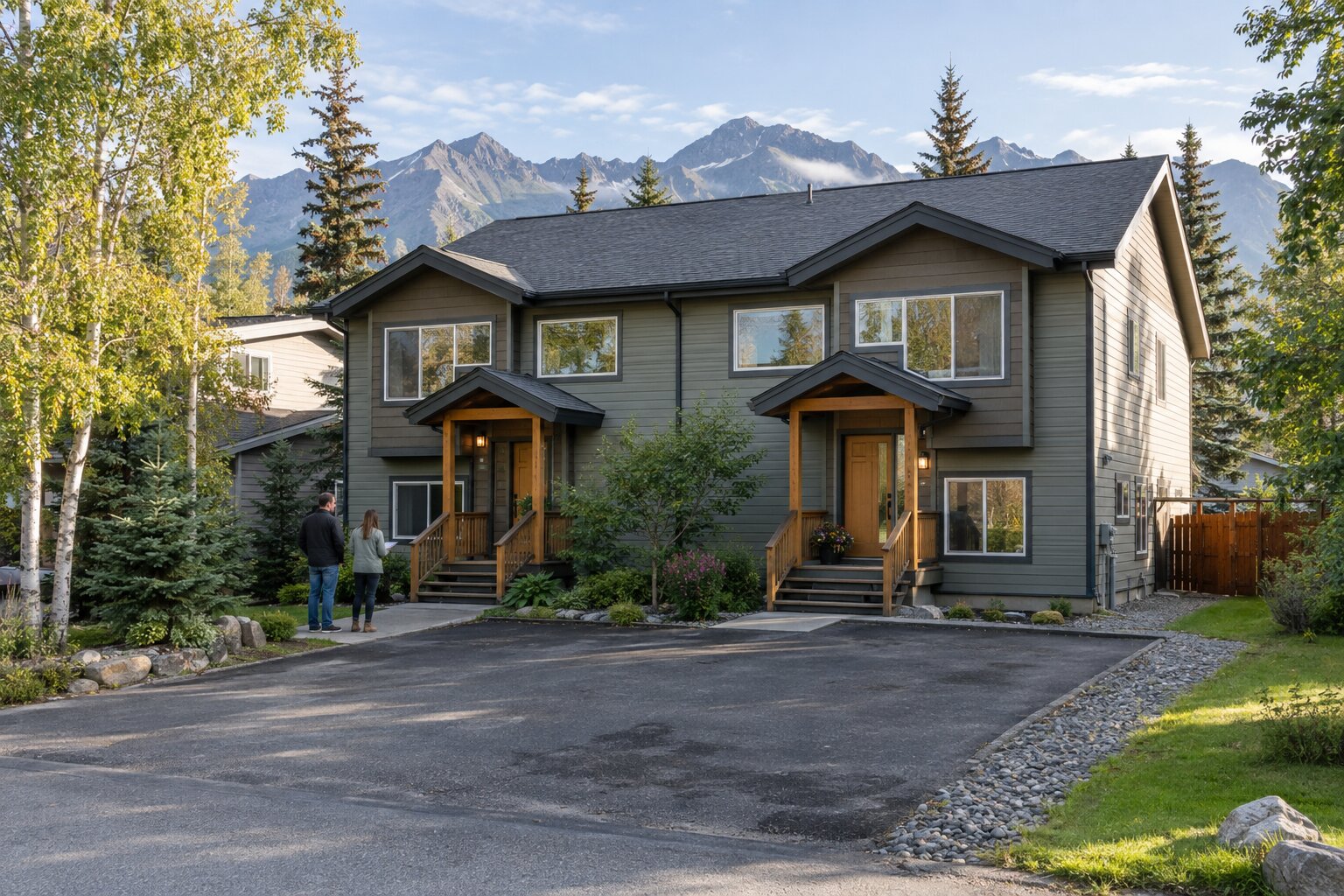
What Cash Sales and Anchorage Inventory Mean for Buyers


Cash buyers tend to have the greatest advantage when a property may be difficult to finance. This can include homes with substantial deferred maintenance, incomplete construction, appraisal concerns, or other conditions that may not meet a lender’s requirements.

They may also be more active in neighborhoods or price ranges that attract investors. Small multifamily properties and homes that need renovation are common examples.

The comparison may be different for a home that is in good condition and likely to satisfy standard financing requirements. In that situation, the seller may be choosing between a cash offer and a financed offer that are both reasonably likely to close.

The seller will usually consider more than the source of the funds. Price, contingencies, closing date, possession, appraisal exposure, and the buyer’s overall preparation can all affect the decision.

For a financed buyer, the objective is not to make the offer appear identical to cash. It is to reduce the practical differences that matter to the seller.

How Can a Financed Offer Provide More Certainty?


A strong financed offer should show that the buyer has been thoroughly reviewed, has enough money to complete the purchase, and is working with people who can keep the transaction on schedule.

Complete as Much Underwriting as Possible


A pre-approval is an important starting point, but pre-approval standards vary by lender. In some cases, the lender has reviewed the borrower’s credit, income, assets, and debts. In others, the review may be more limited.

Pre-underwriting provides a higher level of review. The borrower’s file is submitted to an underwriter before a property is under contract. This allows many borrower-related conditions to be addressed in advance.

The loan will still depend on the property. The lender may need an acceptable appraisal, title work, insurance, and any documents required for the particular loan program. However, completing the borrower review early reduces the chance of an unexpected financing issue after the seller accepts the offer.

Buyers should keep their documents current throughout the search. Pay statements, bank statements, employment information, and documentation for larger deposits may need to be updated. Having those records ready can also help the lender meet a shorter closing schedule.

Work With a Lender Who Understands Alaska Transactions


The lender’s experience can be important when a property or loan has requirements that are less common outside Alaska.

This may include VA financing, AHFC programs, condominium approvals, private wells and septic systems, unusual heating systems, or properties with limited comparable sales. A lender who has handled similar transactions is more likely to identify potential problems before they affect the closing.

Availability also matters. Listing agents sometimes contact lenders before advising a seller on an offer. If the lender answers the phone, understands the file, and can provide a realistic explanation of the closing process, that can make the financing easier to evaluate.

The lender does not need to disclose private financial information. The purpose of the conversation is to confirm the buyer’s level of preparation and the steps that have already been completed.

 
Anchorage home buyer discussing pre-underwriting with an Alaska lender

Provide Clear Proof of Available Funds


A pre-approval letter addresses the loan, but it does not necessarily show that the buyer has enough money for the rest of the transaction.

The offer may also require proof of funds for the down payment, closing costs, earnest money, and any appraisal-gap coverage. When applicable, those documents should be included or made available in a form that protects account numbers and other private information.

This is particularly important when an offer includes terms that require additional cash. A seller is less likely to rely on an appraisal-gap clause if there is no indication that the buyer can cover it.

Choose Earnest Money Carefully


Earnest money demonstrates the buyer’s intention to complete the purchase. In Anchorage, an amount near 1% of the purchase price is common, although practices vary depending on the property and the circumstances of the sale.

A larger deposit may make an offer more attractive, but it also increases the amount that could become disputed or nonrefundable if the transaction does not close. Buyers should understand the contract deadlines and the conditions under which the deposit can be returned.

Earnest money should also be considered as part of the buyer’s larger financial plan. Increasing the deposit is not helpful if it leaves too little money for closing costs, repairs, or reserves.

Ask About the Seller’s Preferred Timeline


Not every seller wants the earliest possible closing. Some need time to complete another purchase, arrange a move, or coordinate a relocation.

Before preparing the offer, the buyer’s agent can ask whether the seller has a preferred closing or possession date. Matching that timeline may improve the offer without changing the price.

In some cases, the seller may request possession after closing. A post-closing occupancy agreement can address that need, but it should clearly cover the length of occupancy, insurance, responsibility for damage, and any deposit or daily charge. Buyers should also confirm that the arrangement is acceptable to their lender and insurer.

Which Offer Terms Matter Beyond Price?


Sellers generally review the offer as a whole. A higher price may be less useful if it is paired with uncertain financing, substantial concessions, or a closing date that does not meet the seller’s needs.

Offer term What it may communicate to the seller
Pre-underwritten loan approval Much of the borrower review has already been completed
Proof of funds The buyer appears prepared for the required cash expenses
Escalation clause with a limit The buyer can compete while maintaining a defined maximum price
Appraisal-gap coverage The buyer may be able to address a low appraisal
Shorter inspection period The transaction can proceed without unnecessary delay
Flexible closing or possession The offer accounts for the seller’s schedule
Lender communication The financing has been reviewed and is being actively managed

These terms should be specific. For example, an appraisal-gap provision should state the maximum additional amount the buyer will contribute. An escalation clause should include a clear price limit and explain what evidence is required to trigger the increase.

The buyer’s agent should also be prepared to explain the offer to the listing agent. This is especially useful when the financing includes a VA loan, AHFC assistance, or another program the seller may not understand.

The explanation should be factual. The listing agent needs to know what has been completed, which conditions remain, and whether the proposed timeline is realistic.

A financed offer does not need to look like cash. It needs to reduce the uncertainties that matter most to the seller.

How Can Duplex and Fourplex Buyers Compete?


Buyers of duplexes, triplexes, and fourplexes may be competing with investors who are evaluating the property primarily for its income. Some of those investors may use cash, but financing is only one part of the comparison.

An owner-occupant may have access to financing that requires a smaller down payment. The buyer still needs to understand the property’s income, expenses, condition, and loan requirements before submitting an offer.

Review the Rental Documents Before the Offer


When possible, buyers should request current leases, rent records, utility information, vacancy history, and operating expenses before the offer deadline.

The seller’s projected rent can be useful, but it should not replace the property’s actual records. Existing leases may also affect when rents can be changed or when a unit will become available for the buyer to occupy.

The buyer’s lender may not use the full rent amount when calculating qualification. The amount credited can depend on the loan program, the buyer’s experience, existing leases, and the appraiser’s opinion of market rent.

For FHA financing on three- and four-unit properties, the property may also be subject to a self-sufficiency calculation. The calculation uses appraiser-supported rental income after an adjustment for vacancy and maintenance.

Buyers considering these properties should discuss the calculation with their lender before submitting an offer.

Confirm the Property’s Legal Use and Loan Requirements


The number of units should be verified rather than assumed from the listing. Buyers should confirm that the current use is legally recognized and that the property can be financed under the proposed loan program.

FHA, VA, and conventional loans may have different requirements for owner occupancy, reserves, property condition, and the treatment of rental income. The requirements may also change based on whether the property has two, three, or four units.

These questions are easier to address before the offer than during the financing period.

Use Realistic Operating Expenses


A basic rental analysis should account for more than the mortgage payment and expected rent. Heat, electricity, water, sewer, snow removal, maintenance, management, and vacancy can materially change the result.

Anchorage’s rental vacancy rate was 5.6% in AHFC’s most recent survey. That provides general market context, but the property’s own rental history is more relevant when it is available.

Older buildings may also require larger allowances for heating-system repairs, roofs, plumbing, drainage, and other capital expenses. Buyers should include those costs when deciding how much they can offer.

 
Anchorage duplex considered by an owner-occupant home buyer

Which Risks Should Anchorage Buyers Limit?


A competitive offer does not need to remove every buyer protection. The better approach is to identify which uncertainties can be reduced and which risks should remain limited.

Keep an Appropriate Inspection Contingency


Waiving an inspection can make an offer simpler for the seller, but it can create substantial risk for the buyer.

Anchorage homes may have concerns involving boilers, furnaces, roofs, crawlspaces, foundations, drainage, moisture, freeze damage, and buried fuel tanks. The cost of correcting these issues can be significant.

A shorter inspection period may be a reasonable alternative. For example, a seven-day period can reduce the seller’s waiting time while preserving the buyer’s opportunity to investigate the property.

The shorter period is only useful if the buyer and agent can schedule the necessary inspections promptly. Specialized evaluations may require additional coordination.

Private wells and septic systems may also involve Anchorage’s municipal transfer approval process. The contract timeline should allow for any testing, documentation, or approval the property requires.

 
Inspector evaluating an Anchorage home before purchase

Limit Appraisal-Gap Coverage


A financed offer is generally subject to an appraisal. If the appraised value is below the purchase price, the lender will usually base the loan on the lower value.

An appraisal-gap clause allows the buyer to agree in advance to cover some of the difference with additional cash. This can reduce uncertainty for the seller, but the commitment should have a clear limit.

Before including appraisal-gap coverage, buyers should calculate the remaining funds after the down payment, closing costs, gap amount, moving expenses, and likely repairs. The offer should not depend on using money that the buyer needs for basic reserves.

Buyers should also understand how the appraisal provision interacts with the financing contingency. The exact contract language determines the available options if the appraisal is low.

Structure VA and AHFC Offers Clearly


Qualified VA buyers may be able to purchase without a down payment or private mortgage insurance. Those benefits can allow the buyer to retain more cash, but some sellers may have questions about appraisal requirements or the closing process.

The buyer’s agent and lender should address those questions directly. A VA offer is easier to evaluate when the seller knows that the buyer has been thoroughly reviewed and the lender has experience with the program.

AHFC’s 3% down option can also help a buyer preserve funds for closing costs and reserves. A smaller down payment results in a larger loan balance, so buyers should compare the monthly payment and total cost with other available options.

The best loan program is not necessarily the one with the largest down payment. It is the one the buyer can qualify for, afford, and close successfully.

What Should Buyers Do After Losing to a Cash Offer?


After an offer is declined, the buyer’s agent can ask whether the seller will consider a backup offer. If the accepted contract ends, a properly prepared backup agreement may allow the buyer’s offer to move into the primary position.

The terms of backup agreements vary. Buyers should understand whether they can continue making offers on other properties, how the backup can be withdrawn, and what notice may be required.

It is also useful to ask the listing agent why the seller selected the other offer. The answer may identify a specific issue involving price, contingencies, financing, or timing.

Not every result requires a change in strategy. Another buyer may simply have offered more than the property was worth to you. When an adjustment is appropriate, it should be deliberate. Removing an inspection contingency or using most of your available cash because one offer was unsuccessful can create larger problems after closing.

The purpose of a competitive offer is to improve the likelihood of acceptance while keeping the purchase financially manageable.

Planning to Buy a Home in Anchorage?

A strong offer is not only about price or whether you can pay cash. Preparation, financing, contingencies, timing, and communication all affect how a seller evaluates the terms.

If you are getting ready to buy in Anchorage, I can help you build an offer that is competitive while keeping the risks and monthly cost manageable.

Build a Stronger Offer

Frequently Asked Questions


Yes. A seller may prefer a financed offer because of its timing, contingencies, net proceeds, or other terms. Cash can reduce financing risk, but it does not determine which offer the seller must accept.

An amount near 1% of the purchase price is common, although the appropriate deposit depends on the property and the level of competition. Buyers should understand when the deposit is refundable before increasing it.

It may. The amount of rental income a lender will consider depends on the loan program, occupancy, leases, appraisal, and the buyer’s qualifications. Three- and four-unit FHA purchases may also need to meet a self-sufficiency requirement.

The result depends on the appraisal, financing, and appraisal-gap provisions in the contract. The buyer may need to contribute additional cash, renegotiate with the seller, or use a contractual right to terminate.

Often, but the answer depends on the backup agreement. Buyers should review the withdrawal and notice provisions with their agent before signing.

Check out this article next

Anchorage End-of-Summer Home Maintenance Checklist: What to Do Before Freeze-Up

Anchorage End-of-Summer Home Maintenance Checklist: What to Do Before Freeze-Up

There's a moment every August in Anchorage that stops you mid-coffee. You glance up at the Chugach and there it is: a thin line of…

Read Article
About the Author
Rod Skowronek
Roderick Skowronek is an Anchorage-based Realtor, investor, and property manager with a background in finance and real estate investing. He helps buyers, sellers, and investors make thoughtful real estate decisions with clear numbers, practical guidance, and a strong understanding of Alaska lifestyle.

Leave a Reply

Your email address will not be published. Required fields are marked *

This site uses Akismet to reduce spam. Learn how your comment data is processed.