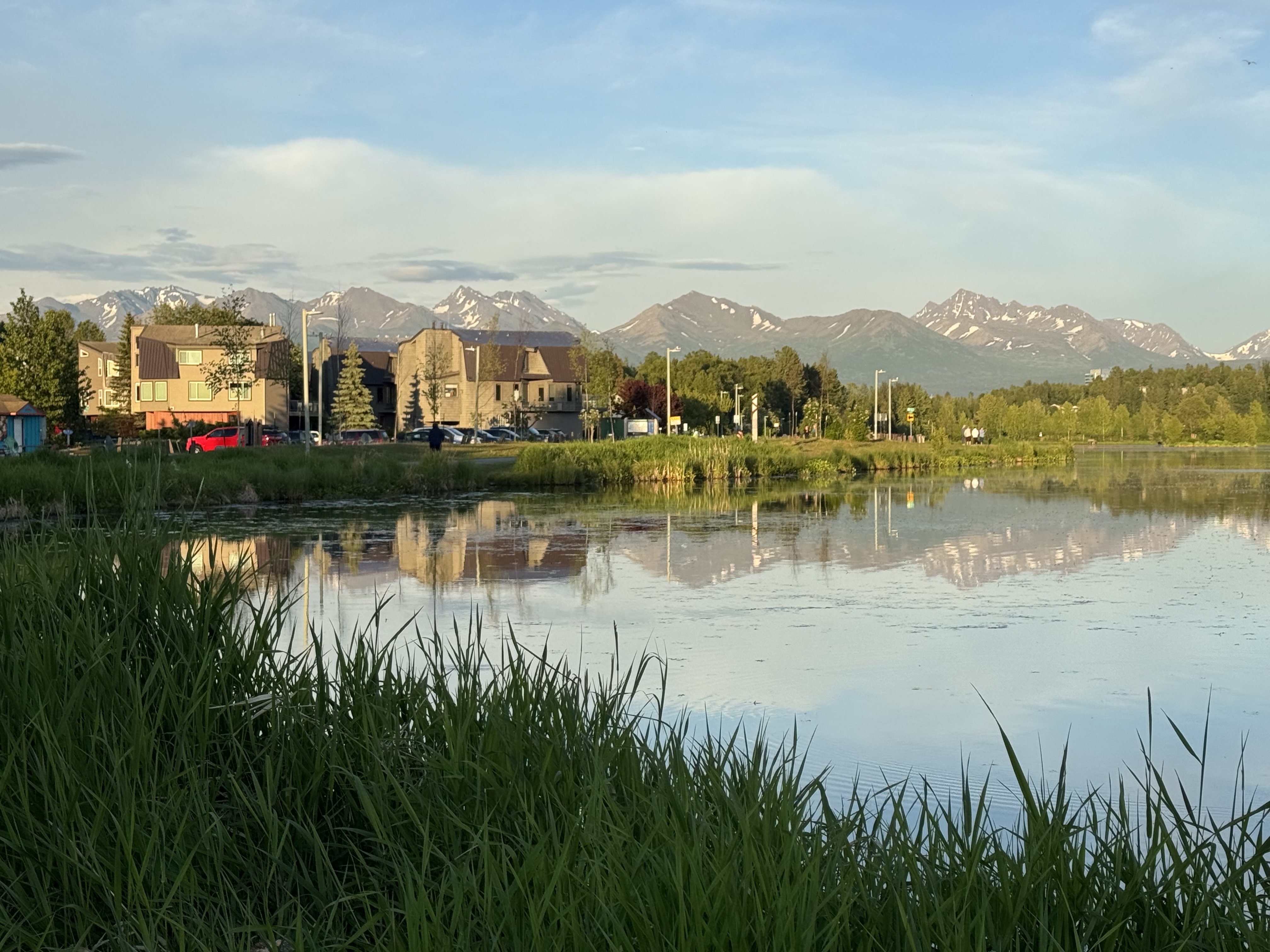
There's a moment every August in Anchorage that stops you mid-coffee. You glance up at the Chugach and there it is: a thin line of white on the upper ridgelines. It's barely August 31, and the mountains already have snow on them. It's not a crisis. But it's not subtle either.
That's Anchorage telling you something.
The workable weather window here is genuinely short, and it closes faster than most people expect. Once the ground freezes and snow settles in, a lot of ordinary maintenance becomes harder, more expensive, or just not possible until spring. This checklist is for homeowners who want to use what's left of summer with some intention, not because they're selling, but because they care about their home and want a comfortable, safe winter.
A note on sources: local climate data referenced here draws on National Weather Service Anchorage records through 2024. Product specs reflect manufacturer guidance current as of 2025.
Before Freeze-Up: The Short Version
The freeze comes early: Anchorage's earliest recorded first freeze is August 28. Exterior work that needs warm, dry conditions is time-sensitive right now.
Water is the main threat: Where water ends up at your foundation determines most of the serious damage. Gutters, grading, and downspouts are your first line of defense.
Book heating service now: Contractor availability tightens fast once cold weather hits. Don't wait until you need it.
Small repairs compound: A cracked caulk line or loose board is a cheap fix in August. In January, it's a bigger problem.
Emergency supplies need a refresh: Batteries, water jugs, and generator fuel are easy to overlook until you actually need them.
Ventilation matters more than people think: Bathroom fans and CO alarms directly affect air quality and safety through the heating season.
Know when to call someone: Roof surfaces, combustion systems, and structural concerns are worth paying a professional for.
In This Guide
- Why Anchorage's Maintenance Window Closes So Quickly
- Protect Drainage, the Foundation, and Exterior Plumbing
- Inspect the Roof, Siding, Deck, and Exterior Surfaces
- Seal Doors, Windows, and Utility Openings
- Service Heating Systems and Restore Airflow
- Check Ventilation, Smoke Alarms, and CO Alarms
- Refresh Emergency Supplies and Winter Equipment
- Finish the Small Repairs That Become Winter Hazards
- Know What to DIY and When to Hire a Professional
- Special Considerations for Materials, HOAs, Records, and Rentals
- What to Prioritize if the Weather Window Is Already Short
- Frequently Asked Questions
Why Anchorage's Maintenance Window Closes So Quickly
Most places ease into fall. Anchorage doesn't really work that way.
National Weather Service records show Anchorage's earliest first freeze on record is August 28, with average first freeze dates landing in mid-September depending on where you live. And that's the airport reading. If you're on the Hillside, in Eagle River, Chugiak, or down in Girdwood, your overnight lows can drop earlier than what the official forecast suggests.
Watch surface moisture and overnight lows more than the calendar. When a product label says "apply above 40°F," it means the surface temperature, not the air temperature at noon.
Some projects are fine in October. Others genuinely aren't. The ones that matter most right now are the ones where temperature, curing time, or safe access are real factors.
Protect Drainage, the Foundation, and Exterior Plumbing
This is the single highest-value thing most Anchorage homeowners can do before freeze-up.
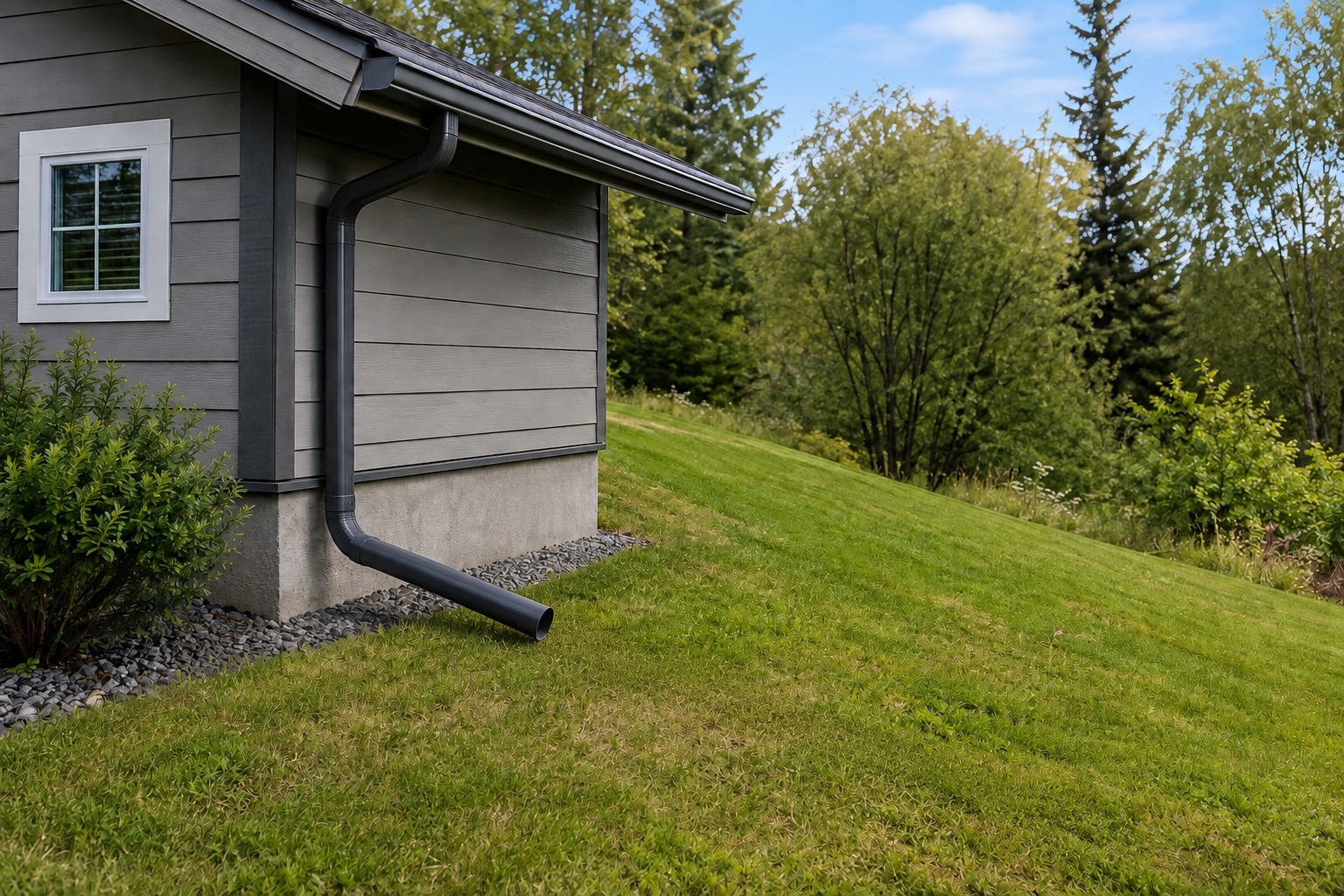
Clear gutters and downspouts completely, then confirm that downspouts discharge well away from the foundation, not just beside it. A downspout that empties six inches from the house sends meltwater right where you don't want it come spring.
Walk the perimeter and look for low spots where soil has settled toward the house. If you have a crawlspace, check it before snow makes access awkward. Damp insulation, staining on the framing, or any standing water are worth addressing now, not in March.
Disconnect and drain all hoses, then close the interior shutoff valves for exterior hose bibs where they exist. Leave the exterior tap open so remaining water can drain out. A hose left connected through a freeze is one of the most common causes of a burst line, and it's also one of the most avoidable.
If your home has an irrigation system, get it blown out before freeze-up. Homes with boiler-based heating also have an added consideration: the boiler may need make-up water through the winter, so confirm that connection is working before the heating season starts.
Inspect the Roof, Siding, Deck, and Exterior Surfaces
Inspect the Roof Safely From the Ground
You don't need to get on the roof to do a useful inspection. Binoculars from the ground will show you displaced shingles, lifted flashing, sagging gutters, and debris in the valleys. Wet, cold roof surfaces and ladders are a poor combination, and most of what you're looking for is visible from the ground anyway.
Check siding joints, fascia, soffits, and any spots where pipes or vents penetrate the exterior. Active leaks and loose trim are worth fixing before snow covers the damage and the problem quietly gets worse underneath.
Repair the Deck Before You Seal It
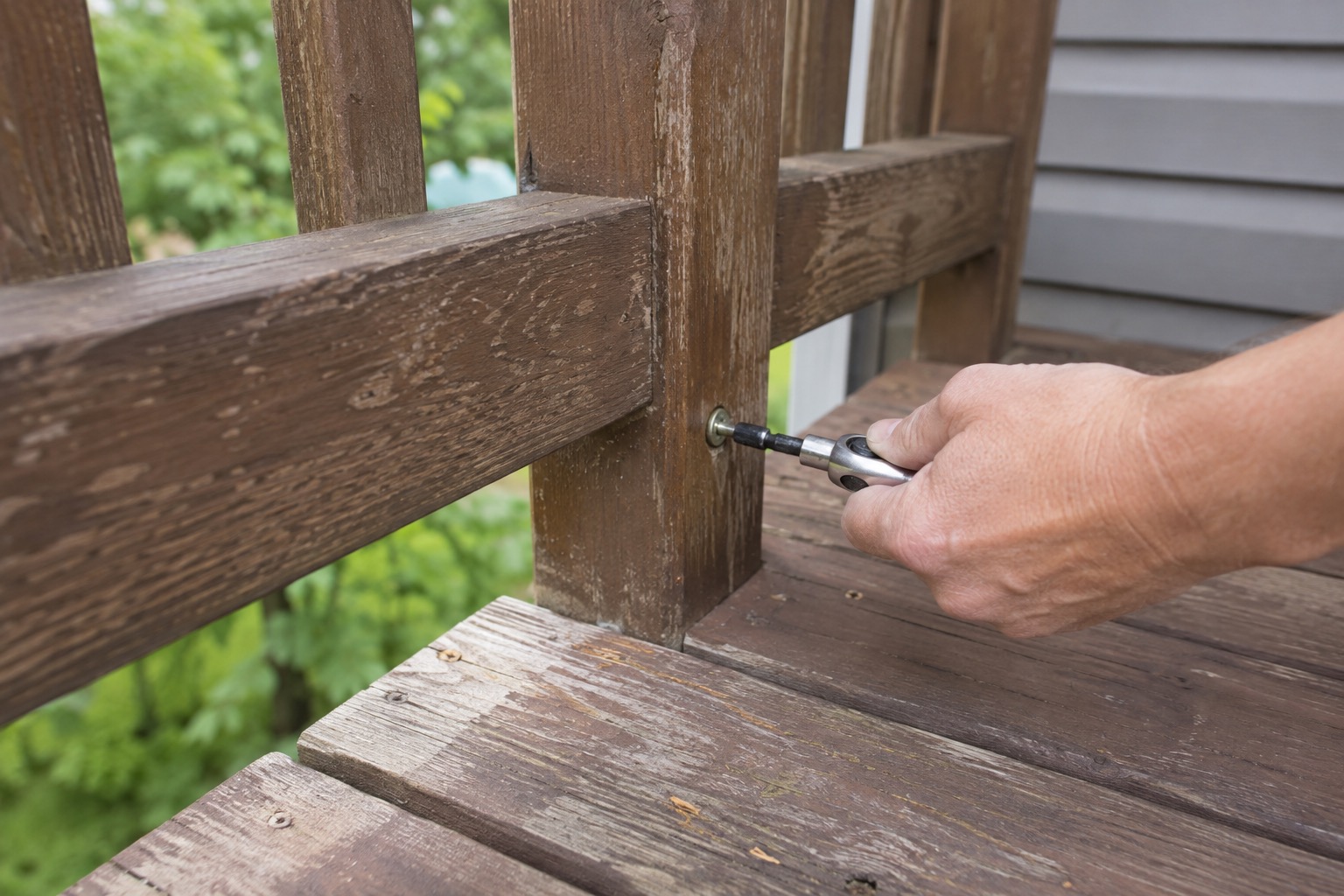
Decks, stairs, and railings take real punishment through an Anchorage winter. Before you seal anything, replace soft or damaged boards, tighten loose railings, and reset any fasteners that have backed out.
Then check the weather window carefully. A common deck stain like Behr DeckPlus requires air and surface temperatures between 40°F and 90°F with no rain for 24 hours after application. A late-season application that doesn't meet those conditions won't cure properly and can peel by spring. If the window isn't there, it's honestly better to wait until next summer.
Seal Doors, Windows, and Utility Openings
Drafts around doors and windows cost you comfort and money all winter. Check weatherstripping, door sweeps, and garage-door bottom seals for wear or compression. Replace what's cracked.
Also check around pipe penetrations and utility entries. One thing worth knowing: don't block designed ventilation openings. Crawlspace vents, for example, are sometimes sealed by well-meaning homeowners when they're actually meant to stay open or be managed seasonally based on your specific setup.
Related Article: Cost of Living in Anchorage, Alaska
Service Heating Systems and Restore Airflow
Book Service Before the First Real Cold Snap
Getting your heating system sorted before the season starts is one of those things that's easy to push off and genuinely worth not pushing off.
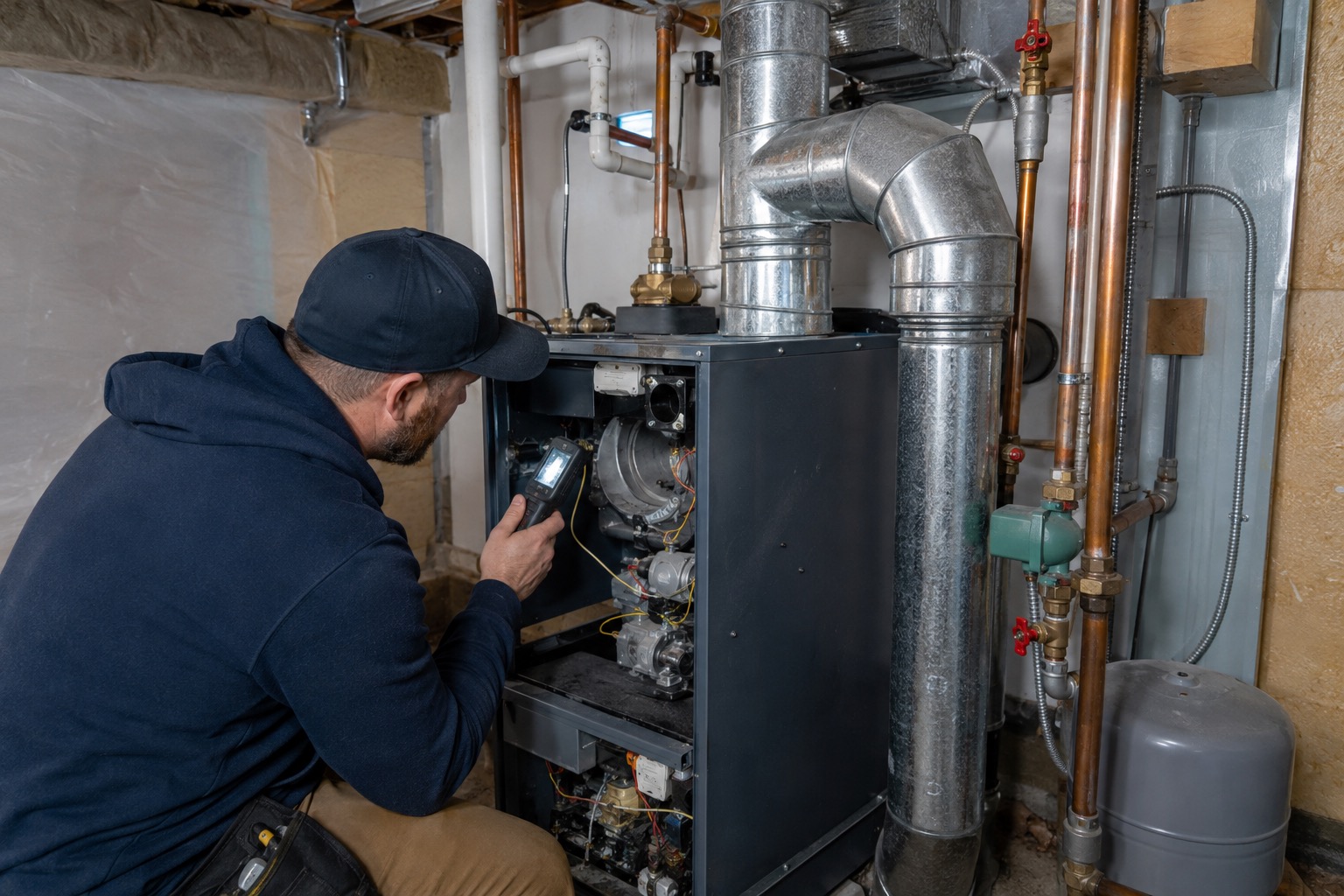
Book furnace, boiler, garage heater, and chimney or wood stove service now. Contractor calendars in Anchorage fill quickly once the first real cold snap hits, and "I'll call next week" often turns into a two-week wait right when you need heat most.
A qualified heating contractor will check combustion venting, thermostat function, zone valves, and freeze-protection settings. If you have a wood stove or fireplace, a chimney inspection confirms the flue is clear before you start burning.
Replace Filters and Clear Airflow Paths
A clogged filter makes your furnace work harder, reduces airflow, and wears the system down faster. Replace filters at the start of the heating season and stock a few extras so you're not hunting for the right size in February.
While you're at it, vacuum accessible registers, make sure returns aren't blocked by furniture, and clean the dryer exhaust duct if it hasn't been done recently. A clogged dryer vent is a fire hazard and noticeably reduces efficiency.
Check Ventilation, Smoke Alarms, and CO Alarms
Bathroom fans are easy to overlook, but they do real work in an Anchorage home through the long heating season. Alaska Housing Finance Corporation guidance recommends 20 CFM continuous or 50 CFM intermittent ventilation for bathrooms. Fans that exhaust into the attic instead of outside, or that are too underpowered to move air, contribute to moisture buildup that shows up later as mold or damaged insulation.
Test every smoke and CO alarm in the house. The Alaska Division of Fire and Life Safety recommends alarms on every level of the home. Replace batteries now and note when units are due for full replacement since most have a 10-year lifespan.
Refresh Emergency Supplies and Winter Equipment
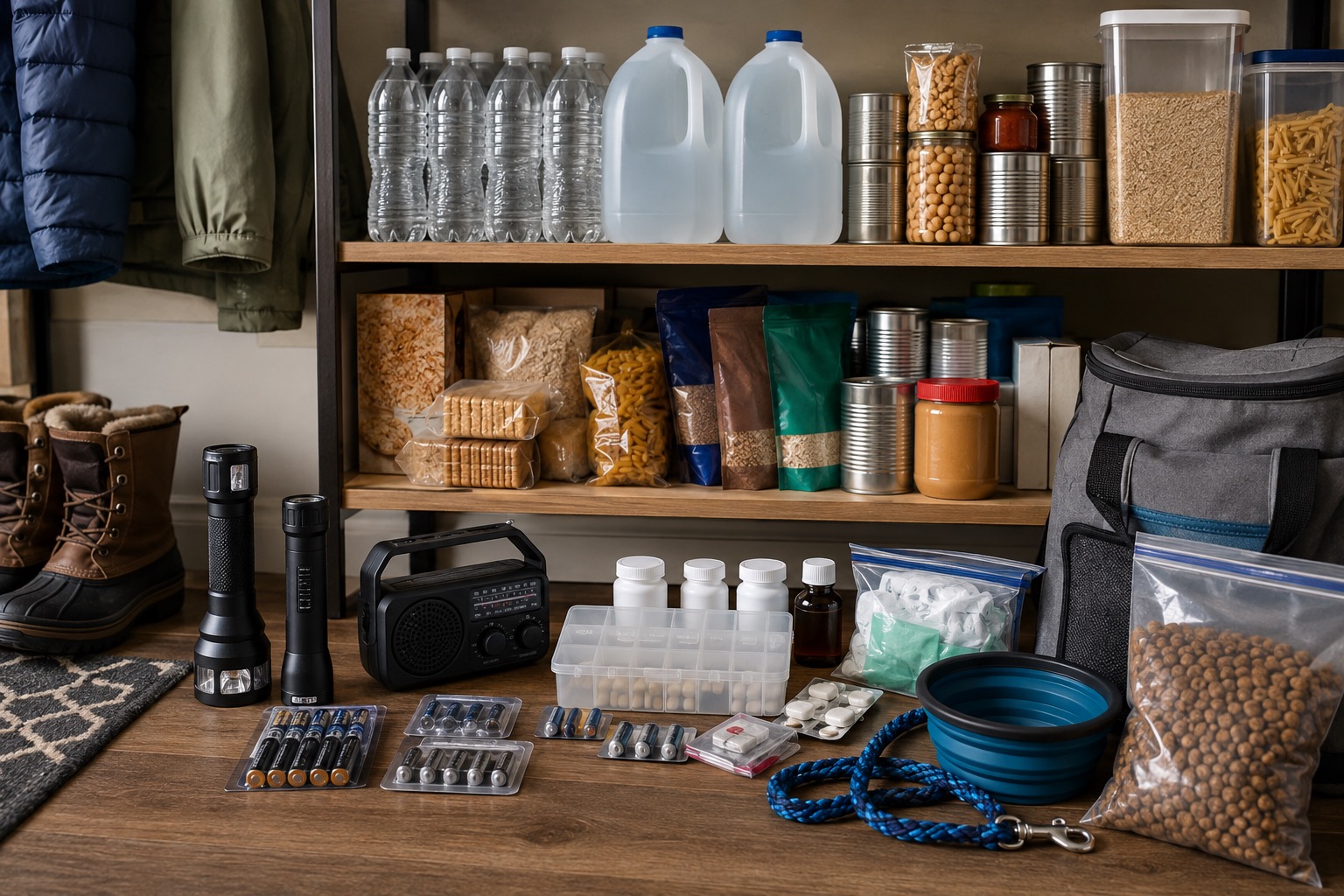
Anchorage sits in an active seismic zone and gets winter storms that can knock out power for hours or longer. The Municipality of Anchorage recommends a seven-day emergency supply: water, food, medications, batteries, lighting, pet supplies, cash, and basic sanitation items.
August is a good time to rotate food supplies, replace expired batteries, refill water jugs, and confirm you have a backup heating plan if the primary system goes down. Pull out the snowblower, test it, and add fuel stabilizer to any equipment that sat through summer. Find the shovels before the first storm makes that search more urgent than it needs to be.
Finish the Small Repairs That Become Winter Hazards
This is less about big projects and more about the things that are easy to fix in August and become genuinely annoying or unsafe by January.
Loose steps and handrails are a good example. A slightly wobbly railing is a minor nuisance in summer. Covered in ice, it's a fall hazard. Same goes for uneven pavers near entries, cracked concrete, or exterior lights that have stopped working.
Check door hardware, latches, and gate hinges. Look at caulk around exterior fixtures and trim. Fix minor leaks under sinks or at hose connections before freeze-up makes plumbing problems worse.
Also think about storage. Outdoor furniture, tools, hoses, and fuel-powered equipment all do better stored properly than left outside through an Anchorage winter. Batteries in particular, for power tools, emergency lights, and vehicles, last longer when kept above freezing.
Know What to DIY and When to Hire a Professional
Some things are worth doing yourself. Others aren't, and the line in Alaska is a little different than in milder climates.
Roof work, chimney and flue inspection, combustion system service, and any electrical concerns are worth hiring out. Wet, cold roof surfaces are genuinely dangerous, and combustion systems have real consequences if something gets missed.
Recurring crawlspace moisture, structural concerns, and anything involving gas lines also fall in the "call someone" category. If you're not sure whether a problem is minor or significant, a contractor walkthrough is a reasonable investment. The cost of a professional opinion is almost always less than finding out the hard way in February.
A Simple Rule
Handle visible, accessible maintenance yourself when you can do it safely. Hire a qualified professional when the work involves height, combustion, gas, electricity, structure, or recurring moisture.
Special Considerations for Materials, HOAs, Records, and Rentals
For Paints, Sealants, and Stains
Apply only when the product's temperature and rain-free curing requirements can both be met. Check the specific product label, not just the forecast high for the day.
For Condos and HOA Properties
Check your declaration, bylaws, and HOA maintenance schedule before arranging any exterior work. Responsibility varies a lot between associations.
For Maintenance Records
Dated photos, invoices, and service notes are worth keeping. They're useful for warranty claims, insurance purposes, and your own memory when the same issue comes up two years later.
For Anchorage Landlords
Define snow removal, filter replacement, and heating responsibilities in writing, and provide at least 24 hours' notice for routine access under Alaska landlord-tenant law.
What to Prioritize if the Weather Window Is Already Short
Drainage, exterior plumbing winterization, active leaks, heating service, and safety alarms come first. Cosmetic indoor projects can wait.
Do These First
- Move water away from the foundation and correct active drainage problems.
- Disconnect hoses, drain exterior plumbing, and winterize irrigation.
- Address active roof, siding, plumbing, or crawlspace leaks.
- Schedule heating and chimney service before contractor calendars tighten.
- Test smoke and CO alarms and refresh emergency supplies.
Have Questions About an Anchorage Home?
Drainage, heating, roofs, crawlspaces, and winter access can shape how an Anchorage home lives long after closing day.
If you are thinking about buying or selling locally, I can help you look at the property with Alaska's seasons and maintenance realities in mind.
Talk Through Your Anchorage PlansFrequently Asked Questions
What should Anchorage homeowners do before the first freeze?
How early can Anchorage get its first freeze?
Should I stain or seal my deck late in the Anchorage season?
How do I protect exterior hose bibs before freeze-up?
Which fall maintenance jobs should an Anchorage homeowner hire out?
Check out this article next